Restoration Tips
What to Do in the First Hour After Water Damage in Your Menifee Home
Water is spreading through your house right now. Here is exactly what to do in the next ten minutes, the next hour, and the next day.
The short answer
Shut the water off at the source or the main, then cut power to the affected rooms if you can reach the panel safely. Photograph and video everything before you clean anything. Call a restoration company before your insurer — your policy requires you to prevent further damage, and starting extraction is exactly that.
You are probably reading this on a phone, standing somewhere you would rather not be standing. So we will skip the introduction.
The first five minutes
Shut the water off. Everything else is secondary. If the source is obvious — a supply line under a sink, a toilet, a washing machine — close the valve right there. If it is not obvious, or the valve is seized (common in Menifee, where mineral deposits lock angle stops solid), go to the main.
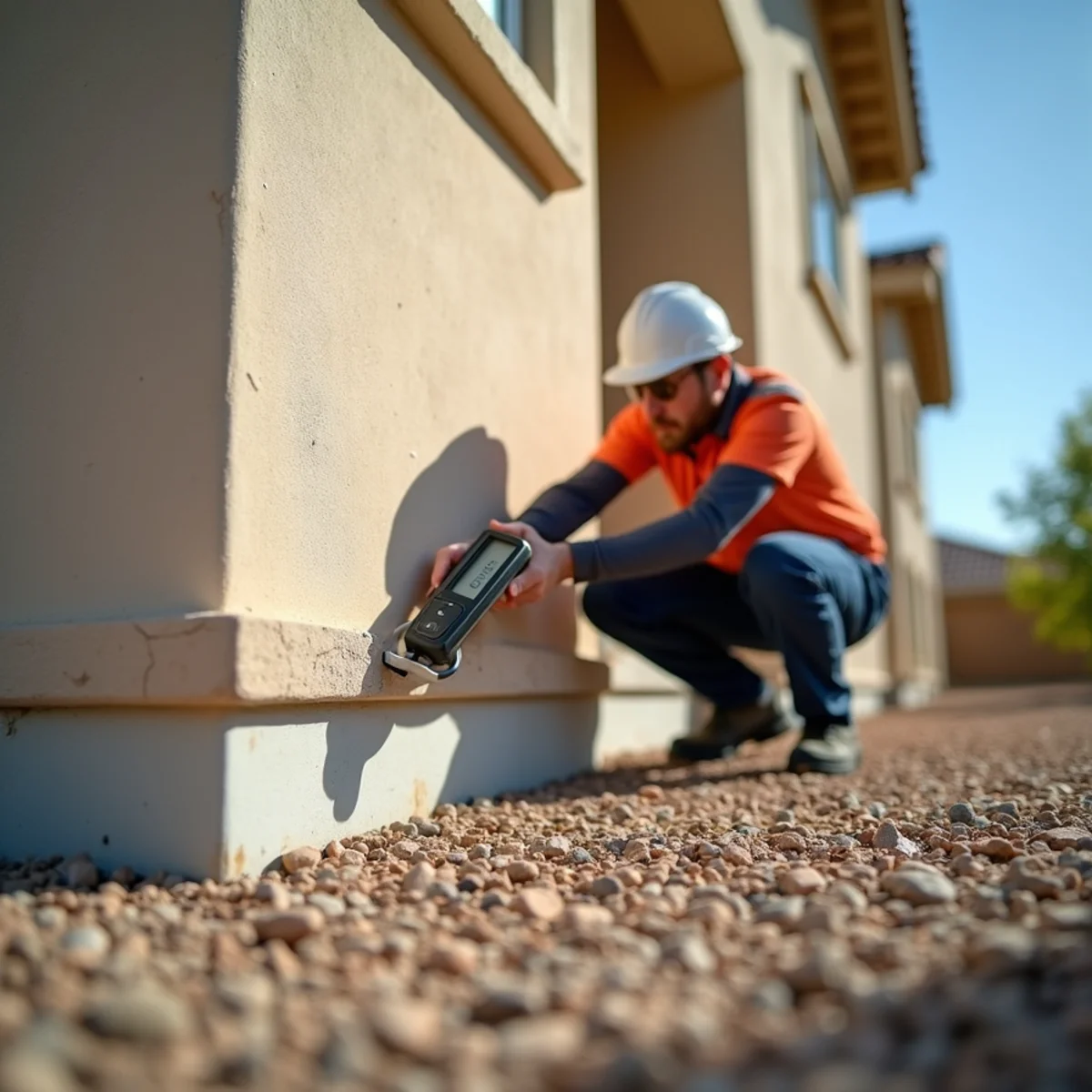
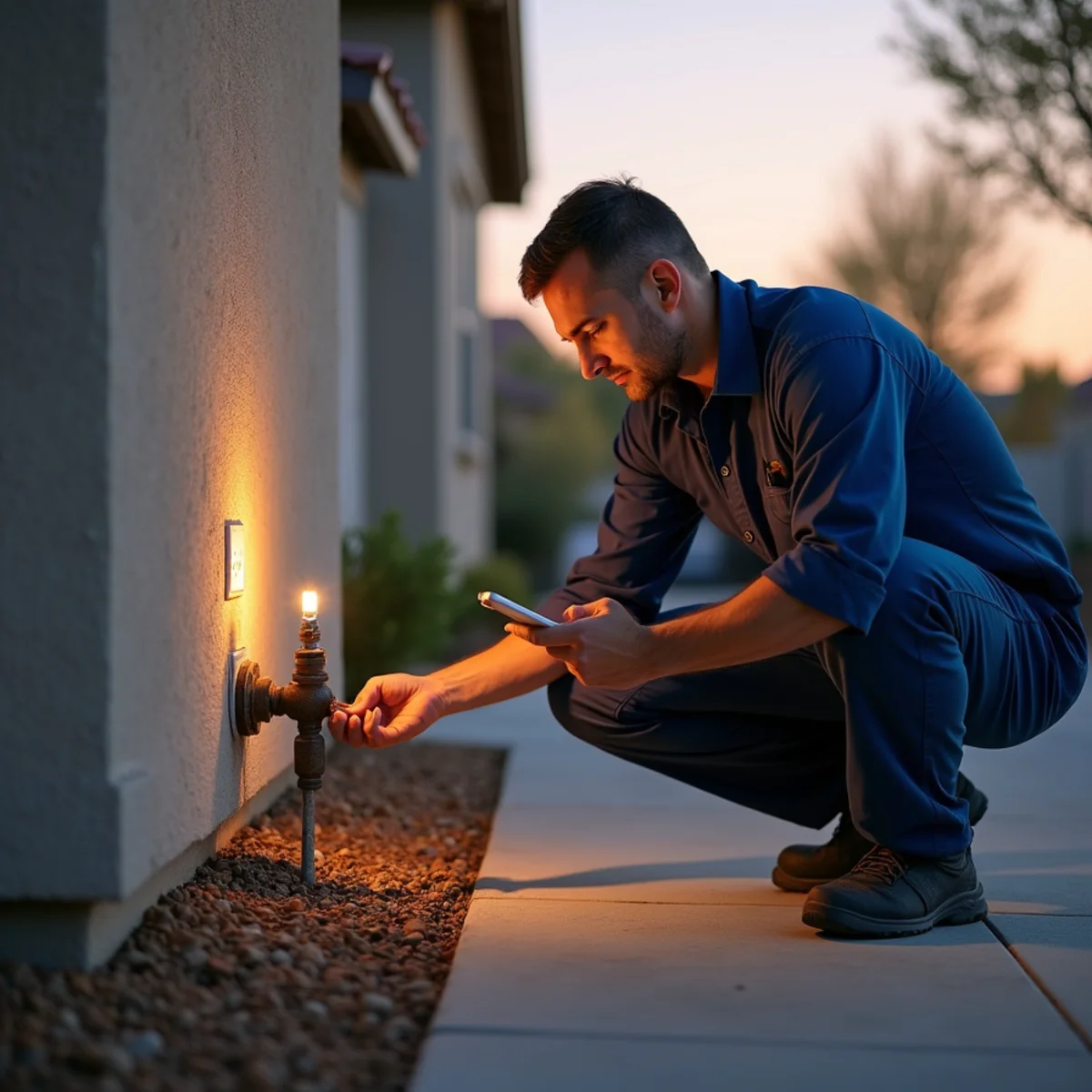
In most Menifee tract homes the main shutoff is in one of two places: a box at the street near the sidewalk, or on the exterior wall on the garage side of the house, usually near the hose bib. Turn it clockwise. If it will not move by hand, a pair of pliers or a meter key will do it — do not skip this because the valve is stiff.
Then deal with electricity. If you can reach the breaker panel without walking through standing water, shut off the circuits feeding the affected rooms. If reaching the panel means stepping in water, stop. Go outside and wait. No amount of flooring is worth that.
The next thirty minutes
Photograph everything before you move anything. Video is better than stills — walk the affected area slowly, narrating what you see. Get the source, the standing water, the affected rooms, and any contents that are wet. Your adjuster will not see the house until the water is gone, and this footage is the only record of what it actually looked like.
Then call. Not your insurance company first — call a restoration company first. Your policy requires you to take reasonable steps to prevent further damage, and starting extraction is precisely that. We document as we go and submit it to your carrier afterward. Calling us first does not hurt your claim; waiting three hours to start extraction can.
While you wait, move what you can lift. Get furniture off wet carpet, or put foil or plastic under the legs — wooden furniture legs bleed stain into carpet within hours and that stain does not come out. Lift curtains and bed skirts off the floor. Get books, paper, and electronics up onto something dry.
What not to do
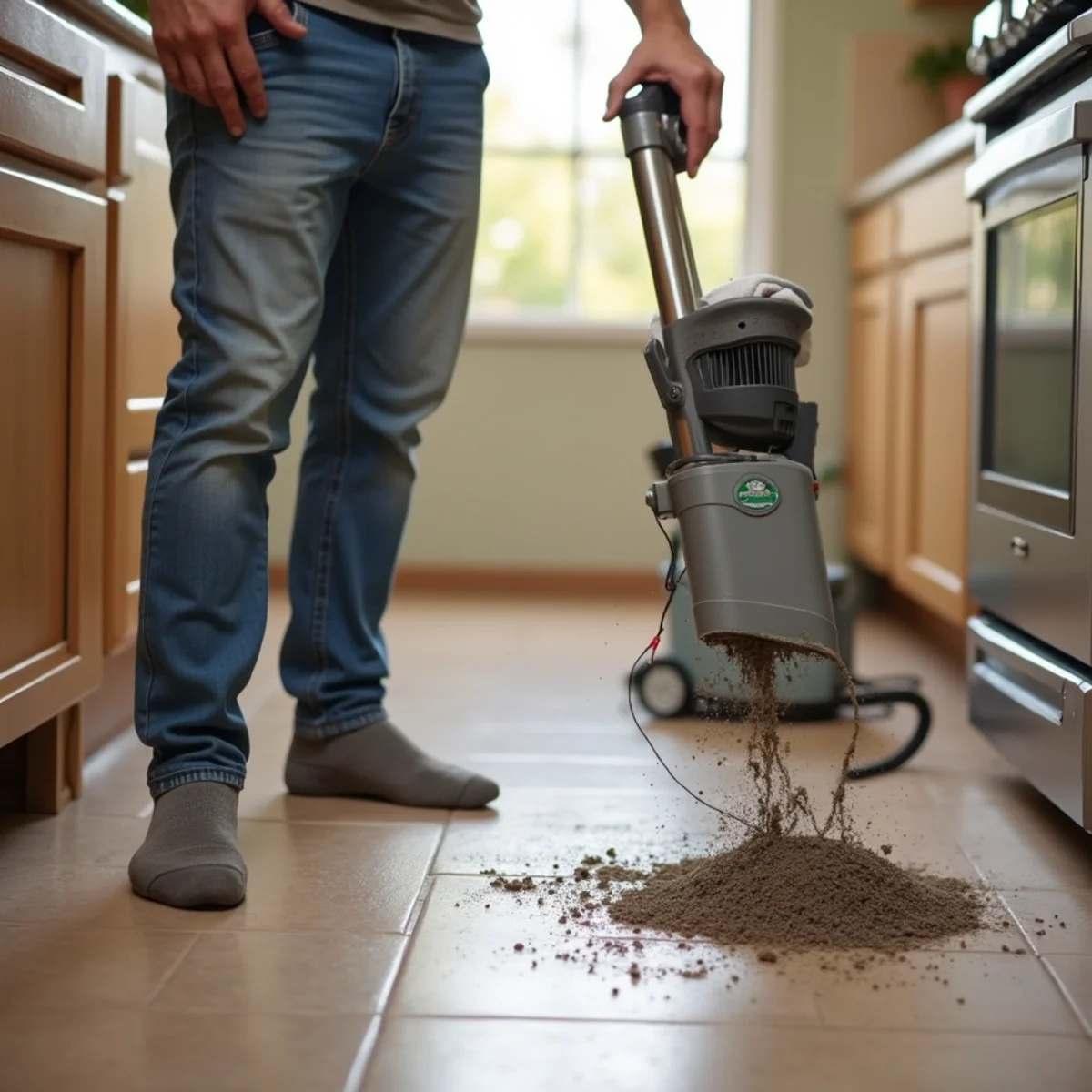
- Do not use a household or shop vacuum on anything that came from a toilet, a drain, or outside. It aerosolizes contaminants and spreads them through the house. Clean water on a hard floor is fine; anything else is not.
- Do not turn on ceiling fans or lights in a room with a wet ceiling. Water travels along framing and reaches fixture boxes. Assume the wiring above a wet ceiling is compromised.
- Do not puncture a sagging ceiling while standing under it. A saturated sheet of drywall holds a startling amount of water and can release it all at once, along with the light fixture.
- Do not throw anything away yet. Damaged contents are part of your claim. Photograph and set aside rather than bagging for the trash.
- Do not just put fans on it and hope. Fans move air. They do not remove water. Without a dehumidifier pulling moisture out, you are relocating it into the rest of the house.
Why the clock matters more in Menifee than most places
The standard advice is that mold can begin on wet material within 24 to 48 hours. In this valley, treat that as the outside edge rather than the target.
The dry outdoor air does not protect the inside of a wall cavity. What matters in an enclosed space is temperature and moisture, and Menifee interiors run warm for most of the year even with the air conditioning on. Warm and wet is exactly the condition mold wants. A wall cavity that got soaked on a Saturday afternoon in July is a different situation by Monday than the same cavity would be in a cooler climate.
There is a second trap specific to our climate. Low outdoor humidity dries surfaces very fast, so a room can look and feel completely dry by the next morning while the pad, the bottom plate, and the slab underneath are still saturated. Homeowners see dry carpet, decide they handled it, and call three weeks later about a smell. That is not carelessness — it is a reasonable inference from what you can see. It is just wrong.
What happens when we arrive
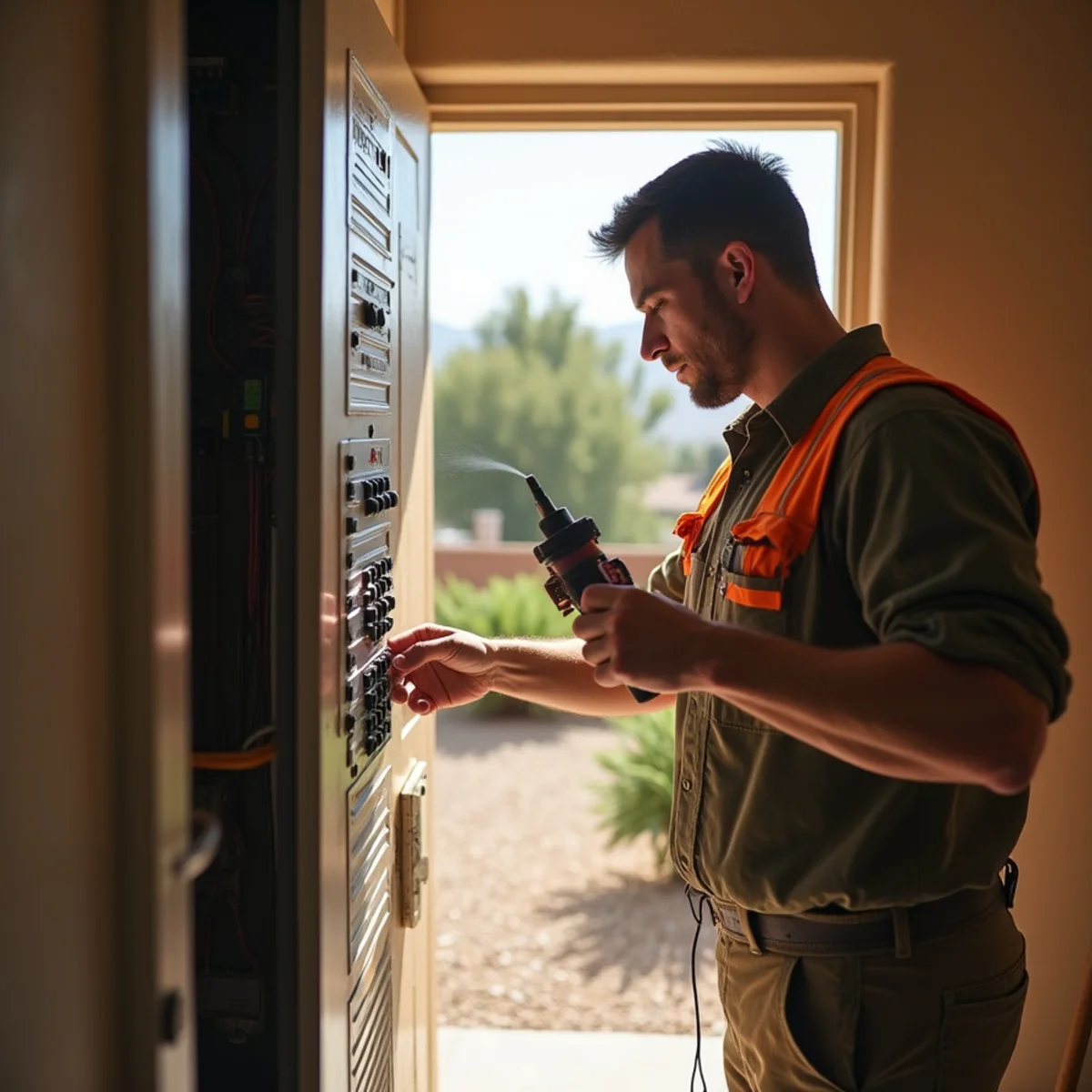
We confirm the water is off and the affected circuits are safe before anyone comes inside.
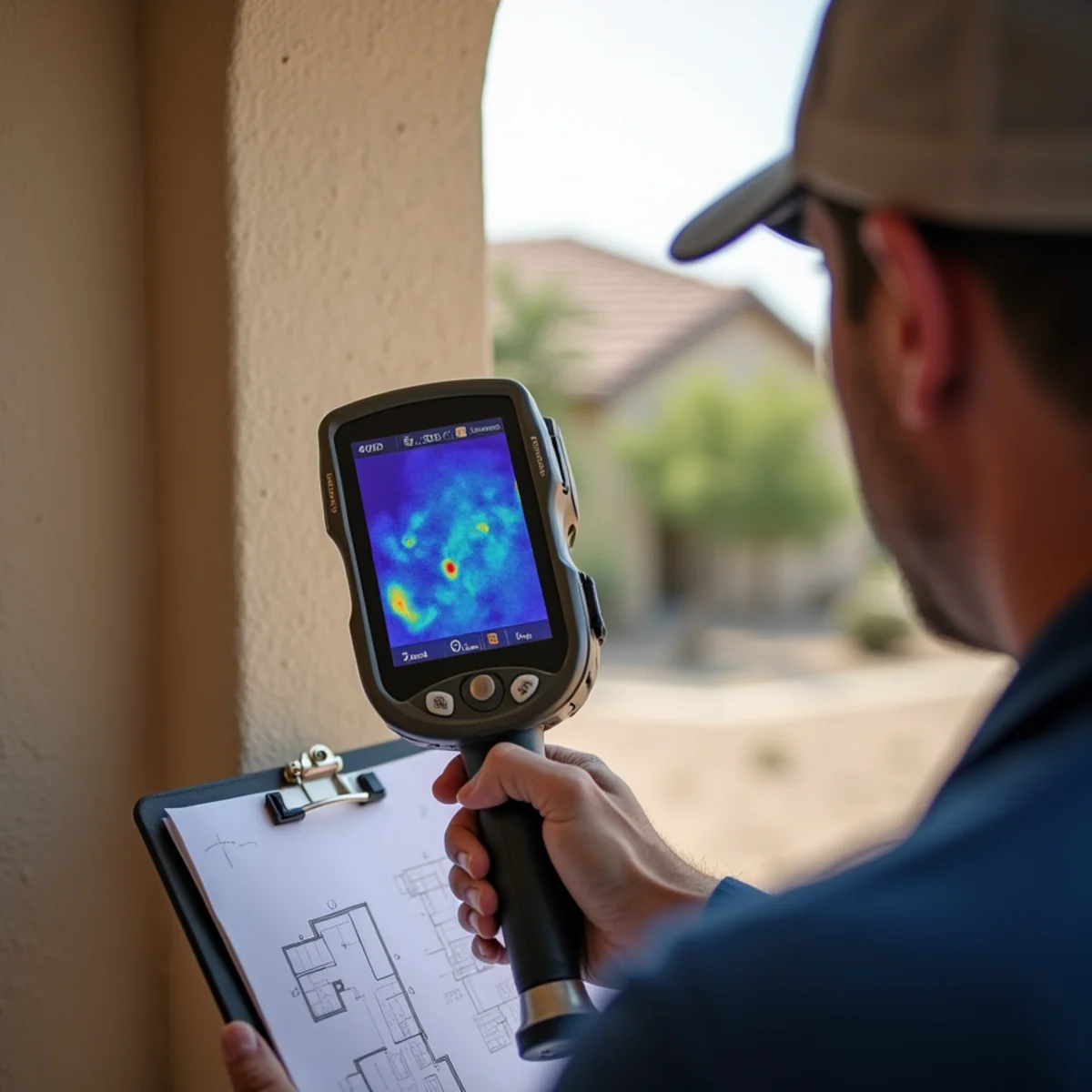
We meter every affected wall, floor, and cavity and shoot the area with a thermal camera. You get a marked-up floor plan of what is actually wet, which is almost always a larger area than what looks wet.
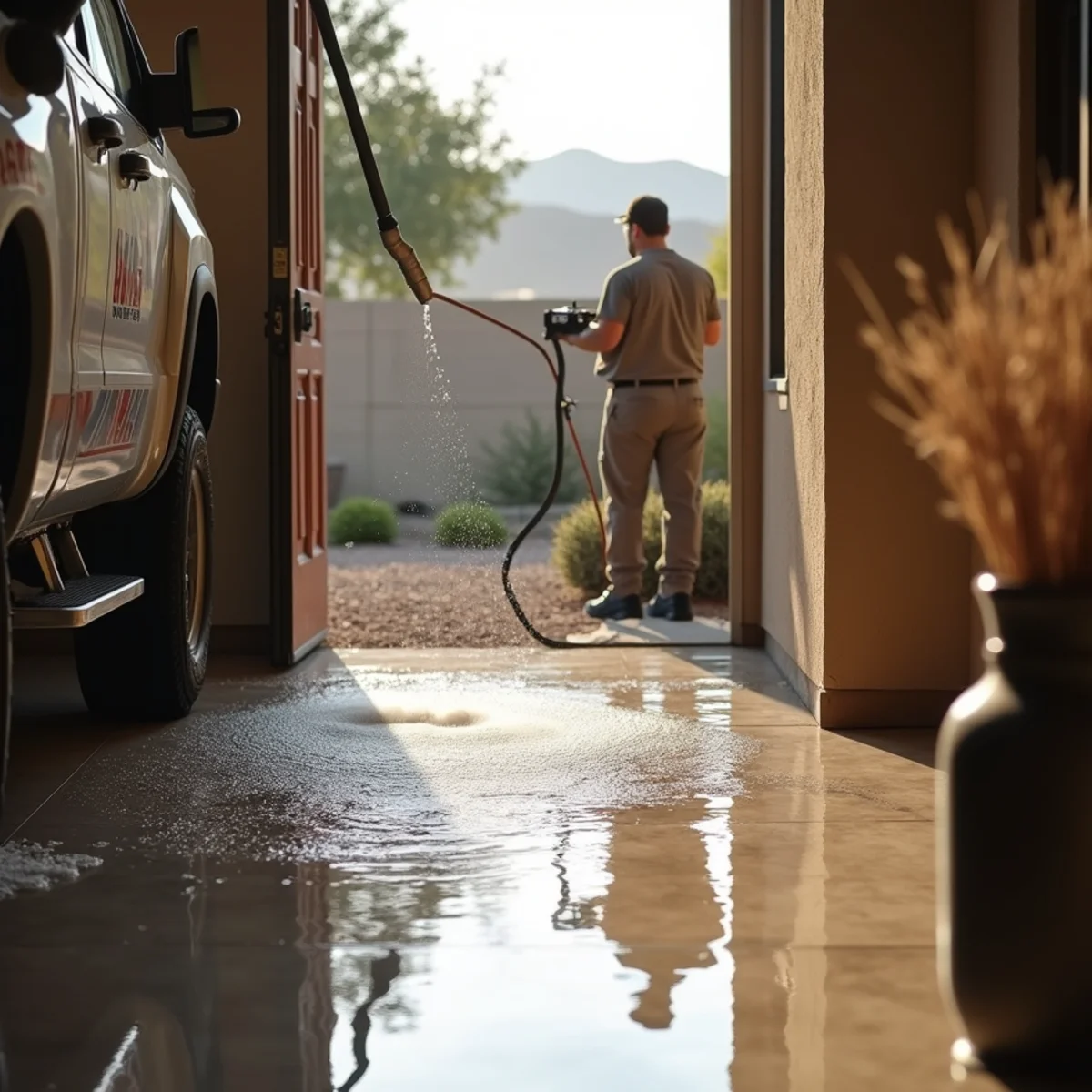
Truck-mounted extraction takes the standing water, then weighted extraction heads pull the water out of the carpet pad. That second step is what saves carpets, and it is the one cut-rate crews skip.
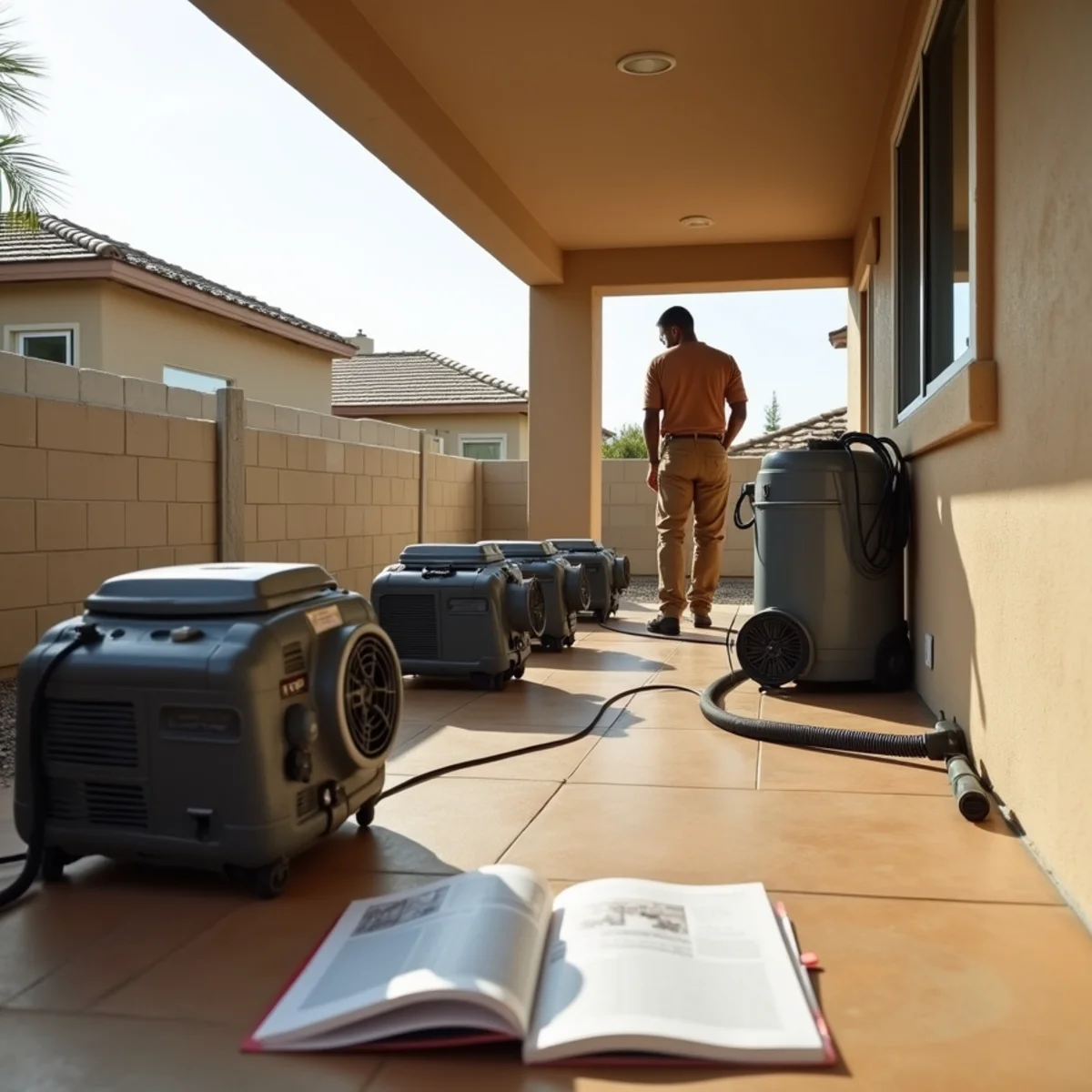
Air movers and dehumidifiers go in against a calculated load, not by eye. We take readings every day and log them.
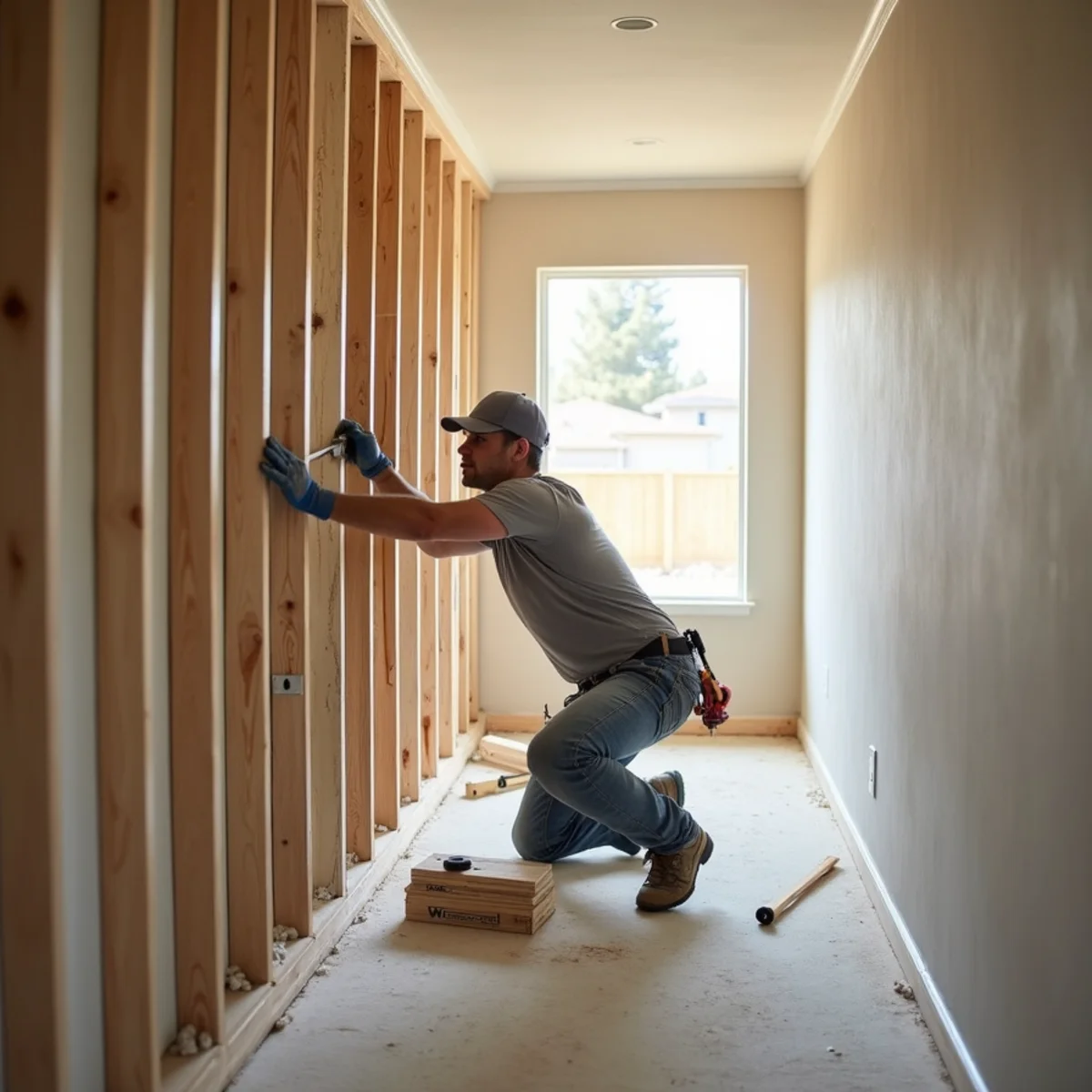
Once the structure meters dry, the rebuild starts — drywall, texture, paint, flooring, and cabinetry.
If you want the detail on any of that, our page on emergency water extraction in Menifee covers the first phase and structural drying and dehumidification covers how we decide when a house is genuinely dry.
One thing to do tomorrow
Once this is under control, find out why it happened. In Menifee the answer is usually predictable from the age of the house: a pinholed copper line under the slab in a 1990s home, a water heater that was never flushed, a washer hose that was original to the laundry room, or an air conditioner condensate line that clogged.
Every one of those is preventable. We will tell you which one you had, and what else in your house is on the same schedule.
What to move, and what to leave exactly where it is
The instinct is to start hauling everything out of the room. Resist most of it. Some of what is sitting in that water is evidence for your claim, and some of it is doing damage to the floor underneath it that will be much cheaper to prove than to argue about later.
Move anything that is both light and absorbent — books, paper, boxes, fabric, pet bedding. Those are lost quickly and they wick water upward into things that were otherwise dry. Get them onto a dry hard surface in another room, not into the garage where they will sit warm and damp until somebody remembers them.
Leave furniture where it is if it is heavy, and instead lift it. Aluminium foil or plastic blocks under the legs stops two of the most expensive and most avoidable secondary problems in a water loss: rust staining from metal glides, and the tannin bleed that comes out of dark wood legs and permanently stains carpet and pad. Both happen within hours, and neither is covered as generously as people expect.
- Move: paper, books, cardboard, textiles, electronics, anything on the floor with a plug
- Lift, do not move: sofas, beds, case goods — foil or blocks under every contact point
- Leave alone: anything structural, anything already collapsed, and the source itself
- Do not move: contents you intend to claim, until they are photographed where they lie
What to photograph, and in what order
Your phone is the cheapest claim-protection tool you own, and the photographs that matter most are the ones taken before anybody starts working. Once extraction begins the scene changes permanently, and no amount of later documentation reconstructs what the room looked like at hour one.
Work outward rather than inward. Start with the source itself — the split line, the failed connector, the ceiling stain — because the cause is what determines whether your claim is a covered sudden event or an excluded maintenance issue. Then the standing water at floor level, then each affected room as a whole, then the specific damaged items in close-up.
- The source, close up and in context, before anything is turned off or cleaned up
- A wide shot of every affected room from the doorway, so the extent is unambiguous
- Floor-level shots showing standing water depth against a skirting board or a shoe
- Close-ups of individual damaged contents, with anything carrying a serial or model number
- The unaffected rooms too — proving what was dry matters when the scope is negotiated
Frequently asked questions
Should I call my insurance company before the restoration company?
Call the restoration company first. Your policy requires you to prevent further damage, and starting extraction is exactly that. We document everything with photos, moisture maps, and daily logs and submit it to your adjuster afterward.
How do I find my water shutoff in a Menifee home?
Two usual locations: a box at the street near the sidewalk, or on the exterior wall on the garage side, generally near a hose bib. Turn clockwise. Find it now, while nothing is wrong, and make sure it actually turns — mineral deposits seize these valves in this water.
Can I save my carpet?
Usually, if the water was clean and we reach it within about 48 hours. The pad almost always gets replaced — it holds several times its weight in water and cannot be dried in place — but the carpet itself is frequently restorable.
Should I move my furniture out of the house myself?
Almost never. Lift it in place rather than relocating it — foil or blocks under the legs stops rust and tannin staining, which are the two secondary damages that happen fastest. Moving heavy contents through a wet house risks injury on slick flooring and it spreads contamination into rooms that were dry. If contents genuinely need to leave, that is part of the scope and it should be documented before it moves.
Do I need to be home the whole time the equipment is running?
No. Most people carry on living in the house or stay elsewhere and meet us for the daily readings. What matters is that the equipment keeps running continuously and that somebody can let us in once a day to take readings and adjust placement. If the property is going to be empty, tell us — it changes how we set up and how we secure it.