Restoration Tips
Clean, Gray, or Black: Water Damage Categories Explained
The category of water decides what can be saved, what has to go, and what the job costs. It is determined by source, not by how the water looks.
The short answer
Category is set by where the water came from, not how it looks. Category 1 is clean supply water. Category 2 is gray water from a dishwasher or washer, carrying bacteria. Category 3 is sewage or storm flooding. The category decides what protective equipment is used and which materials can stay in the house.
When we walk into a water loss, the first thing we determine is the category. Not the square footage, not the cost — the category. Everything downstream depends on it.
And here is the part people get wrong: category is defined by where the water came from, not by how it looks. Perfectly clear water from a toilet that contained waste is Category 3. Muddy-looking water from a broken supply line is Category 1.
Category 1 — clean water
Water from a sanitary source that poses no substantial health risk at the moment it escapes.
- A burst copper supply line — the most common source in Menifee, given the age of the housing stock
- A water heater tank failure
- A sink or bathtub overflow with clean water
- Rainwater entering directly through a roof breach, before it touches contaminated material
- A supply line to a refrigerator ice maker or dishwasher
Most materials are salvageable. Carpet is usually saved, pad usually replaced, drywall usually dried in place. Mitigation runs about $3–$4 per square foot.
Category 2 — gray water
Water containing significant contamination — chemical, biological, or physical — that could cause discomfort or illness on contact or ingestion.
- Washing machine discharge, which carries detergent, dirt, and bacteria from clothing
- Dishwasher overflow, carrying food residue and grease
- Toilet overflow containing urine but no solid waste
- Water from a broken aquarium or a waterbed
- Clean water that has been sitting long enough to degrade
Work requires disinfection and protective equipment. Carpet may be salvageable with proper treatment; pad is removed. Drywall that wicked gray water is usually cut back. Mitigation runs about $4–$6.50 per square foot.
This is the category most Menifee appliance failures fall into, and appliance failures are the leading cause of water damage in this city. Our page on appliance leak water damage covers why hard water makes them so frequent here.
Category 3 — black water
Grossly contaminated water containing pathogens, toxins, or other harmful agents. This is a health hazard, not a cleaning problem.
- Sewage backup from a main line blockage or a failing septic system
- Toilet overflow containing solid waste
- Storm and surface flooding, which has crossed soil, streets, and whatever they carried
- Rising groundwater
- Any Category 2 water that has been standing long enough to support serious microbial growth
Every porous material the water touched comes out: carpet, pad, drywall, insulation, particle board, upholstered furniture. None of it can be reliably disinfected in place. Work requires containment, negative air pressure, HEPA filtration, full PPE, and regulated disposal. Mitigation runs $7 per square foot and up.
In Menifee, Category 3 arrives two ways: sewer backups — more common in the older lines of Quail Valley and Homeland where root intrusion and decades of mineral scale narrow the pipe — and monsoon flooding, which is Category 3 by definition because it has crossed the ground. Both are covered in detail on our sewage cleanup and flood damage restoration pages.
Why the distinction costs or saves you money
| Category 1 | Category 2 | Category 3 | |
|---|---|---|---|
| Carpet | Usually saved | Sometimes saved | Always removed |
| Carpet pad | Usually replaced | Always replaced | Always removed |
| Drywall | Dried in place | Often cut back | Cut back well above the line |
| Containment needed | No | Sometimes | Always |
| Mitigation per sq ft | $3 – $4 | $4 – $6.50 | $7 – $7.50+ |
The three mistakes that upgrade your category
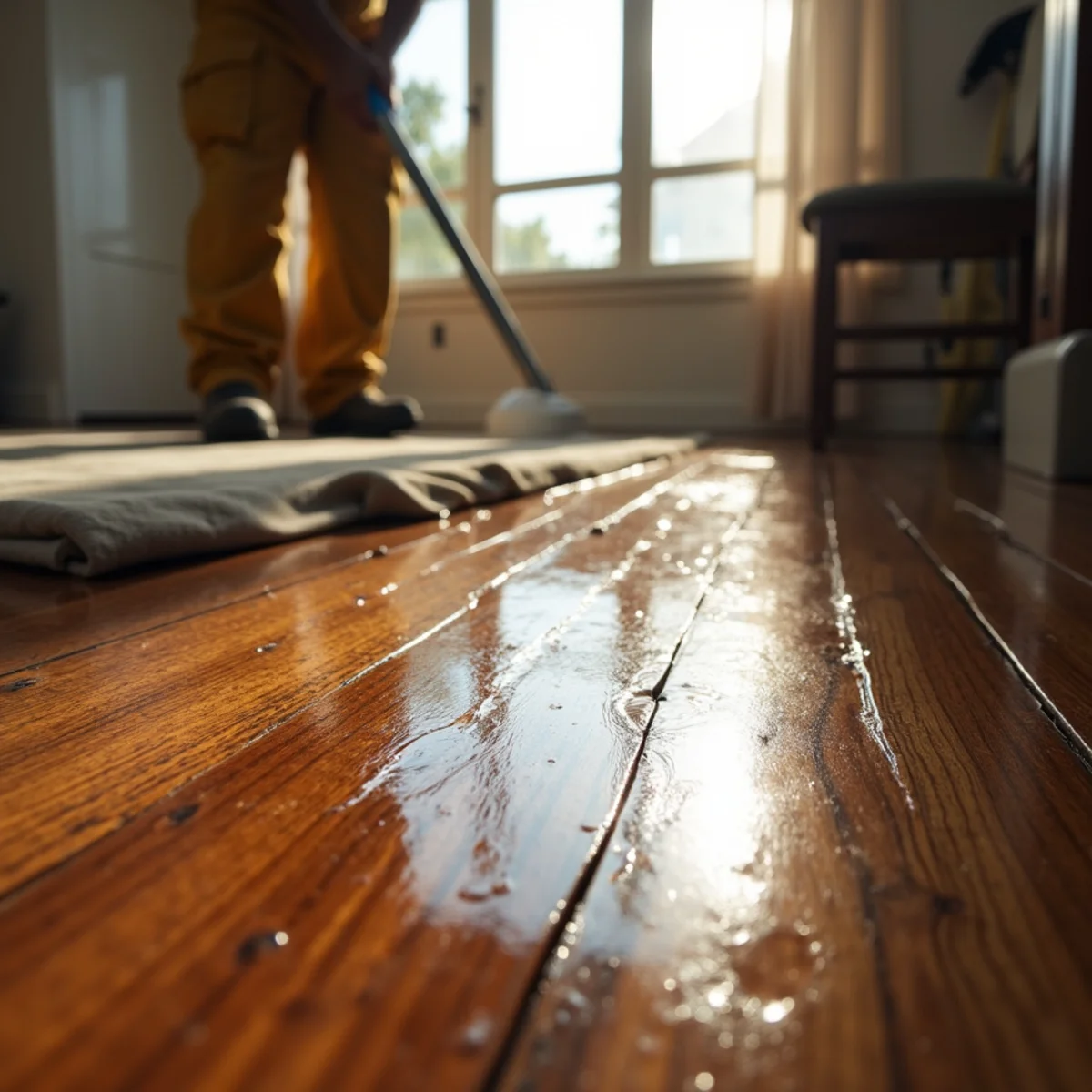
Waiting. Clean water becomes gray in about two days. Gray becomes black. Every day you wait moves you toward a more expensive protocol and a shorter list of things that can be saved.
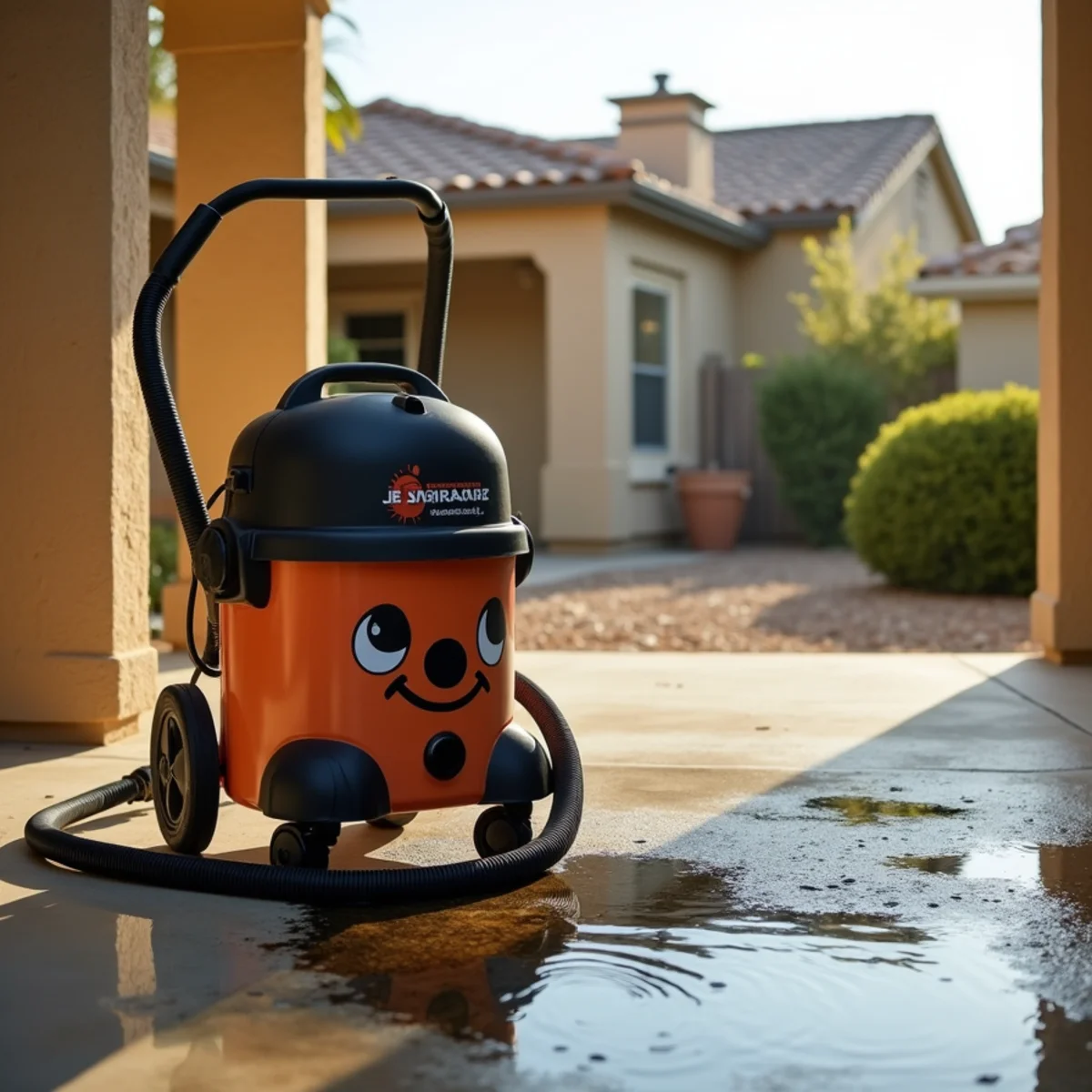
Running a shop vac on contaminated water. Household and shop vacuums exhaust air through the motor and aerosolize whatever they pick up, distributing it through the house. On Category 3, that turns a contained problem into a whole-house one.
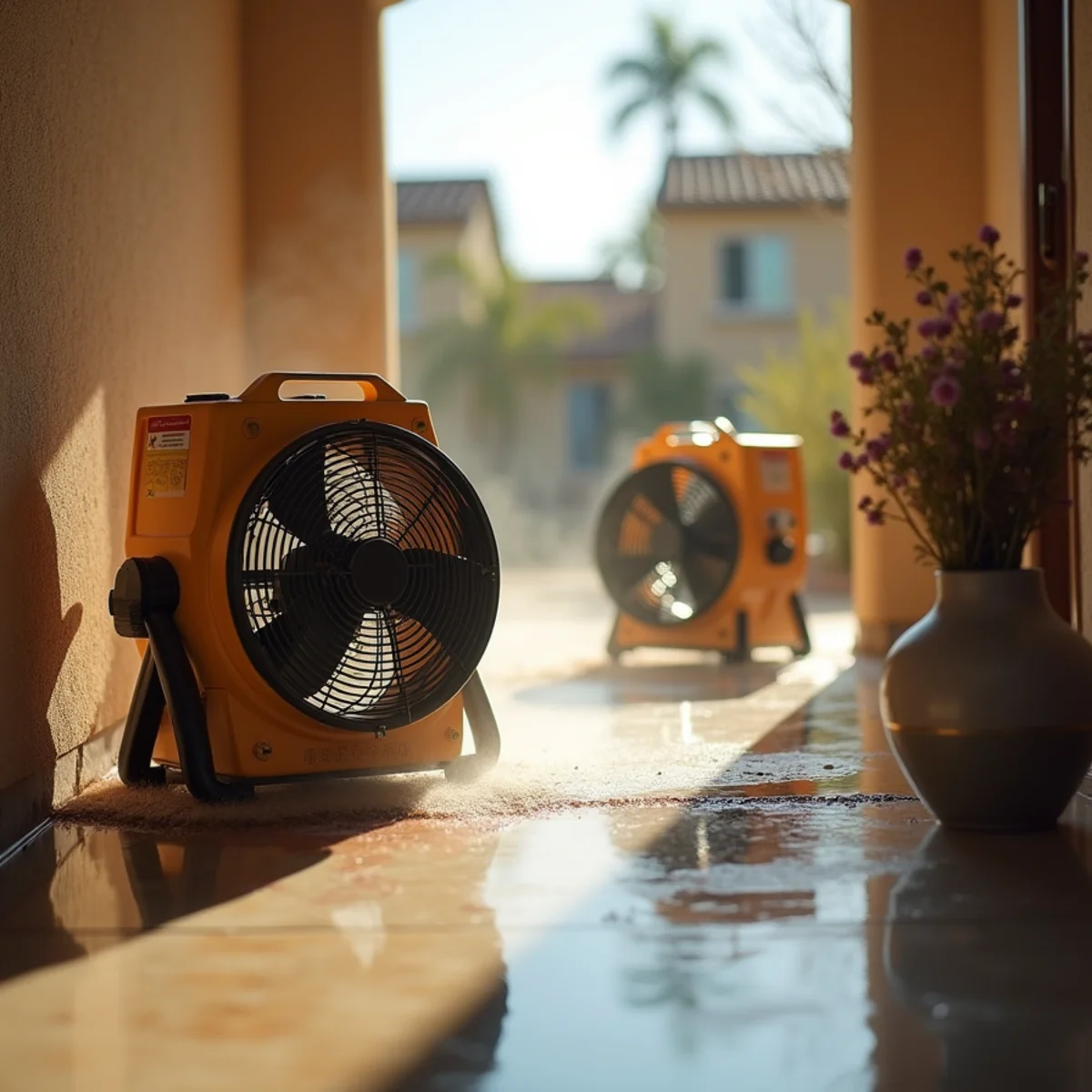
Putting fans on a Category 2 or 3 loss. Air movers on contaminated water blow pathogens and spores into clean areas. On these losses, containment goes up before any air movement starts.
What to do while you wait
If you are not sure what category you have, treat it as the worse one. Keep people and pets out of the area. Do not run fans. Do not vacuum. Photograph everything, and tell us on the phone exactly where the water came from — that single piece of information determines what equipment we load.
Class is the other number on your estimate
Category tells you how contaminated the water is. Class tells you how much of the structure it got into, and it is the number that actually drives how long the equipment stays and what the drying costs. Two jobs can both be category 1 clean water and differ by a week because they are different classes.
| Class | What it describes | Practical effect |
|---|---|---|
| Class 1 | Least absorption — a small area, low-porosity materials, minimal wet carpet or drywall | Fastest. Often a two to three day dry-out with modest equipment. |
| Class 2 | An entire room affected, carpet and pad wet, moisture wicked up walls under two feet | The common Menifee tract-home scenario. Three to five days typical. |
| Class 3 | Water came from overhead — ceilings, walls, insulation and subfloor all saturated | Longest and most equipment-heavy. Insulation usually cannot be dried in place. |
| Class 4 | Deeply held moisture in low-evaporation materials — hardwood, plaster, concrete, stone | Specialty drying. Slab-on-grade slab leaks frequently land here. |
This matters in Menifee specifically because slab-on-grade construction pushes a lot of otherwise ordinary losses into class 4 territory. Concrete releases moisture slowly, and a slab that has been absorbing a pinhole leak for six weeks does not dry on the same schedule as a wet carpet, no matter how clean the water was.
Category is not fixed — it escalates while you wait
The single most expensive misunderstanding about categories is that they are a property of the water. They are not. They are a property of the water at the moment it is assessed, and clean water degrades.
A supply line that fails at midnight is category 1. Left sitting in a warm, closed-up Menifee house through the following day, in contact with flooring adhesive, drywall paper and whatever was on the floor, the same water is realistically category 2 by the next evening. Given several days it reaches category 3, at which point materials that could have been dried and kept now have to be removed and replaced.
That escalation is the actual reason the response-time conversation matters, and it is more concrete than any general urgency claim. The cost difference between drying a carpet and pad in place and replacing flooring, pad and the lower portion of the drywall is not marginal.
Frequently asked questions
The water looks clean. Is it Category 1?
Not necessarily — category is set by source, not appearance. Water from a toilet that contained waste is Category 3 even if it looks perfectly clear. Water from a broken supply line is Category 1 even if it picked up dirt crossing the floor.
How quickly does clean water become gray?
Roughly 48 hours, and in Menifee's warm interiors that is the fast end of the range rather than the slow one. Contact with flooring, dust, and building materials plus time is all it takes.
Can Category 3 carpet be cleaned instead of replaced?
No. Carpet and pad are porous and cannot be reliably disinfected once they have absorbed Category 3 water. Any company offering to clean and save them is taking a risk with your household's health that no responsible restorer would take.
Who decides the category — me, the adjuster, or the contractor?
The restoration contractor assesses it on site, using the source, the elapsed time, the materials involved and where appropriate a reading. It is documented in the scope and the adjuster reviews it. If there is a disagreement it is normally resolved with the photographs and readings taken at the first inspection, which is one of several reasons that documentation happens before anything is touched.
Can category 3 water ever be dried in place?
Structural materials can often be cleaned, treated and dried — framing, subfloor and concrete in many cases. Porous materials that absorbed the contamination generally cannot: carpet pad, insulation, particle board and the lower section of drywall come out. The judgement is made material by material rather than room by room, and that is exactly what the AMRT certification covers.