Restoration Tips
What Water Damage Restoration Actually Costs in Menifee, CA
Most restoration companies will not put a number on their website. Here are the actual figures, what moves them, and how to read an estimate.

The short answer
Mitigation runs about $3 to $4 per square foot for clean water, $4 to $6.50 for gray, and $7 or more for Category 3 sewage. Repair and rebuild adds roughly $20 to $37 per square foot. Nationally the average claim is near $3,860, with most jobs between $1,400 and $6,400.
Every restoration company in this valley will tell you they cannot quote a job sight unseen. That is true. It is also, very often, a way of avoiding the question entirely.
So here are the numbers. Not a quote for your house — nobody can give you that over the internet — but the actual ranges the industry works in, and what pushes a job to one end or the other. If you can read an estimate and understand where the money goes, you are much harder to overcharge.
The two halves of the bill
Water damage work splits into two phases that are priced completely differently, and conflating them is the single biggest source of confusion.
Mitigation is the emergency work: extraction, drying, dehumidification, antimicrobial treatment, and any demolition needed to reach wet material. Reconstruction is putting the house back: drywall, texture, paint, flooring, baseboard, cabinetry.
Mitigation is the cheaper half by a wide margin. Reconstruction is where most of the money goes, which surprises people who assume drying equipment is the expensive part.
Mitigation pricing by water category
| Water category | Typical examples | Cost per sq ft | Why |
|---|---|---|---|
| Category 1 — clean | Burst supply line, water heater failure, sink overflow | $3 – $4 | Extraction and drying only; most materials are salvageable |
| Category 2 — gray | Dishwasher or washing machine discharge, shower overflow | $4 – $6.50 | Adds disinfection and PPE; some porous material removed |
| Category 3 — black | Sewage backup, toilet overflow with waste, storm flooding | $7 – $7.50+ | Containment, negative air, full PPE, and regulated disposal of all porous material |
Category is not a judgement call about how dirty the water looks. It is defined by where the water came from, and it drives everything else. We break the distinctions down in understanding water damage categories.
Reconstruction pricing
Rebuild typically runs $20 to $37 per square foot of affected area, and the spread inside that range is almost entirely about finish level. Builder-grade carpet and laminate sit at the bottom. Porcelain tile, engineered hardwood, and custom cabinetry sit at the top.
That is why two jobs with identical drying scopes can differ by thousands. A Heritage Lake home with hardwood and upgraded cabinetry costs substantially more to put back than a Sun City home with carpet and builder-grade finishes, even if the same volume of water was involved.
Where the whole thing usually lands
National figures put the average water damage claim at roughly $3,860, with most jobs falling between about $1,400 and $6,400. Menifee sits comfortably inside that band. A contained appliance leak caught the same day lands near the bottom. A slab leak that ran for six weeks under a kitchen, with cabinet replacement and mold remediation, lands well above the top.
The five things that actually move your number
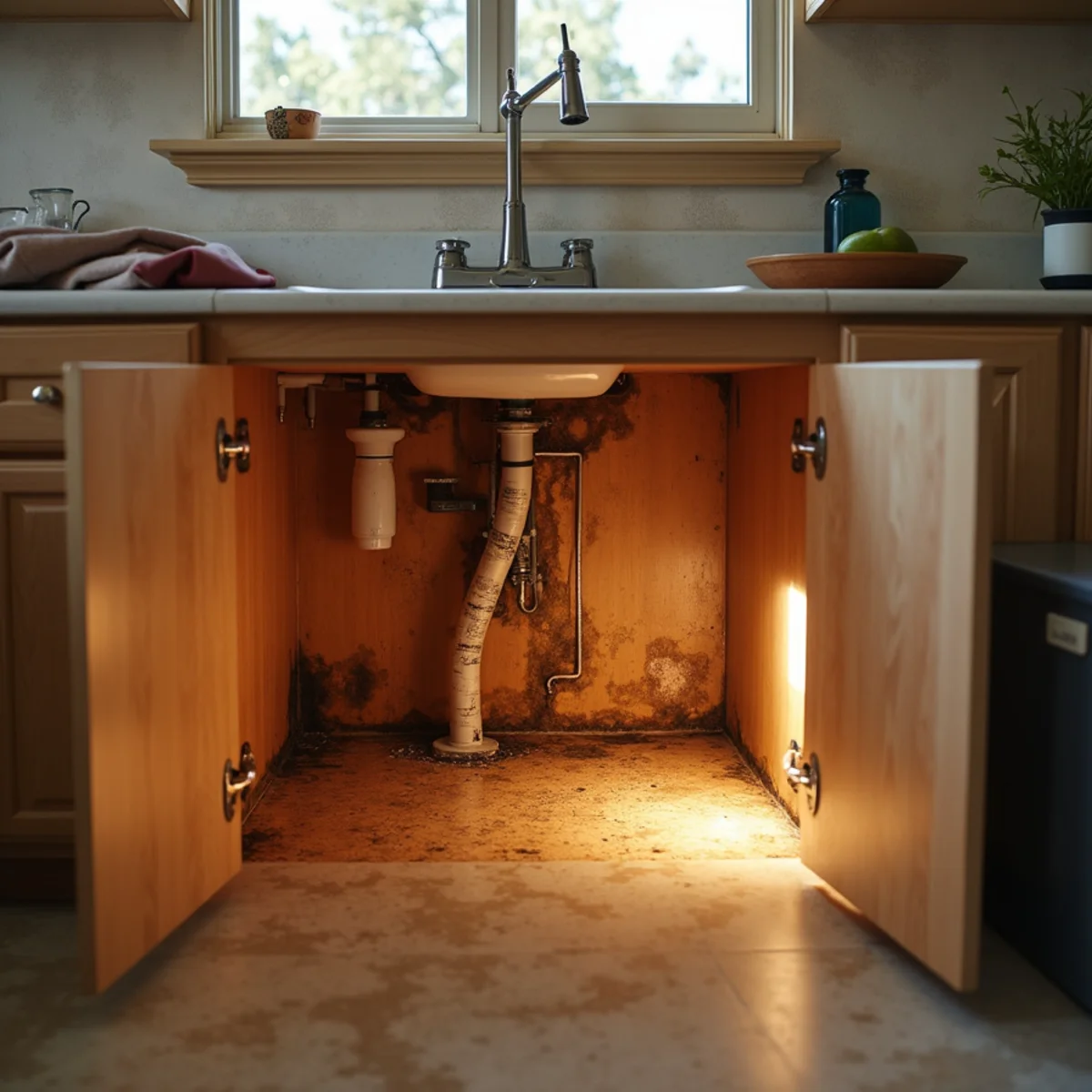
How long it ran. This dominates everything else. Water found in an hour is a drying job. The same leak found in a month is demolition, mold remediation, and cabinetry. Nothing else on this list has as much leverage.
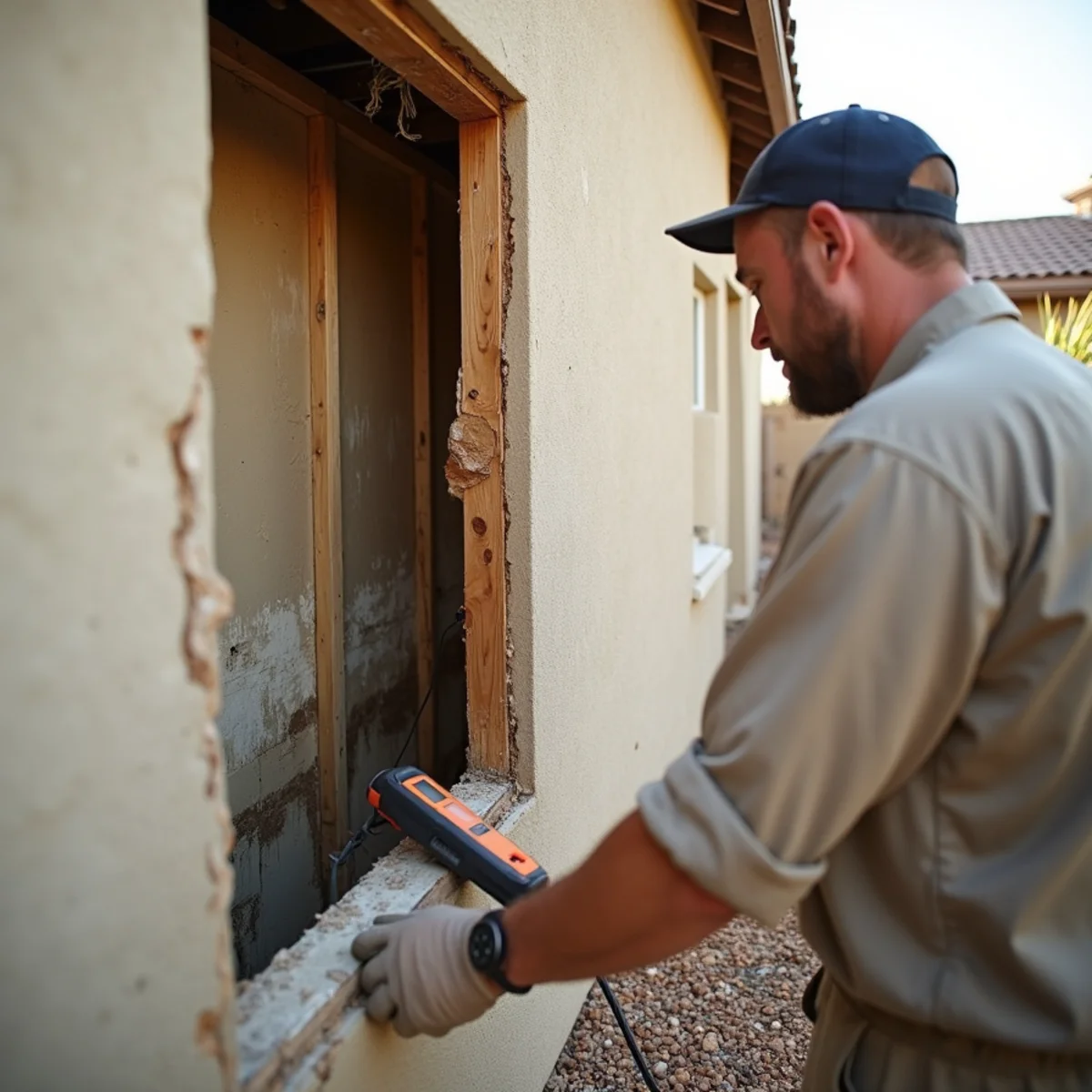
What it got into, not how much there was. A hundred gallons on tile is easier than twenty gallons that reached two wall cavities and a stair stringer. Square footage is a poor proxy for cost; affected assemblies is the real measure.
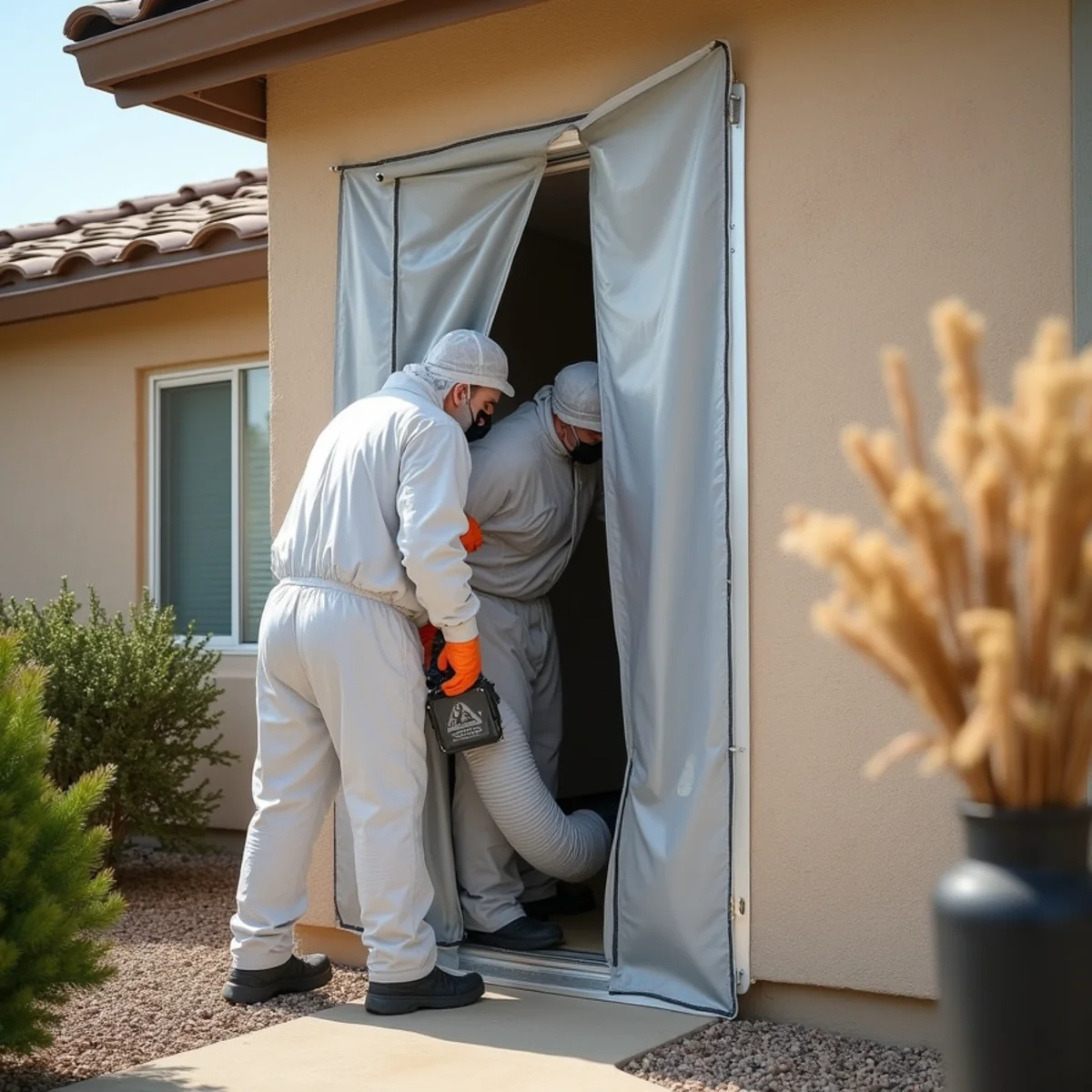
Water category. Clean to gray roughly doubles the mitigation rate. Gray to Category 3 doubles it again, mostly through disposal and containment.
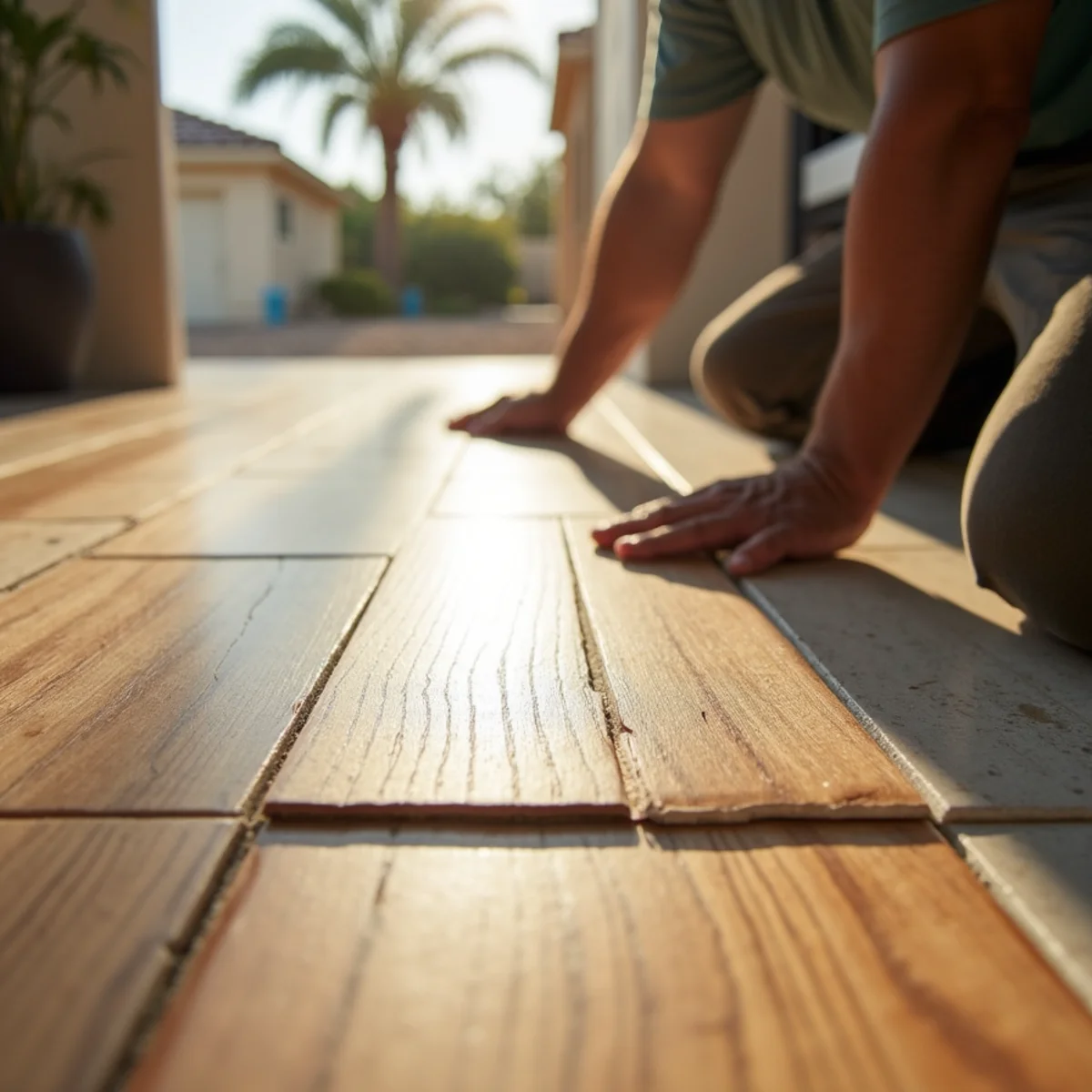
Your finish level. The rebuild is priced to return the property to pre-loss condition, so what you had is what you get — and what you had determines the number.
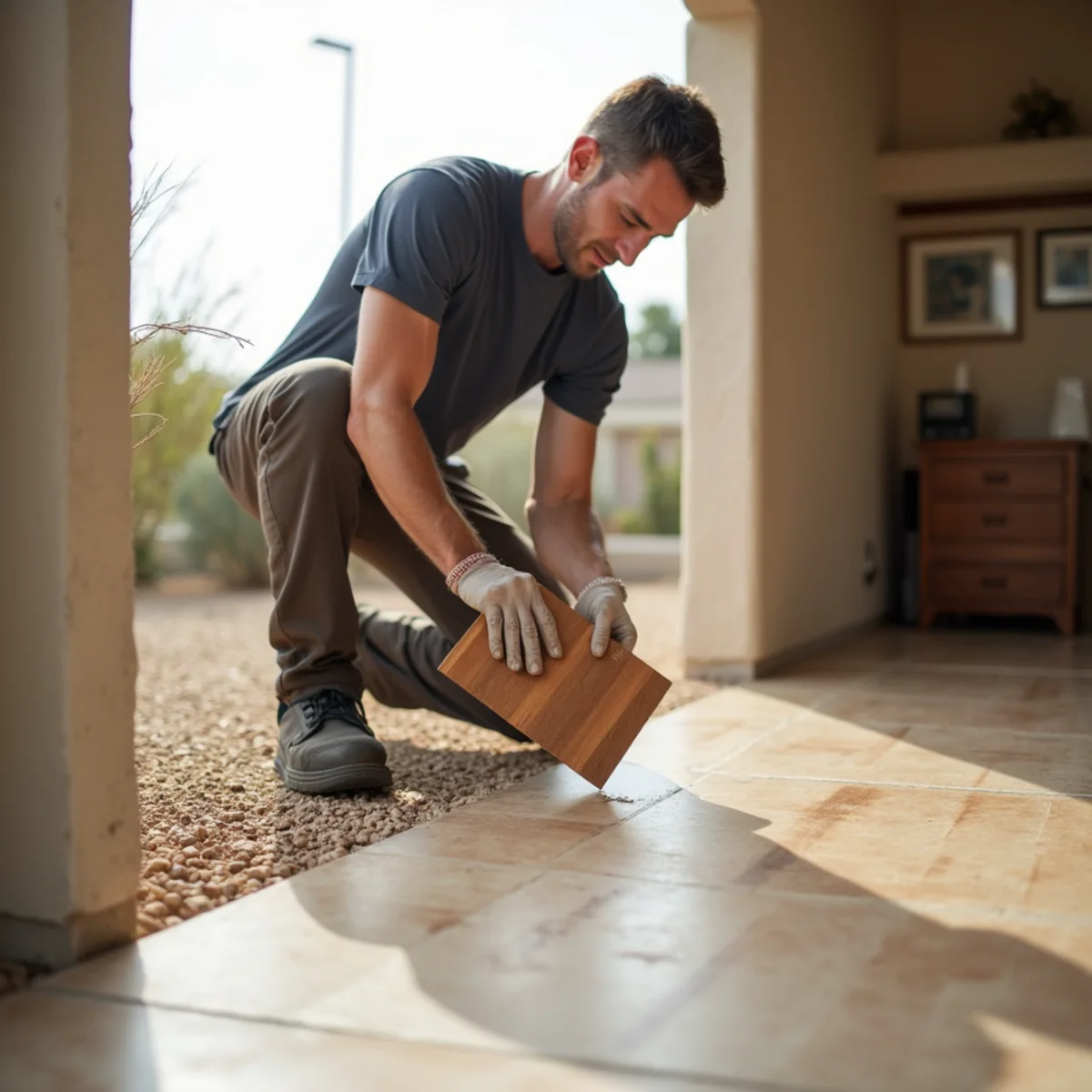
Whether materials can be matched. Discontinued flooring is a real cost driver. Sometimes the honest answer is replacing to a natural transition line rather than patching, and carriers frequently cover that when a genuine match no longer exists.
What insurance actually pays
In a covered claim you are generally responsible for your deductible and nothing else, assuming the scope is documented properly and you are not underinsured. We bill the carrier directly.
The friction is rarely about the price of drying. It is about coverage, and specifically about whether the loss was sudden and accidental or gradual. A water heater that let go on Tuesday is covered. A supply fitting that had been weeping behind a wall since spring generally is not, and neither is the mold that grew because of it. That distinction is worth understanding before you file — see does homeowners insurance cover water damage in Menifee.
How to read an estimate you have been handed
- Is mitigation separated from reconstruction? They should be distinct sections with distinct pricing.
- Is the equipment listed by unit and by day? Air movers and dehumidifiers are billed that way, and a lump sum hides whether the space was properly equipped.
- Does it specify the affected area in square feet? A price without a quantity is not an estimate.
- Are the rebuild materials specified, or is it "flooring — allowance"? Allowances are where surprises live.
- Is there a line for antimicrobial treatment on a Category 2 or 3 loss? There must be.
The cheapest job is the one you prevent
The most expensive losses we work in Menifee were all small once. A water heater nobody flushed. A washer hose that was original to a 1994 laundry room. An air conditioner condensate line that had never been cleared.
Annual water heater maintenance costs an afternoon. Braided hoses cost thirty dollars. Clearing a condensate line costs a cup of vinegar. Against a $4,000 median claim, those are extraordinary returns — and in this water, they matter more here than in most of the country.
Why the first estimate is rarely the final number
This surprises people more than the price itself. The initial estimate is written from what can be measured on day one, and a meaningful proportion of water damage is not visible on day one. When drying opens a wall and finds wet sheathing behind it, or a second room reads wet that did not read wet at the first inspection, the scope changes and the estimate has to change with it.
The mechanism for that is a supplement — an additional scope submitted to your carrier during the job, supported by the readings and photographs that justify it. Supplements are routine and they are not a sign that something has gone wrong. What matters is who files them and how they are evidenced.
The question worth asking any contractor is what triggers a change to your number. The right answer is a documented reading or photograph, submitted to your carrier, and shown to you. A contractor who says the price may go up but cannot describe the mechanism is describing a blank cheque.
The deductible, and what happens if the job comes in under it
Your deductible is subtracted from what the carrier pays, not from what the work costs. If your deductible is two thousand dollars and the approved scope is six thousand, the carrier pays four and you pay two. That much most people know.
What catches people out is the small loss. If the whole job comes to eighteen hundred dollars against a two thousand dollar deductible, your carrier pays nothing and you have still notified them of a water claim. Whether that notification matters depends on your carrier and your history, but it is worth knowing before you file rather than after.
For that reason we will tell you, before anything is filed, when we think the job is likely to land near or under your deductible. That is a conversation about your interests rather than ours, and it is the reason the inspection is free and comes with a written number attached.
Frequently asked questions
Why will nobody quote water damage over the phone?
Because the cost is driven by what the water got into, and that cannot be determined without moisture meters and a thermal camera. Anyone quoting a firm price over the phone is either guessing or planning to revise it once they arrive.
Is the emergency call-out free?
Our inspection and written estimate are free. If we perform emergency mitigation, that work is billed — normally to your carrier — and any after-hours rate is disclosed on the phone before we dispatch, not on the invoice afterward.
Will my insurance rate go up if I file?
It can, and multiple water claims in a short period particularly affect renewal. Weigh that against the cost of paying out of pocket, and remember that unrepaired water damage becomes a disclosure issue and a mold problem later. For small, clean-water losses well under your deductible, filing may not be worth it.
Can I take the insurance payout and skip the repairs?
For the mitigation work, no — that has already been performed and is billed against it. For the reconstruction portion, policies vary, and many pay replacement cost only once the work is actually done, releasing the depreciation held back as recoverable only on proof of completion. Skipping the repairs usually means keeping the depreciated amount rather than the full one, and it can create a disclosure problem when you sell. Ask your adjuster specifically how your policy handles recoverable depreciation before deciding.
Why is drying billed per day rather than as one price?
Because it genuinely varies by structure, and quoting a flat drying price means either overcharging the fast jobs or losing money on the slow ones. Equipment is billed per unit per day, which is why the equipment count matters and why it should be listed on your estimate. It is also why pulling equipment early is financially tempting for a contractor and why our moisture logs exist — you can see exactly what each day of drying achieved.