
Water spreading right now? We answer 24/7 — 30-minute average response across Menifee.

Call (201) 277-9344
Water Damage Menifee Restoration Services logo
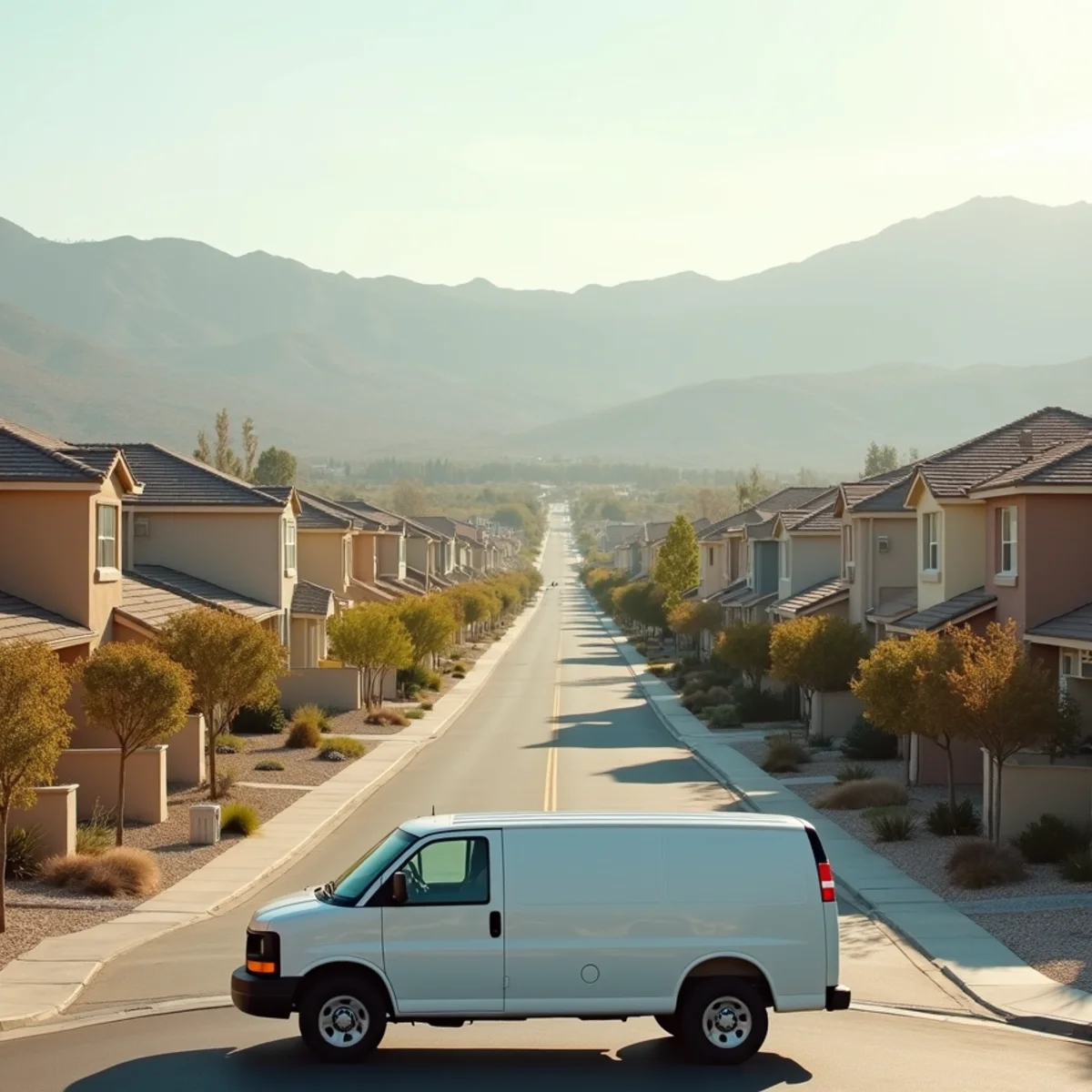
Water damage restoration van on a residential street in Menifee, CA

Service areas

Where We Provide Water Damage Restoration

We are based on Palomar Road in Menifee, and the list below is ordered by how fast we can actually reach you. Menifee and its neighboring cities are our core — most of it inside 30 minutes. Beyond that, coverage is real but slower, and every page says so rather than implying otherwise.

If water is actively spreading and you are outside our core area, call the nearest available qualified crew as well as us. Speed matters more than which company arrives — we will tell you honestly when that is not us.

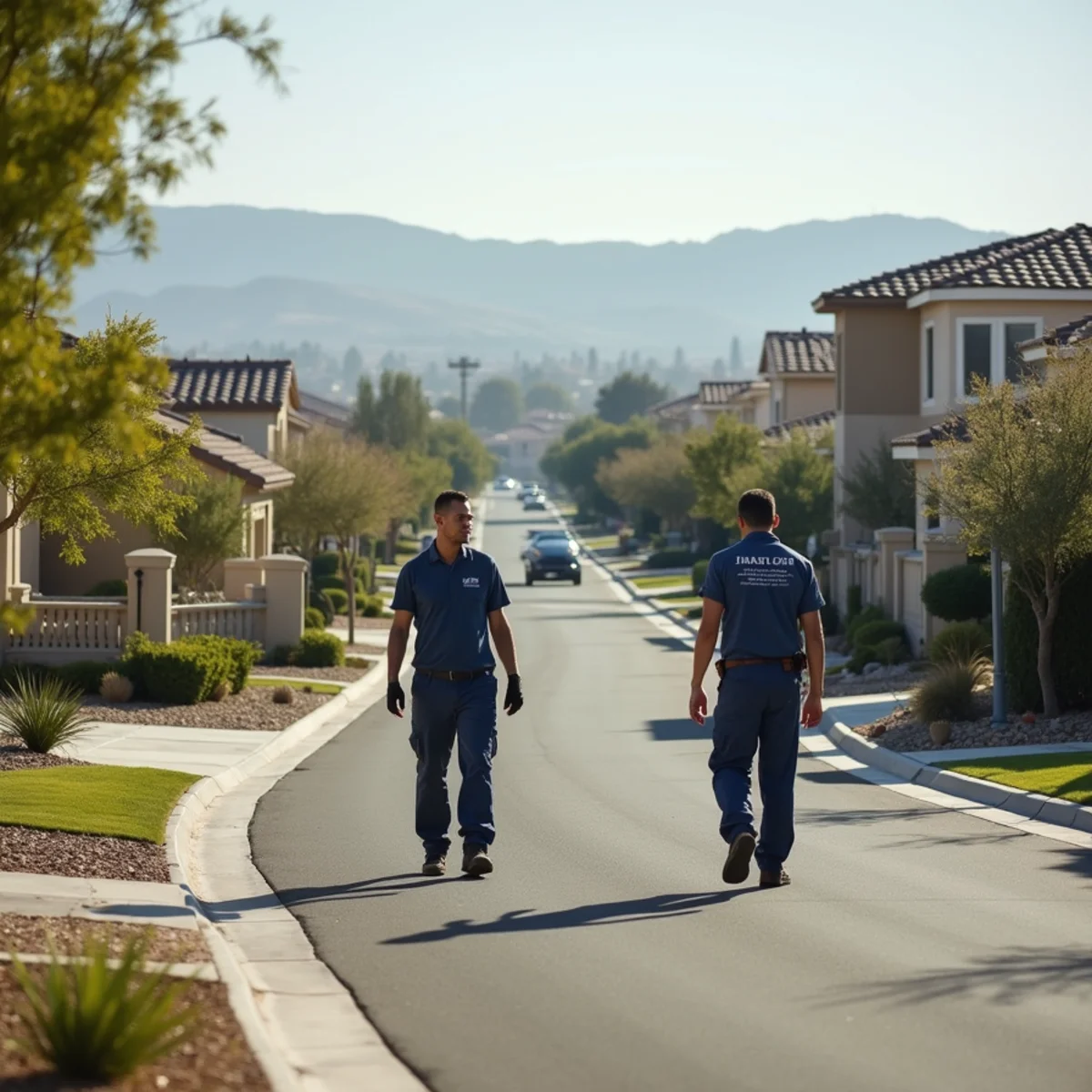
Master-planned tract homes in a Menifee, CA neighborhood we serve
Menifee's master-planned tracts — the housing we work in every day.
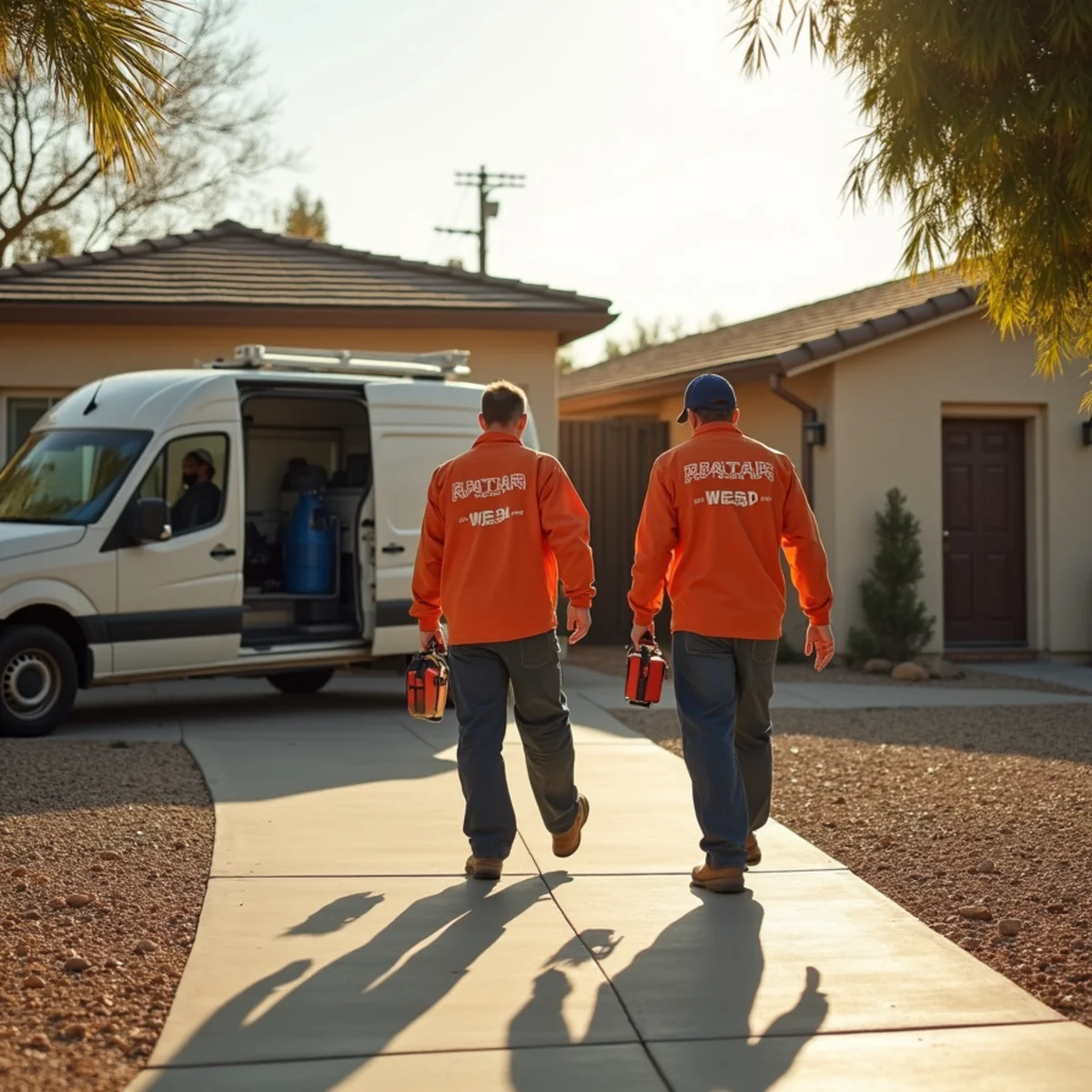
Restoration crew arriving on site at a home in Riverside County, CA
Response times below are honest drive-time bands, not marketing numbers.

4 areas

Adjacent Cities

The cities that share our water district, our climate, and our construction era. We work these as routinely as Menifee itself.

Adjacent Cities

Our base

Everything is measured from Palomar Road

A crew staged in Temecula or Riverside is fighting freeway traffic before it reaches you. We stage in the 92585, which puts most of Menifee inside a half-hour without touching the 215 at all — and on monsoon nights, knowing which surface streets are still passable is the difference between arriving in 25 minutes and arriving in an hour.

That matters more here than in a cooler climate. Menifee interiors stay warm, and warm plus wet is exactly the condition mold needs. The 24-to-48-hour window everyone quotes is the outside edge, not the target.

Covering 60 communities across Riverside County, San Bernardino County, the High Desert, and the Coachella Valley.

Water Damage Menifee Restoration Services
26035 Palomar Rd, Menifee, CA 92585

Get Directions

Response times

What those minute ranges actually mean

Every band on this page is a measured drive time from our shop, not a marketing number. Here is what moves them, and what we mean when we decline to publish one at all.

How our response time bands work

The bands are drive time from Palomar Road, not a promise

Every number on this page is measured from our shop in the 92585 at a realistic hour, not from a dispatch centre and not on an empty Sunday morning. A band of "typically 15–20 minutes" means that is what it takes most of the time, most days. It is not a guarantee, and anybody offering you a guaranteed arrival time for an unscheduled emergency is describing a wish.

Time of day moves them more than distance does

Menifee at 3 a.m. and Menifee at 5 p.m. are different cities. The 215 through the middle of the day adds real minutes to anything that has to cross it, which is why we route around it wherever the surface streets allow. A 20-minute band at midnight can be a 35-minute reality at school pick-up.

Weather changes them in the direction you would expect

The nights we are busiest are the nights the roads are worst. During a monsoon cell in July or a sustained winter storm, everything stretches, and we would rather tell you 45 minutes and arrive in 40 than tell you 20 and arrive in 50. Storm nights are also when call volume triples, so the honest answer sometimes is that we are two hours out and you should call somebody closer.

Gated and age-restricted communities add a fixed few minutes

Sun City, Canyon Lake, The Lakes and the age-restricted tracts all involve a gate. Having your gate code or the guard house notified before we arrive genuinely saves five to ten minutes at 2 a.m., and it is the single most useful thing you can do while you are waiting.

"Call for current availability" means exactly that

For the Inland Empire, High Desert and Coachella Valley pages we publish no band at all, because an honest one would be too wide to be useful. We do work those areas — for larger losses, commercial jobs and existing customers in particular — but whether we are the right call on any given night depends on what we already have running. Ask, and you will get a straight answer.

Regional differences

The problem itself changes as you move away from Menifee

Water damage is not one job repeated across a map. Build era, climate and occupancy pattern change what fails and how it has to be dried — and they change sharply across our coverage area.

How water damage differs across our service area

Menifee and the immediate corridor

Housing from the 1960s through 2024

The widest spread of build eras of anywhere we work, in one city. Sun City and Quail Valley carry original 1960s and 1970s copper now well past the age where pinholing starts. The 1990s and 2000s tracts are hitting their first water heater and angle-stop replacement cycle together. The newest tracts in Audie Murphy Ranch and Spencer’s Crossing are tight, well-insulated builds that hold moisture in rather than letting it dry out on its own.

Dominant failure mode: Slab leaks and supply-line failures, made worse by hard, mineral-heavy water

Adjacent cities — Sun City, Romoland, Homeland, Canyon Lake

Mostly pre-1990, with pockets of custom builds

Older housing stock, more original plumbing still in service, and in Canyon Lake a significant number of custom homes on slopes with drainage that was designed for a different rainfall pattern than the one we now get. Lake-adjacent properties add a humidity floor that makes drying take longer than the same job would take three miles inland.

Dominant failure mode: Aged supply lines, slope drainage and storm intrusion

Riverside County and the Inland Empire

Dense mixed-age urban and suburban stock

Moving north and west, the housing gets older and denser, and multi-unit buildings become a much larger share of the work. That changes the job fundamentally: in an attached building a single failure is almost never one owner’s problem, and the work involves a property manager, at least two carriers and shared wall cavities that carry water sideways rather than down.

Dominant failure mode: Multi-unit losses, shared wall cavities and split liability

High Desert — Hesperia, Victorville, Apple Valley

Wide spread, much of it 1980s onward

The one part of our coverage where freeze is a genuine failure mode. Winter nights drop far enough that unprotected hose bibs, exposed garage plumbing and unheated vacation properties split, and the discovery often happens days later when somebody returns to the house. Very low ambient humidity makes the drying itself faster than it would be in Menifee, once the water is out.

Dominant failure mode: Freeze splits and delayed discovery in unoccupied properties

Coachella Valley — Palm Springs, Palm Desert, La Quinta

Resort, seasonal and second-home heavy

A high proportion of properties sit empty for months, which means a supply failure runs unnoticed for a very long time before anyone finds it. Extreme summer heat drives enormous air-conditioning run times, and the condensate systems that come with that are a leading cause of ceiling and wall damage entirely separate from any plumbing failure. Pool and irrigation systems add a third category of failure that barely exists further west.

Dominant failure mode: AC condensate overflow, long-running undiscovered leaks in vacant homes

Questions

Coverage, travel and availability

Frequently asked questions about our service areas

Do you charge extra to travel to the outer service areas?

Travel is quoted on the estimate rather than buried in the hourly rate, and for anything outside the core Menifee corridor it is stated to you on the phone before we roll. What we will not do is quote a Menifee price, drive an hour, and add the difference at the end.

What does "call for current availability" mean in practice?

It means we serve the area but cannot honestly publish a drive-time band for it. Whether we are the right call depends on what is already running that night and how big your loss is. For a large or commercial loss in the Coachella Valley or the High Desert we will usually come; for a small clean-water job at 2 a.m. we will often tell you a local crew serves you better, and we would rather say that than take the job and arrive at dawn.

We are in a gated or age-restricted community. Does that slow you down?

By about five to ten minutes if the guard house is not expecting us, and by almost nothing if it is. When you call, tell us the community and whether there is a gate code or a call-in list. We work Sun City, Canyon Lake and The Lakes constantly and know most of the access arrangements already.

Do you work outside Riverside and San Bernardino counties?

Not routinely. The pages on this site cover the areas we can actually reach and service properly, and we would rather have an honest map than a longer one. If you are outside it, call anyway — we will often know somebody worth calling in your area.

Does being further away change the quality of the work?

The crew and the standard are the same. What changes is response time and how quickly we can get additional equipment to you mid-job. On a Menifee job a replacement dehumidifier is twenty minutes away; in the Coachella Valley it is a round trip, which is why we stage more equipment on site from the start for the outer areas.

Not sure if we reach you?

Call and give us the cross streets. We will tell you our realistic arrival time — and if a closer crew serves you better, we will say that instead.

  • 20+ years in the Inland Empire
  • IICRC-certified crews
  • Licensed & insured California restoration contractor
  • Direct insurance billing
Call 24/7Free Inspection