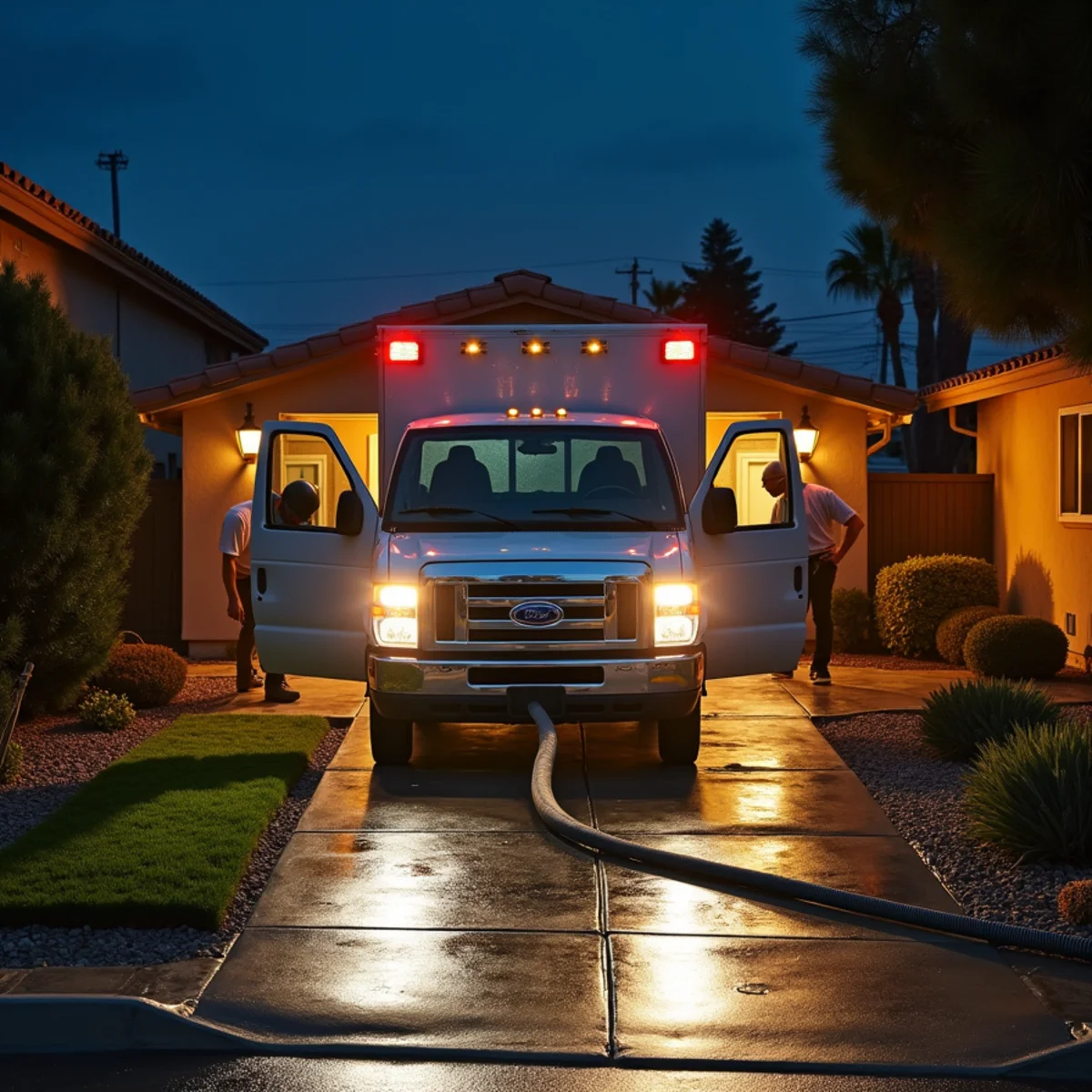
Emergency water extraction in Menifee removes standing water from your property before it soaks into structure. We dispatch 24/7, average about 30 minutes across the city, and arrive with truck-mounted units that pull hundreds of gallons without stopping to empty a tank. The first hour decides how much of your flooring, drywall and cabinetry survives.
We run truck-mounted extractors that pull hundreds of gallons without filling a tank, plus portable units for second floors, hallway closets, and the tight laundry rooms in Menifee's older single-story plans. Whatever the access looks like, we can reach it.
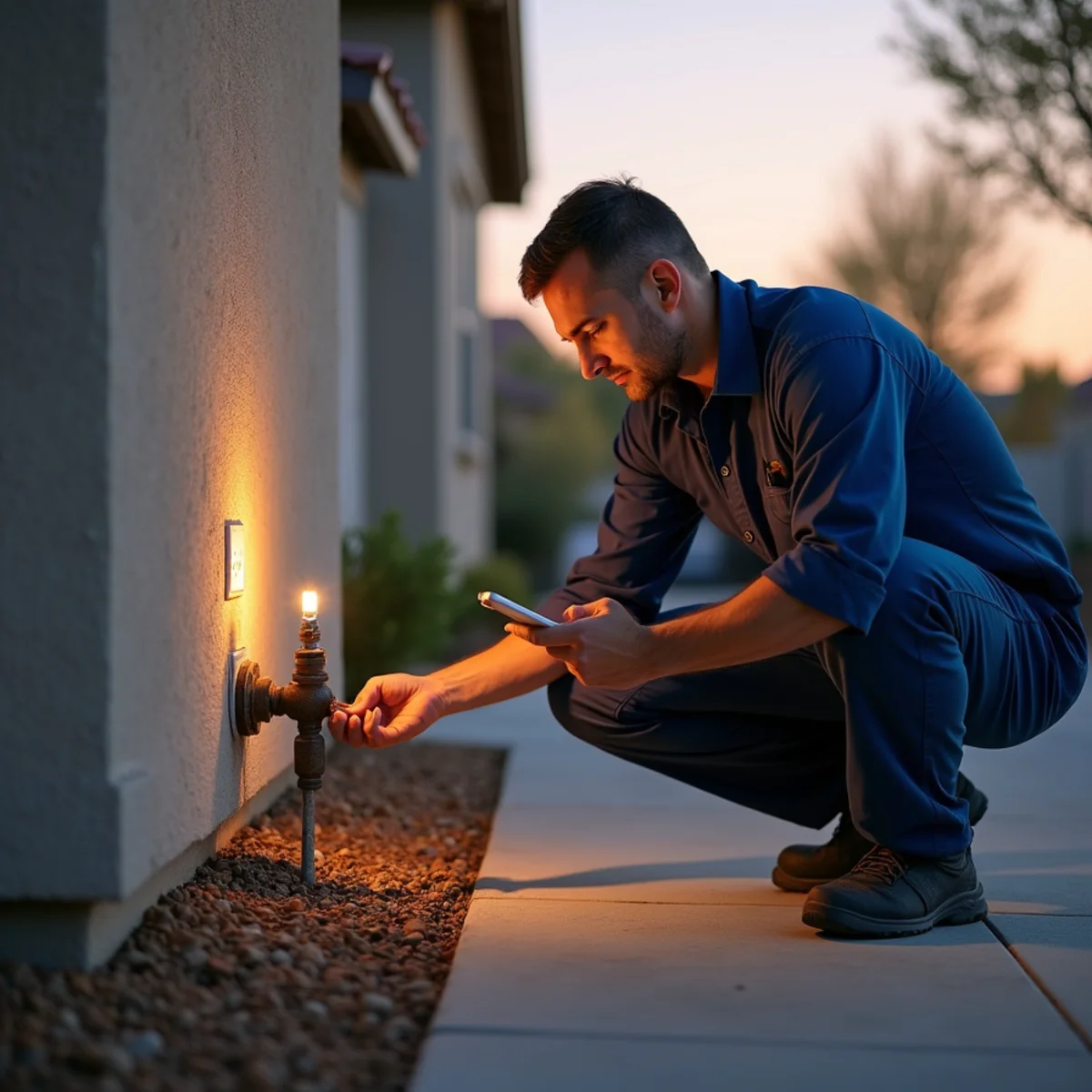
If water is moving through your house right now, stop reading and call. We will tell you where your shutoff most likely is for your tract and what to move first.
When you need extraction, not a mop
A towel handles a cup of water. These situations do not respond to towels, and treating them like they do is how a two-day dry-out turns into a three-week rebuild.
Water is still arriving
A supply line, water heater, or main that has not been shut off will outpace anything you can do by hand. Shut off first, then call — in that order.
Carpet squelches when you step on it
Visible surface water is a fraction of the total. Pad holds several times its weight, and it releases it slowly into the subfloor and the bottom plate.
Water has crossed a doorway or reached a wall
Once it touches drywall it starts climbing. Once it crosses a threshold it is into a second room's flooring system and often a shared wall cavity.
It came from upstairs
Water from a second-floor bathroom or laundry is already in the ceiling assembly, the insulation, and possibly the electrical boxes below it. That is an extraction and a containment call.
The source was not clean
A toilet overflow with waste, a sewer backup, or standing storm runoff is Category 3. Do not push it around with a shop vac — that spreads contamination through the house.
What an emergency extraction call includes
Extraction is not one pass with a wand. Here is everything that happens on the callout, all of it inside the same scope.
Source verification and electrical safety check
We confirm the water is off and the affected circuits are de-energised before anyone walks in. If you have not found the shutoff, we talk you to it on the phone — most Menifee tracts put it at the street box or on the garage-side wall.Bulk standing-water removal
Truck-mounted extraction working from the lowest point back toward the source, so water is never pushed into rooms that are still dry. Portable units come in for second floors and closets where the hose reach runs out.Weighted deep extraction of carpet and pad
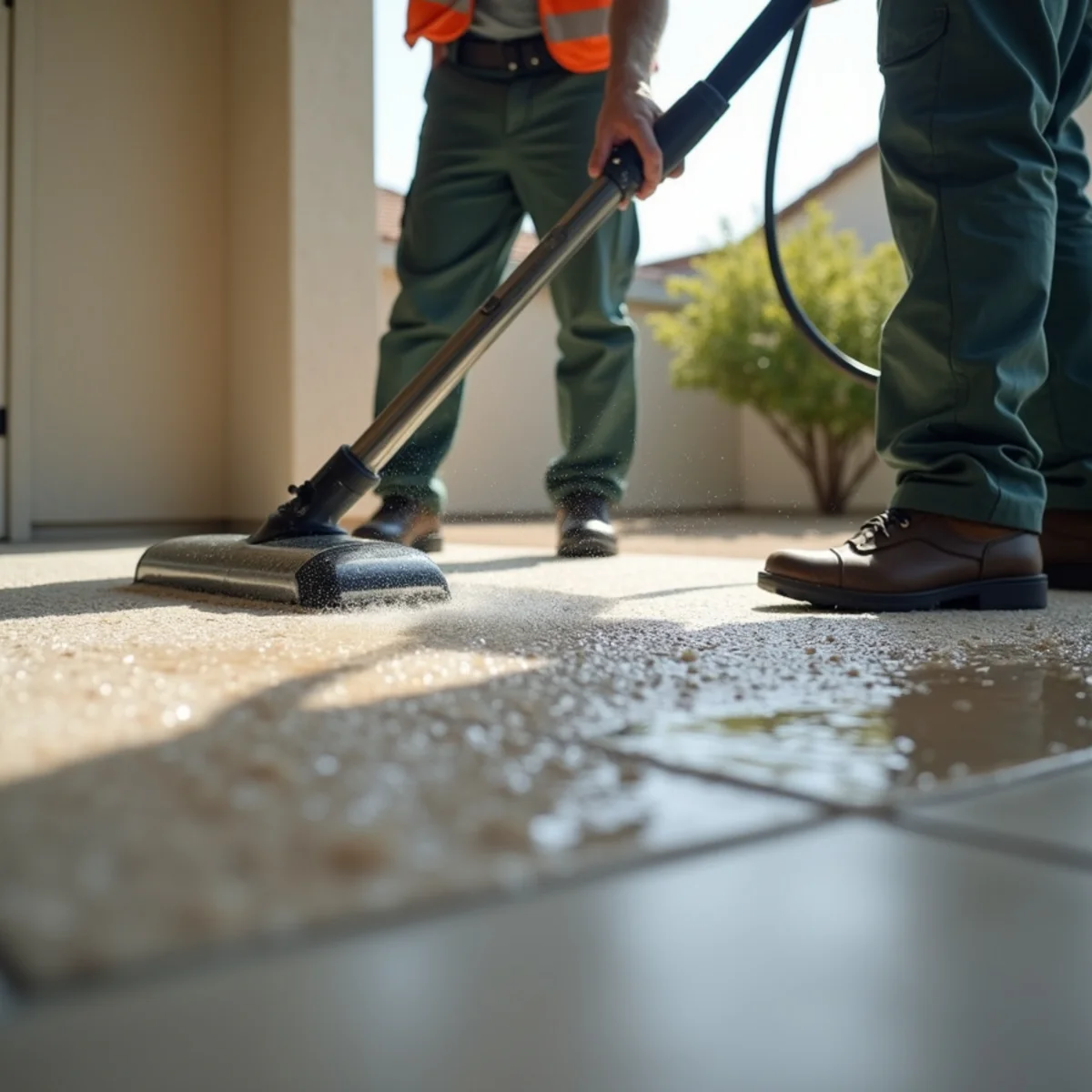
Multiple slow passes with a weighted head that compresses the pad and pulls out what it is holding. This is the step that decides whether your carpet is saved or replaced, and it is the one cut-rate crews skip.Moisture map and a written drying plan
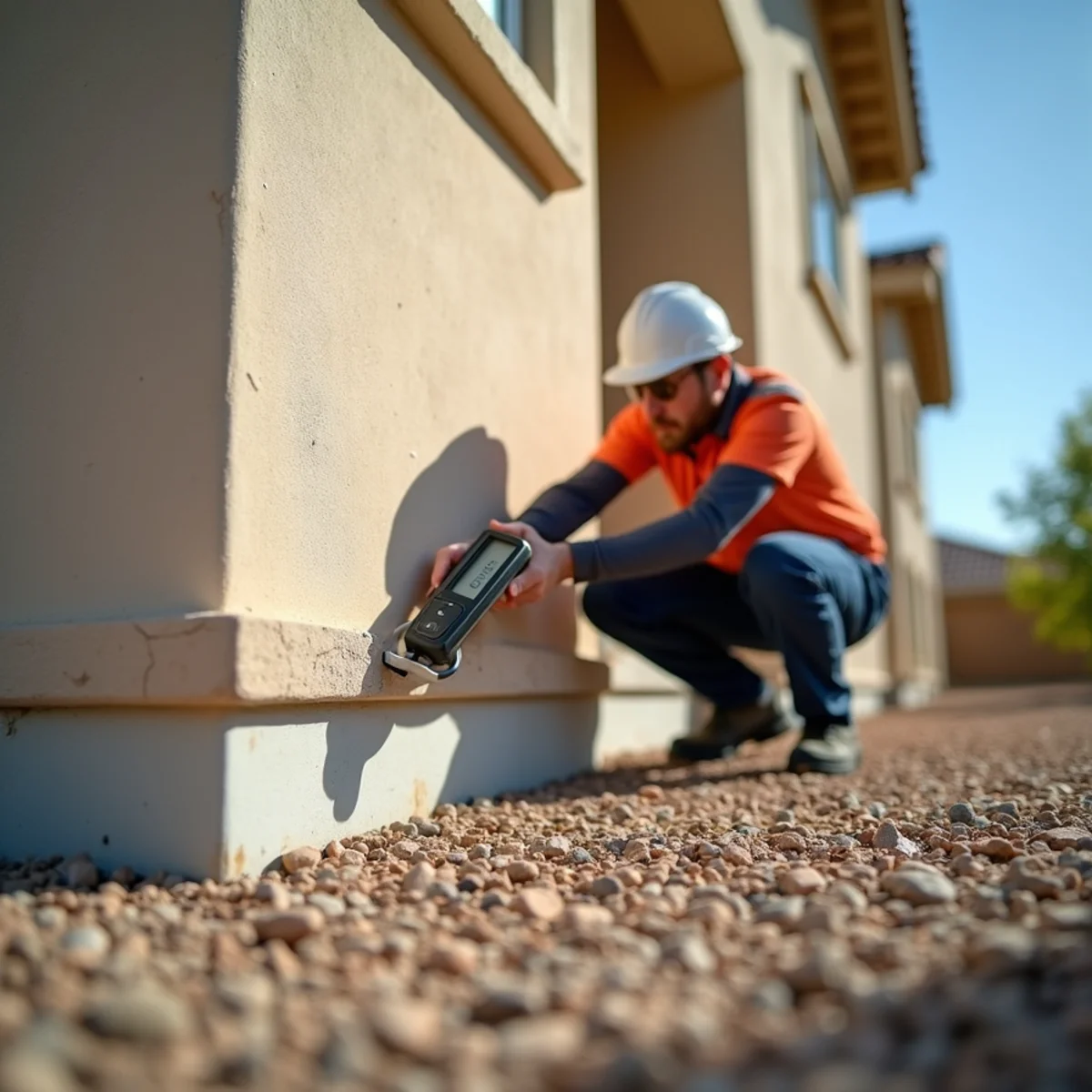
Meters and thermal imaging define the real wet perimeter, which is almost always larger than the visible one. You leave the callout with the readings, a marked-up floor plan, and a plan showing what equipment is running and roughly for how long.
Reaching every corner of a spread-out city
Menifee covers roughly 50 square miles, and its communities do not sit in a tidy grid. Sun City and Quail Valley are west of the 215. Heritage Lake and Audie Murphy Ranch are north and east. Canyon Hills climbs into the terrain on the southern edge. A crew staged in Temecula or Riverside is fighting freeway traffic before it even reaches you.
We stage out of Palomar Road in the 92585, which puts most of the city inside a half-hour window without touching the 215 at all. Newport Road and McCall Boulevard give us east-west reach; Antelope, Bradley, and Menifee Road run us north-south. On monsoon nights when the surface streets flood at the low crossings, knowing which route is still passable is the difference between arriving in 25 minutes and arriving in an hour.
That matters more here than in a cooler climate. Menifee summer interiors sit warm even with the AC running, and warm plus wet is the exact condition mold needs. The 24-to-48-hour window everyone quotes is the outside edge, not the target.
What happens from the moment you call
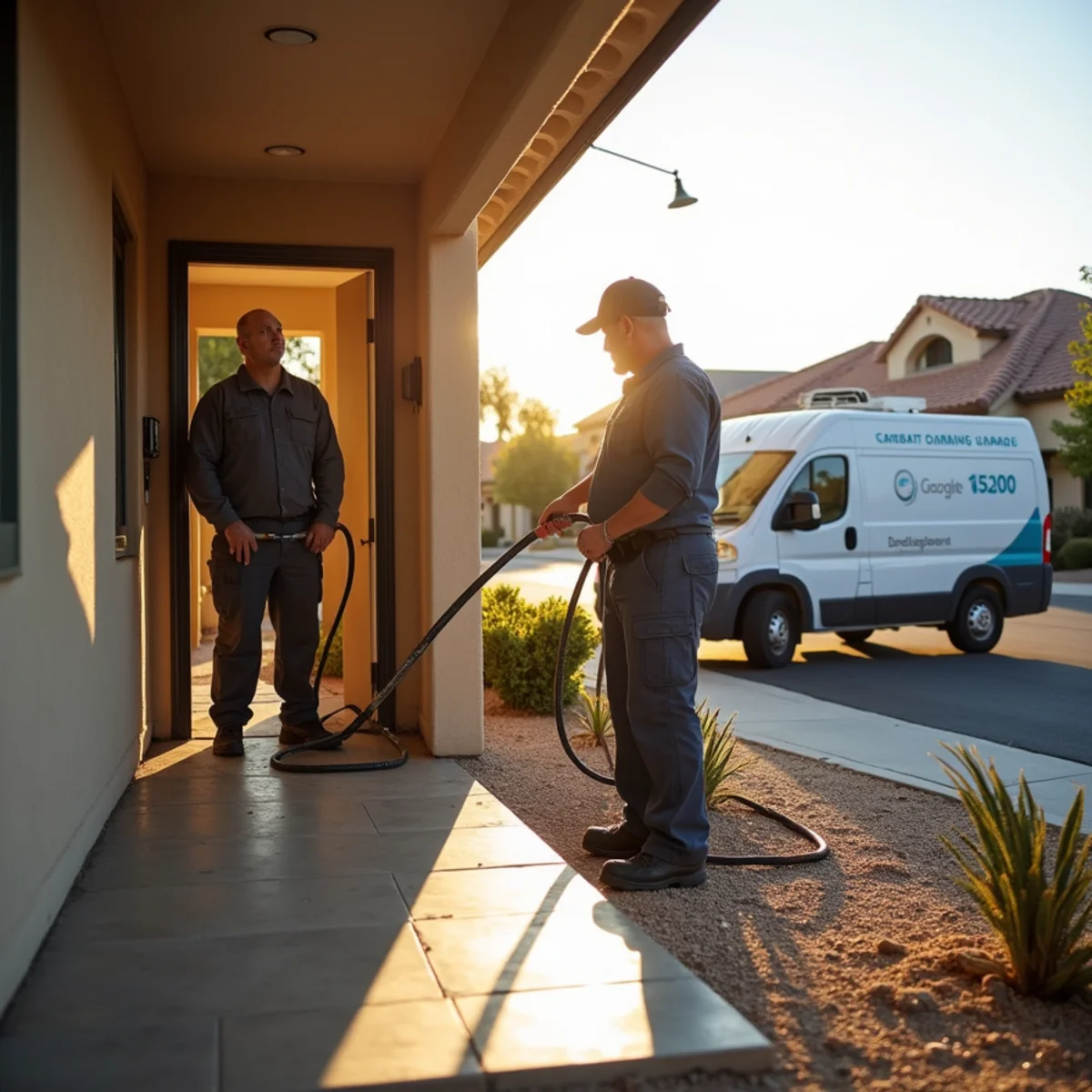
Extraction is a sequence, and skipping a step in it is how water ends up trapped where nobody looks.
- 1
1. Safety and source control
We confirm the water is off and the affected circuits are de-energized before anyone walks in. If you cannot find the shutoff, we talk you to it — most Menifee tracts put it at the street box or on the garage-side wall.
- 2
2. Standing water removal
Truck-mounted extraction takes the bulk volume first, starting at the lowest point and working back toward the source so we are never pushing water into dry rooms.
- 3
3. Deep extraction from carpet and pad
Weighted extraction heads compress the pad and pull the water it is holding. This one step routinely saves the carpet — and it is the step most cut-rate crews skip.
- 4
4. Moisture mapping
Meters and thermal imaging define the actual wet perimeter, which is almost always larger than the visible one. We mark it, photograph it, and log the baseline readings.
- 5
5. Controlled demolition, only where needed
Sometimes a cavity will not dry closed. We make the smallest opening that does the job — a drilled weep hole or a two-inch baseboard cut before we ever take out a sheet of drywall.
- 6
6. Drying plan and equipment set
Air movers and dehumidifiers go in against a calculated load, and you get a written plan showing what is running, where, and for roughly how long.
What emergency extraction costs
Extraction is usually billed as part of the mitigation scope rather than as a standalone fee. These are the variables that move it.
Volume and depth
An inch across a great room is a different pump time than a half-inch in a hallway. Truck-mounted units bill by the hour they run, so volume shows up directly.
Access and equipment reach
Ground-floor rooms near the driveway are the cheapest to reach. Second-floor bathrooms, long single-story runs, and gated communities like Bear Creek add hose time and setup.
Water category
Clean water can go to a sanitary drain. Category 3 water requires containment, PPE, and regulated disposal, which is the single biggest jump in extraction cost.
After-hours dispatch
Most restoration companies apply an overnight or holiday rate. Ours is disclosed on the phone before we roll — you will never learn about it from the invoice.
Why call us for extraction specifically
Extraction is the one step where minutes genuinely change the scope of the job. These are the things that make our minutes count.
Staged in Menifee, not dispatched to it
Our shop is on Palomar Road in the 92585, which puts most of the city inside 30 minutes without touching the 215. On a monsoon night, knowing which surface streets are still passable is the difference between arriving in 25 minutes and arriving in an hour.
Truck-mounted capacity, not a rental wet vac
Truck-mounted units pull continuously without filling a tank. On a whole-floor loss that is the difference between hours and a full day, and every one of those hours is water climbing further up your drywall.
IICRC-certified crews on the truck
Water Damage Restoration Technician and Applied Structural Drying certification means the person deciding what to extract and what to remove has been trained in the standard, not just handed a wand.
After-hours rate disclosed on the phone
Most restoration companies apply an overnight or holiday rate. Ours is stated before we roll, never discovered on the invoice — and on a covered loss we bill your carrier directly.
Frequently asked questions
Should I shut the power off before you arrive?
If you can reach the breaker panel without stepping in water, shut off the circuits feeding the affected rooms. If reaching the panel means walking through standing water, do not — wait outside and tell us when we arrive. No amount of flooring is worth that risk.
Can I use my shop vac in the meantime?
On clean water, on a hard floor, yes — it helps. Never on sewage or gray water: household vacuums aerosolize contaminants and spread them through the house. And a shop vac cannot pull water out of carpet pad, which is where most of the volume is hiding.
Will my carpet survive?
Usually, if we get there quickly and the water was clean. Carpet is salvageable far more often than pad — we frequently pull and replace the pad, extract and dry the carpet in place, and re-stretch it. Category 3 water is the exception; that carpet comes out.
Do you extract from slab foundations?
Yes, and nearly every Menifee home is slab-on-grade. Water on a slab has nowhere to drain, so it spreads laterally and sits under flooring. We extract, then dry the slab itself — see structural drying and dehumidification for how that works.
How much water can you actually remove, and how fast?
A truck-mounted unit extracts continuously rather than filling and emptying a tank, so a typical flooded great room and hallway is cleared of standing water in well under an hour. The slower part is the weighted pass over carpet, which we do deliberately and repeatedly because that is what saves the carpet. Expect two to four hours on site for a normal residential extraction, including the moisture map and equipment set.
Where we provide emergency water extraction in Menifee
We run this service across every Menifee neighborhood and out into the surrounding cities. Response times are honest drive-time bands from our shop on Palomar Road, not marketing numbers.
- Emergency Water Extraction in Menifee, CA
- Emergency Water Extraction in Menifee Lakes
- Emergency Water Extraction in Audie Murphy Ranch
- Emergency Water Extraction in Heritage Lake
- Emergency Water Extraction in Quail Valley
- Emergency Water Extraction in Sun City, Menifee
- Emergency Water Extraction in Paloma Valley
- Emergency Water Extraction in Canyon Hills
- Emergency Water Extraction in Romoland
- Emergency Water Extraction in Homeland
- Emergency Water Extraction in McCall Boulevard
- Emergency Water Extraction in Newport Road