Carpet water damage restoration in Menifee saves the carpet far more often than people expect. Carpet fibre releases water readily under weighted extraction; the pad underneath does not, which is why it is almost always replaced instead. On a clean-water loss caught within about 48 hours, you usually keep your carpet.
Carpet fibers are largely synthetic and release water readily under weighted extraction. The pad underneath is a sponge — it holds several times its own weight and gives it up slowly, straight into the subfloor and the bottom of the wall. Drying carpet with the wet pad still under it is the most common mistake we get called in to correct.
We extract deep, replace the pad, dry the carpet in place, treat it, and re-stretch it. In most clean-water losses you keep your carpet.
How wet is it, really?
Carpet hides its condition well. These are the checks that tell you what is actually going on underneath.
It squelches, or the edge is dark
Audible water underfoot means the pad is saturated. A darkened line along the tack strip means water has reached the wall base.
It feels cool long after the spill
Evaporation cools the surface. Carpet that still feels cool a day later is still releasing moisture — the pad is feeding it.
A musty smell within a day or two
In Menifee's warmth, microbial growth in a wet pad starts fast. That smell is the pad, and no amount of surface cleaning fixes it.
Delamination — the backing separating
When the secondary backing comes away from the primary, the carpet ripples and will not lie flat again. That carpet is finished.
It came from a toilet, a drain, or outside
Category 3 water means the carpet and pad both come out. There is no safe way to restore porous flooring that sat in contaminated water.
What a wet carpet job includes
The sequence matters. Every step exists to avoid replacing carpet that did not need replacing.
Category assessment before anything is decided
Clean water means the carpet is very likely savable, gray water is case by case, and Category 3 means it comes out. We make that call in front of you and explain why, rather than pricing a replacement by default.Weighted deep extraction, multiple passes
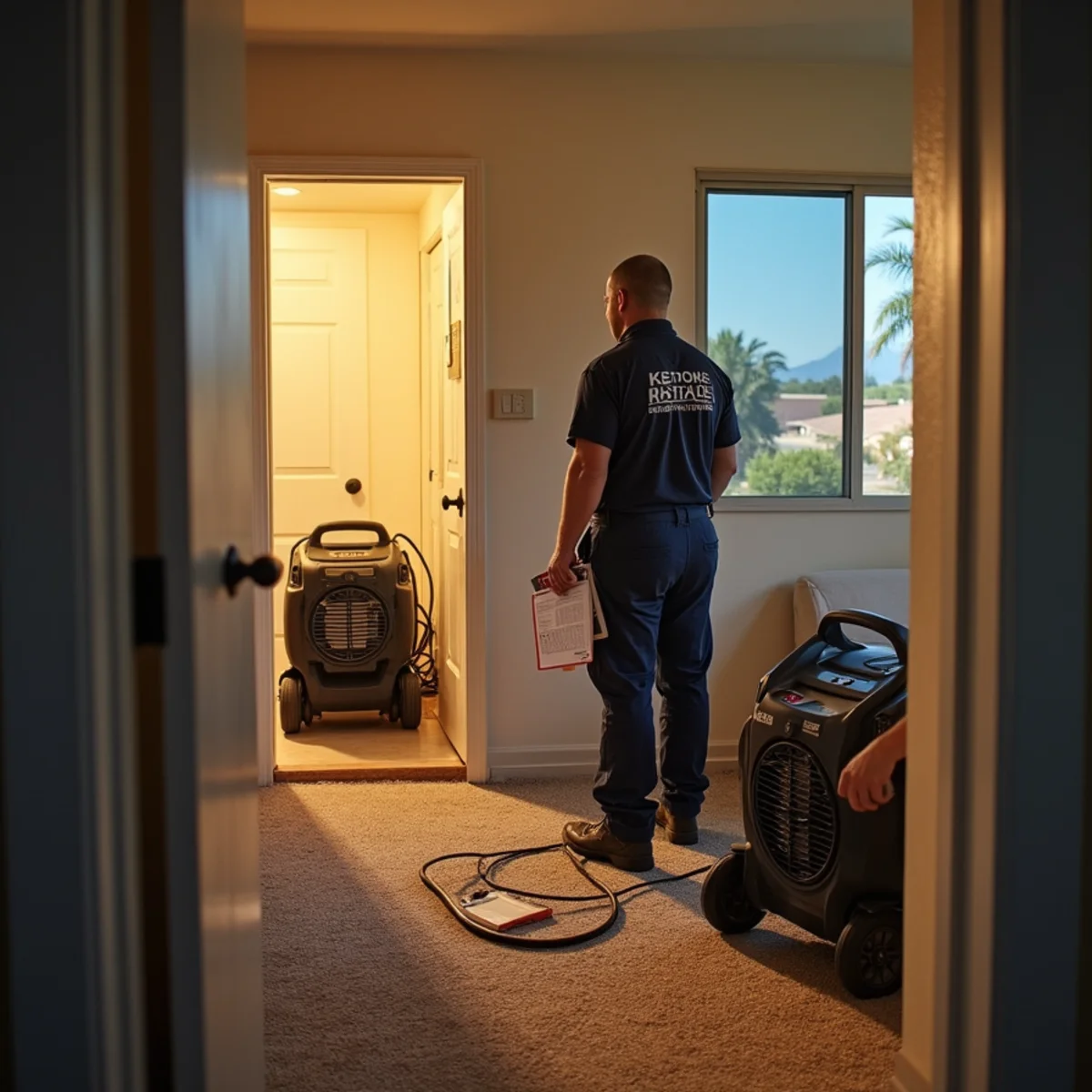
A weighted head presses the pad and pulls out what it is holding. Several slow passes remove far more water than a surface wand, and this single step is what decides whether the carpet survives.Pad removal, slab drying and antimicrobial treatment
The pad is disposed of, the carpet floated or lifted, and the concrete slab, tack strip and wall base dried and treated. Retained pad moisture is the leading cause of the musty smell people notice three weeks later.New pad, reinstall and power stretch
Fresh pad, carpet re-laid and power-stretched so it lies flat with no ripples, seams and transitions finished. Done properly you cannot tell the room was flooded.
Wet carpet in a Menifee house
Nearly every home in this city is slab-on-grade, which changes the physics. There is no crawl space for water to drain into and no airflow underneath. Water that reaches carpet spreads flat and sits, trapped between the pad and the concrete, and the slab itself absorbs some of it.
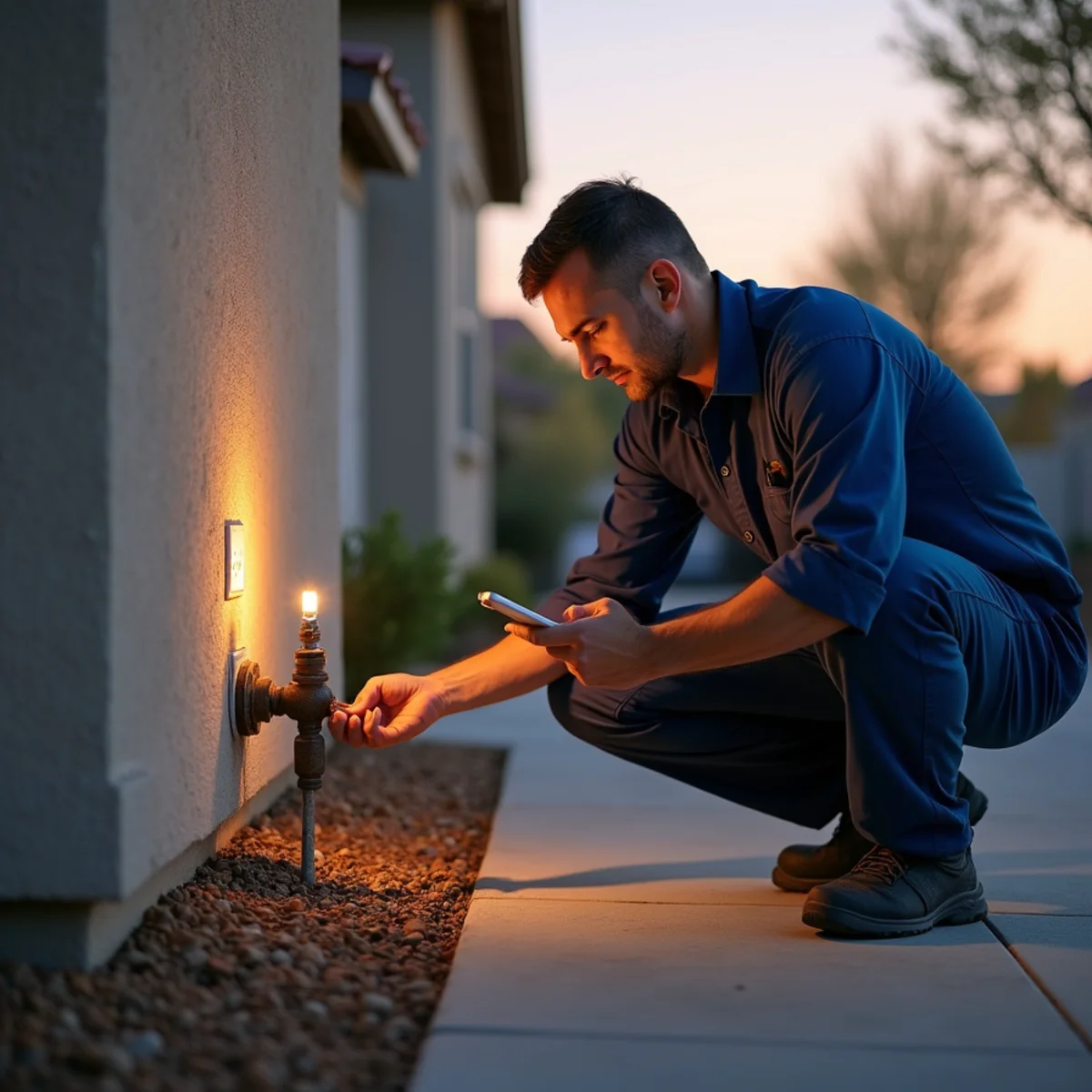
The sources are consistent. Water heaters in garages that push water under the shared wall into the hallway. Ice maker and dishwasher leaks that run out of the kitchen and onto adjoining bedroom carpet. Irrigation breaks along the foundation in the larger-lot communities like Audie Murphy Ranch and Greer Ranch, where a broken lateral can push water under a slider for hours. And in two-story homes, upstairs bathrooms and laundries that soak the carpet on the level below.
The dry climate genuinely helps — outdoor humidity is often low enough to make excellent drying air. But it also creates a trap: the surface dries fast and feels fine while the pad and slab are still holding water. That is the situation where homeowners think they handled it, and call us three weeks later about a smell.
How we restore water-damaged carpet
The order matters. Every step exists to avoid replacing carpet that did not need replacing.
- 1
1. Assess category and salvageability
Clean water means the carpet is very likely savable. Gray water is case by case. Category 3 means it comes out — we make that call in front of you and explain why.
- 2
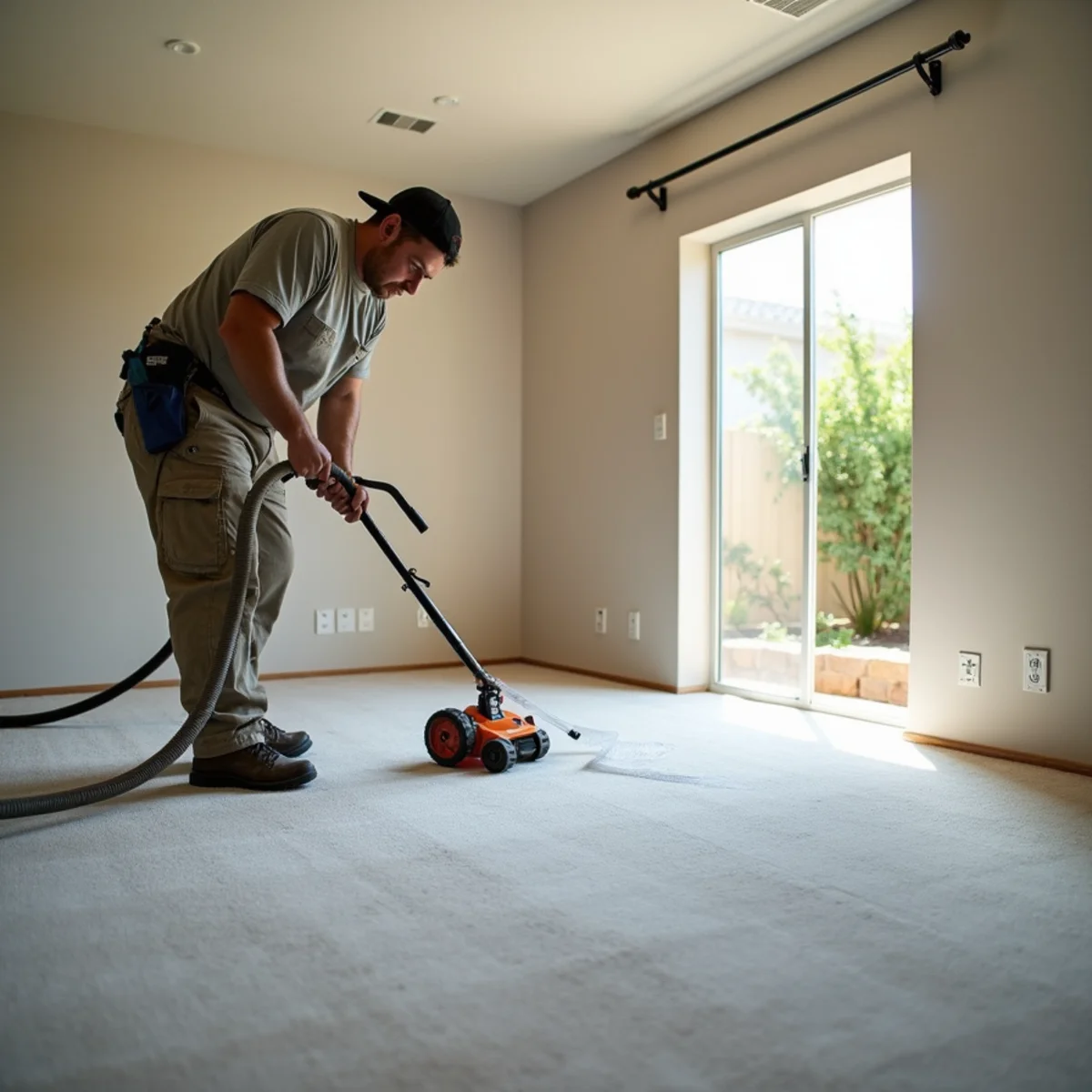
2. Weighted deep extraction
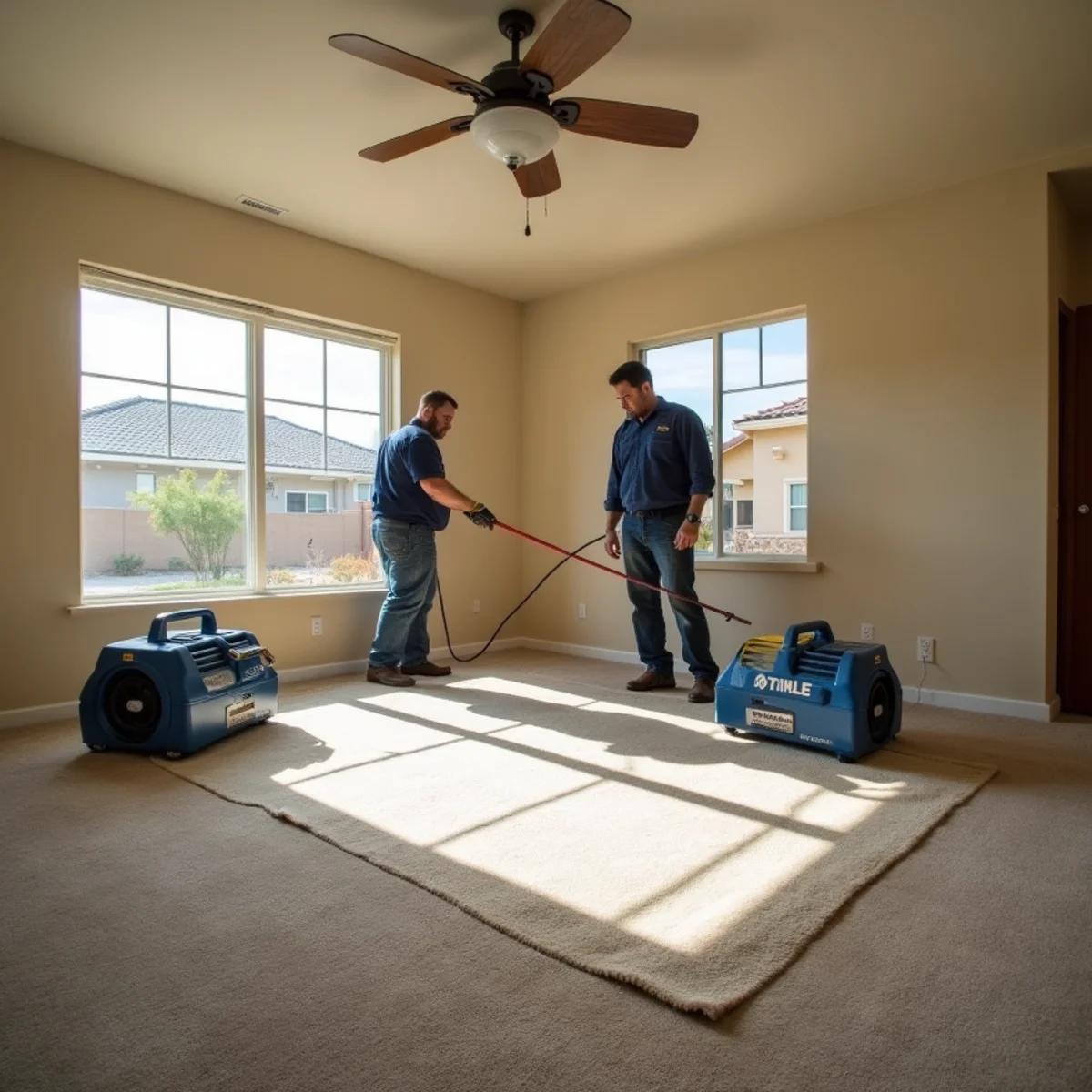
A weighted extraction head presses the pad and pulls out what it is holding. Multiple slow passes remove far more water than a surface wand, and this is the step that saves carpets.
- 3
3. Float or lift the carpet
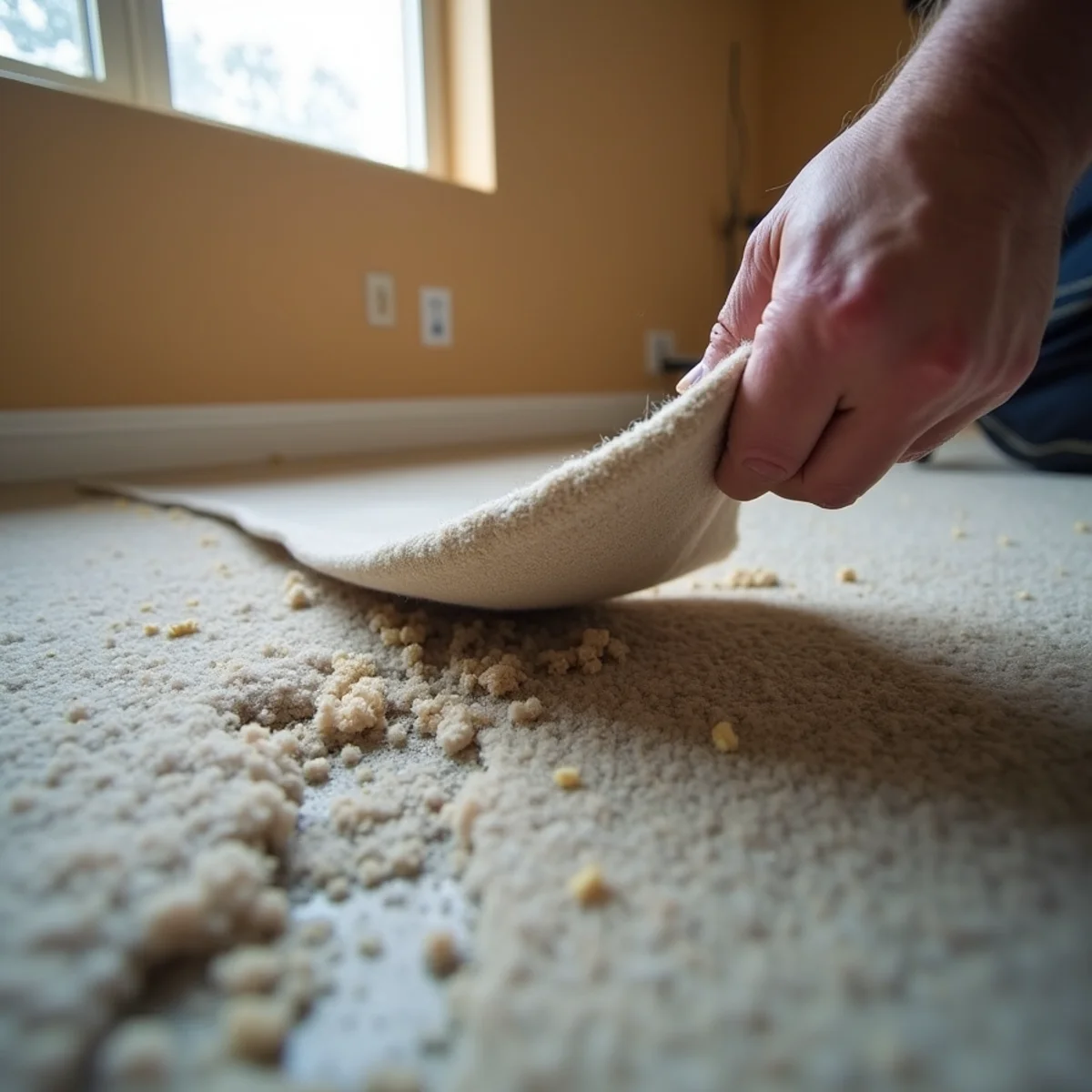
We detach at the tack strip and either float the carpet on air movers or lift it entirely so the pad and slab can dry from both sides.
- 4
4. Remove and replace the pad
In almost every saturated loss the pad is disposed of and replaced. It is inexpensive material and it is the single biggest source of retained moisture and odor.
- 5
5. Dry the slab and treat
Air movers and dehumidification dry the concrete, tack strip, and wall base. An antimicrobial treatment goes down before the carpet is reinstalled.
- 6
6. Reinstall and re-stretch
New pad, carpet re-laid and power-stretched to remove ripples, seams and transitions finished. Done right, you cannot tell the room was flooded.
What carpet water damage restoration costs
Restoring carpet is nearly always cheaper than replacing it — assuming the water was clean and the response was quick.
Square footage affected
Extraction, drying, and re-stretch all scale with area, though the equipment setup cost is largely fixed regardless of room size.
Pad replacement
The pad is inexpensive; the labor to lift, dispose, and re-lay is the real line item. It is money well spent — retained pad moisture is the leading cause of callbacks.
Water category
Clean water is straightforward. Gray water adds disinfection. Category 3 means full removal and disposal of carpet and pad plus containment.
Furniture handling
Moving, blocking, and returning furniture is standard on bedroom and living-room losses and is billed with the scope.
Why call us before replacing your carpet
If a company quotes replacement without doing a weighted extraction first, get another opinion. That is the whole point of this page.
We extract before we condemn
Clean-water carpet losses caught within about 48 hours are usually restorable. Your policy pays for restoration or replacement, not automatically the more expensive one, and we would rather save the carpet.
We replace the pad every time, and say why
Pad is a dense open-cell sponge holding many times its own weight. It cannot be dried to standard in place and it is inexpensive material. Leaving it in is the shortcut that produces callbacks.
Slab-on-grade drying, which is what Menifee has
Nearly every home here sits on a slab, so water spreads flat and sits trapped between pad and concrete with no airflow underneath. We dry the slab itself, not just the carpet surface that feels dry by morning.
Furniture handled and protected
Moving, blocking and returning furniture is in the scope, and wooden legs get foil or blocks under them — untreated legs bleed stain into wet carpet within hours, and that stain does not come out.
Frequently asked questions
Can my carpet be saved?
In most clean-water losses caught within about 48 hours, yes. Gray water is judged case by case. Category 3 — sewage, toilet overflow with waste, or outdoor flood water — is not salvageable in carpet or pad, and no treatment changes that.
Why replace the pad if you are saving the carpet?
Pad is a dense open-cell sponge. It holds many times its weight in water, releases it slowly, and cannot be extracted to a dry standard in place. Leaving it is what produces the musty smell people notice three weeks later. It is cheap material — replacing it is the right call almost every time.
Can I just run fans on it myself?
Fans move air; they do not remove moisture, and they cannot reach the pad or the slab. Without a dehumidifier you are evaporating water into the room and letting it settle somewhere else. Meanwhile the pad stays wet. That is how a two-day dry-out becomes a mold job.
How long until I can put the furniture back?
Typically three to five days for a normal bedroom or living room in a Menifee home. The equipment stays until the carpet, pad, slab, and wall base all meter dry — not until the surface feels dry, which happens much sooner and means much less.
The carpet feels dry already. Do I still need anything done?
Very possibly yes, and this is the trap Menifee's dry air sets. Low outdoor humidity dries the carpet surface fast while the pad, the tack strip, the wall base and the slab underneath are still saturated. Surface dryness is not structural dryness. A moisture reading takes two minutes and costs nothing — if the pad and slab are dry you have lost nothing, and if they are not, you have caught it before the smell arrives.
Where we provide carpet water damage restoration in Menifee
We run this service across every Menifee neighborhood and out into the surrounding cities. Response times are honest drive-time bands from our shop on Palomar Road, not marketing numbers.
- Carpet Water Damage Restoration in Menifee, CA
- Carpet Water Damage Restoration in Menifee Lakes
- Carpet Water Damage Restoration in Audie Murphy Ranch
- Carpet Water Damage Restoration in Heritage Lake
- Carpet Water Damage Restoration in Quail Valley
- Carpet Water Damage Restoration in Sun City, Menifee
- Carpet Water Damage Restoration in Paloma Valley
- Carpet Water Damage Restoration in Canyon Hills
- Carpet Water Damage Restoration in Romoland
- Carpet Water Damage Restoration in Homeland
- Carpet Water Damage Restoration in McCall Boulevard
- Carpet Water Damage Restoration in Newport Road