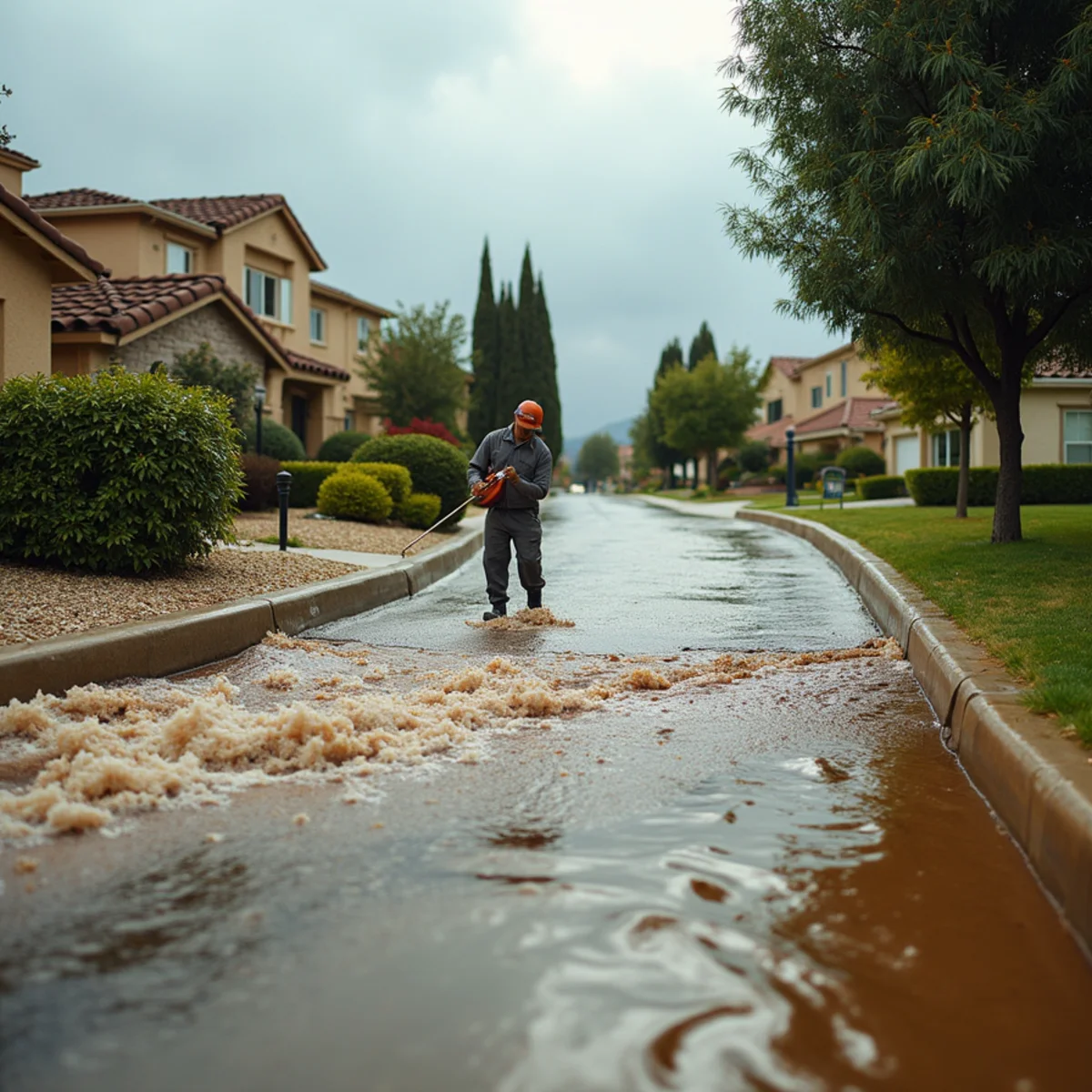
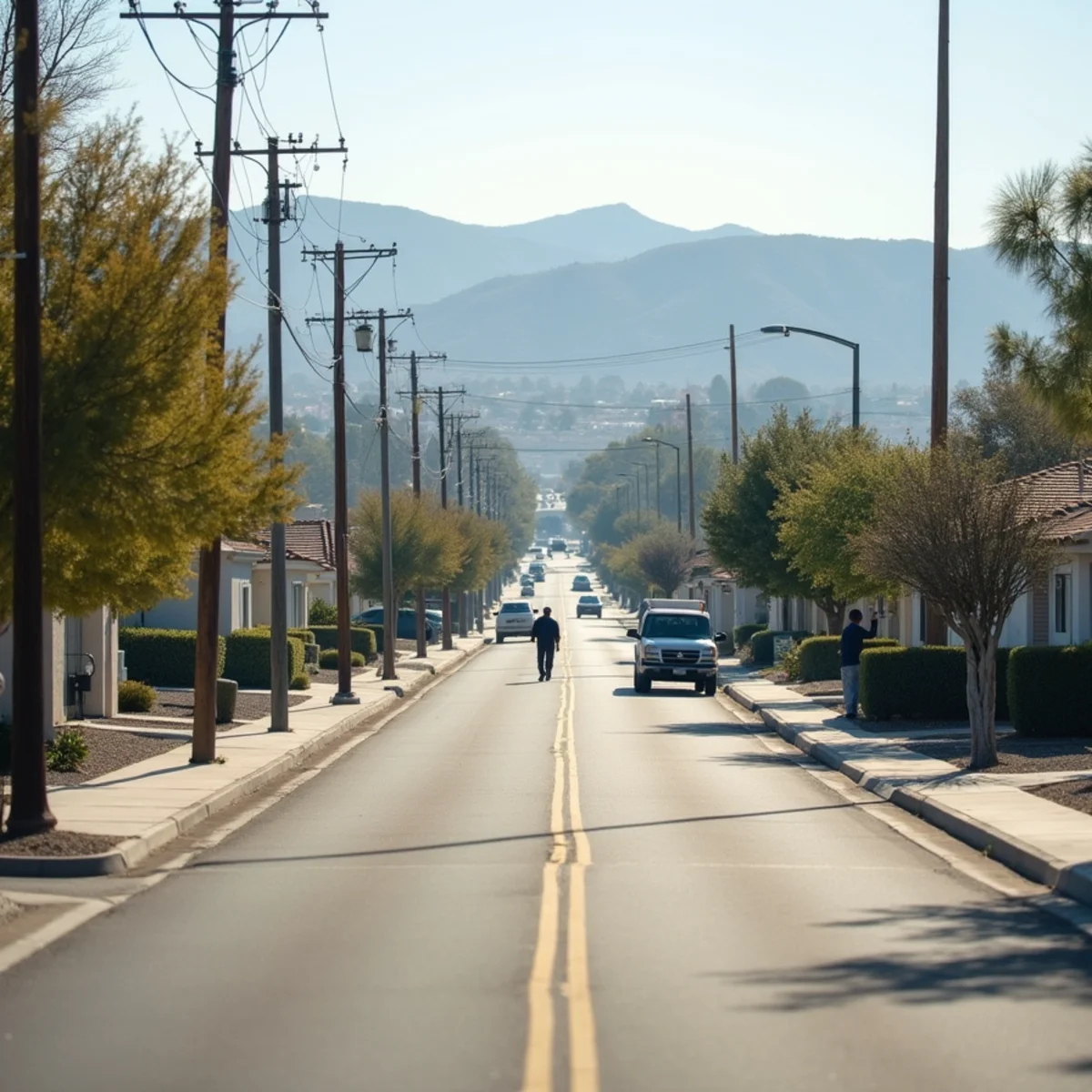
That mix produces an unusual split in what we get called for here. Half the work is Sun City residential with 30- and 40-year-old plumbing. The other half is commercial, and it comes with equipment, patient records, and appointment schedules that cannot simply be paused.
Water damage risks specific to McCall Boulevard
Every neighborhood in this region fails in its own way, and it is usually predictable from the construction era and the terrain. Here is what we actually respond to here.
1Medical and dental offices with sensitive equipment
The clinics along this corridor house imaging equipment, sterilizers, and patient records. Water near any of them is urgent for reasons that have nothing to do with the building. Documented sanitization is often required before treatment areas can be used again.
2Multi-tenant buildings with shared plumbing
Professional suites share supply and drain lines inside demising walls. A failure in one tenant space routinely appears in the neighbor's ceiling, which means coordinating access, containment, and two separate insurance claims at once.
3Older commercial plumbing carrying heavy volume
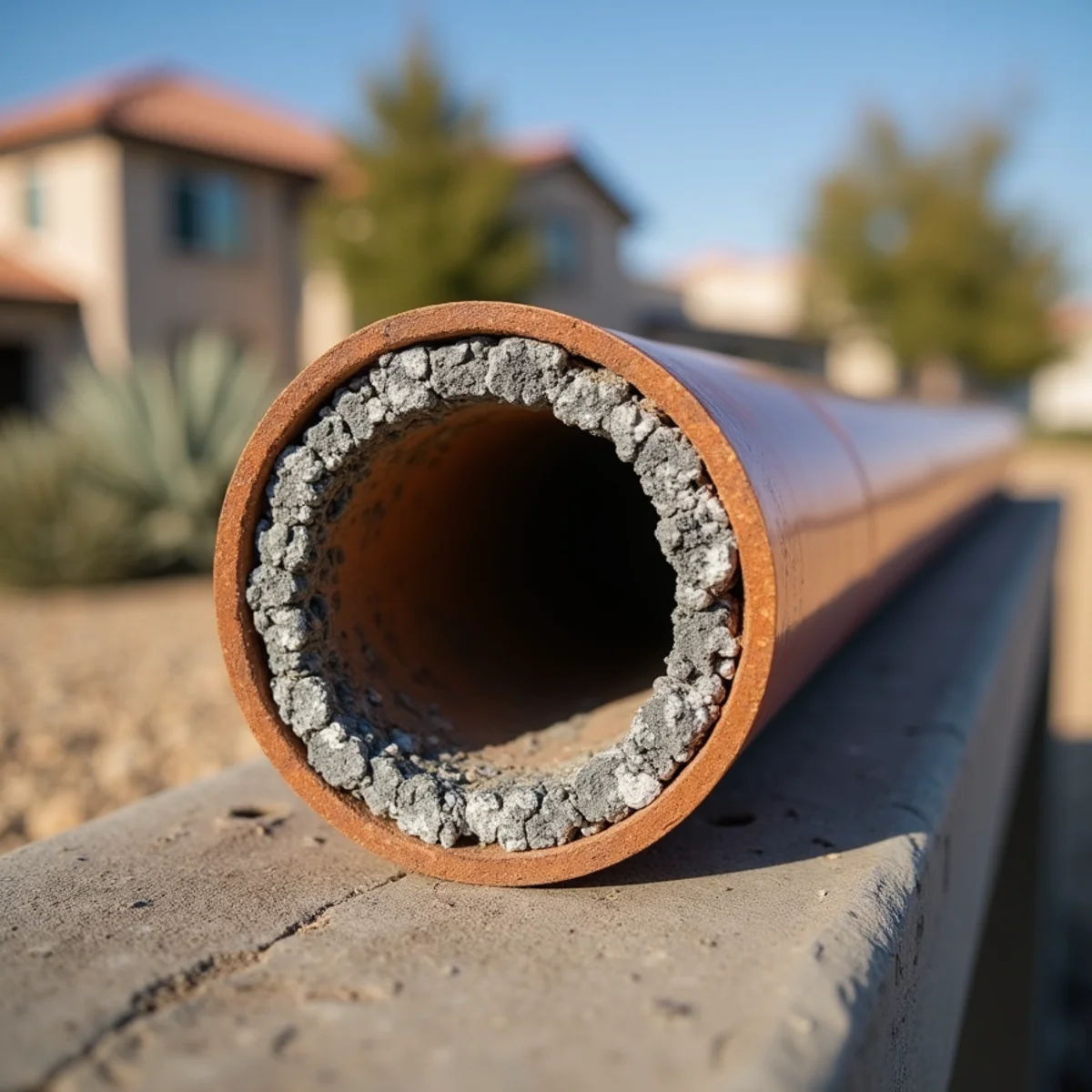
Commercial systems along this corridor have been running at higher throughput than residential for decades, and mineral scale accumulates faster at that volume. Restroom supply lines, water heaters, and drain lines all reach failure sooner than they would in a house.
4Aging single-story homes on the residential stretches
The Sun City housing that fronts and surrounds McCall carries original copper, original laterals, and water heaters at or past replacement age — with the added complication that many owners travel for extended periods.
The housing stock we work in McCall Boulevard
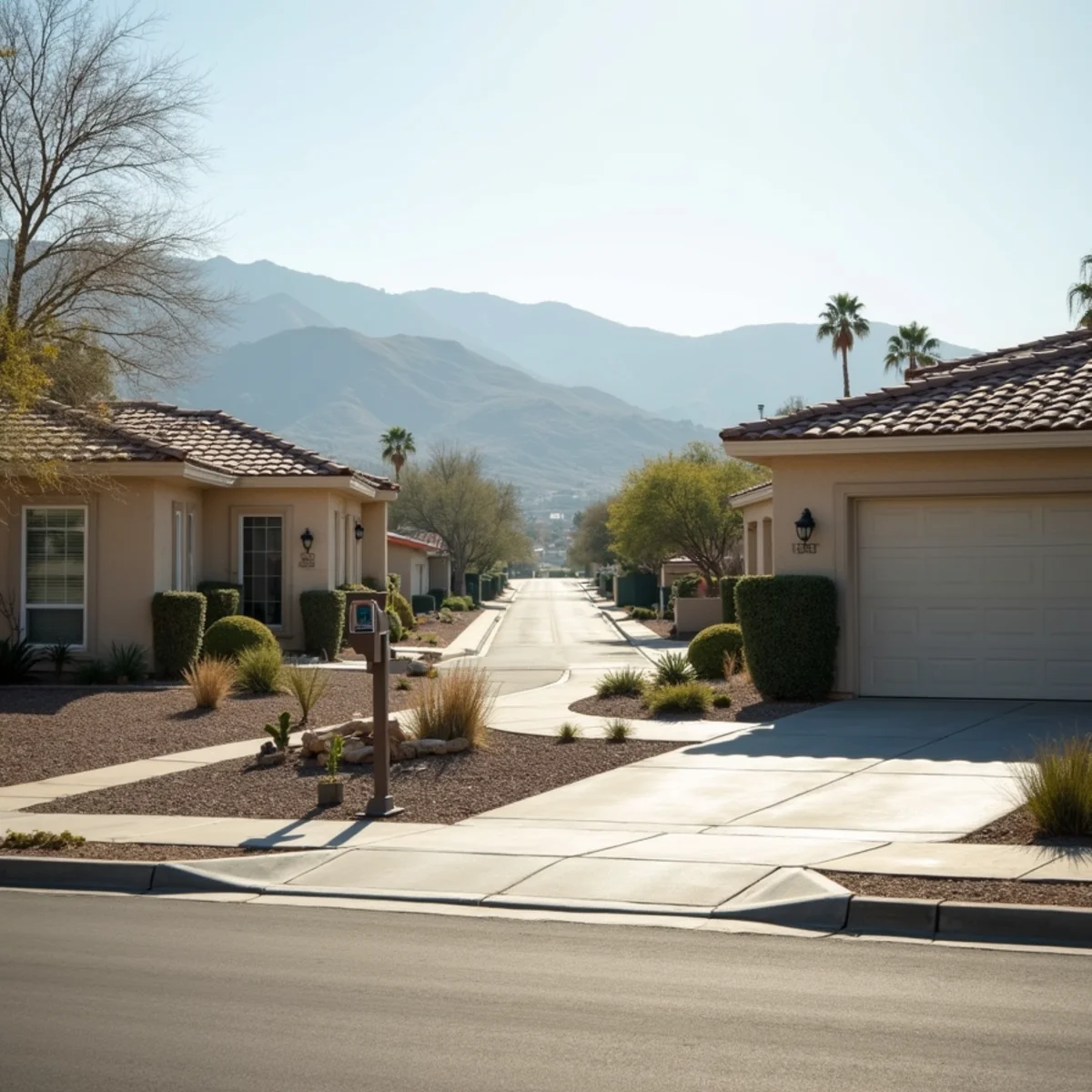
A genuine mix: single-story 1980s and 1990s active-adult homes on the residential stretches, plus strip retail, medical and dental suites, and professional office buildings along the commercial frontage. Both sides of that mix carry decades of mineral scale in their plumbing.
Local landmarks
McCall Boulevard retail corridor · Sun City medical offices · I-215 interchange
Services we run most often in McCall Boulevard
Every service we offer is available here. These are the ones this area calls for most, based on what actually breaks in these homes.
- Commercial Water Damage RestorationRetail, restaurant, medical, and office losses — worked after hours and in phases so you stay open.
- Water Damage RestorationFull-scope extraction, structural drying, and repair — one crew from the first moisture reading to the last coat of paint.
- Burst Pipe & Slab Leak RepairThe failure Menifee sees most: pinholed copper under a slab. We find it, dry it, and put the floor back.
- Sewage Cleanup & SanitizationCategory 3 water done properly: containment, PPE, removal of porous materials, and verified sanitization.
- Structural Drying & DehumidificationCalculated equipment loads and daily moisture logs — we do not pull the gear until the structure meters dry.
Why McCall Boulevard properties call us
This corridor splits almost evenly between senior residential and medical or professional suites, and the two need very different handling.
We schedule around patient hours
Clinics along McCall cannot simply close. We contain the affected suite so unaffected treatment rooms stay usable, and run the loud work evenings and weekends.
Documented sanitization for clinical spaces
Category 2 and 3 losses near treatment areas get containment, HEPA filtration, EPA-registered antimicrobial and a written verification record before the space goes back into use.
We handle multi-tenant claims
Shared supply and drain lines in demising walls mean one failure often surfaces in the neighbouring suite. We produce one scope that both tenants, the property manager and every carrier can work from.
15 to 20 minutes, and we know the Sun City side
The residential stretches carry original copper and original laterals, with owners who often travel for weeks. Both halves of this corridor are familiar ground.
Getting to you on the McCall Boulevard corridor
Fifteen to twenty minutes, and the mix of residential and commercial along here changes the job significantly.
Commercial and medical suites need after-hours access planning
Strip retail, medical and dental suites along McCall generally cannot give us access without somebody from the tenancy or the property manager attending. If you are calling about a commercial unit at night, the access conversation is the first one to have — it is far more often the delay than our drive time is.
The I-215 interchange is both the access and the congestion
Being near the interchange makes this corridor quick to reach outside peak and genuinely slow through it. We route around where the surface streets allow, and we will tell you honestly on the phone if the interchange is the reason our number is higher than usual.
Active-adult residential on the same run
The residential stretches here are single-storey 1980s and 1990s homes of the same character as Sun City, with the same seized-valve and step-free spread issues. One corridor, two completely different job types, and the phone call is where we work out which one you are.
For the practices along McCall, downtime is the real cost. We contain, phase the work around your schedule, and run the disruptive portions after hours so you can keep seeing patients.
McCall Boulevard questions we get asked
Can you work around our patient schedule?
Yes. We contain the affected area so unaffected treatment rooms stay usable, and we schedule the loud, disruptive work for evenings and weekends. On a multi-tenant building we coordinate with property management so neighbouring suites keep operating too.
Water came from the suite next door. Whose claim is it?
Usually both, and often the landlord's policy as well. We document the source and the path carefully, produce one scope everyone works from, and deal with multiple adjusters directly. That coordination is most of the job on multi-tenant losses.
Do you handle sanitization documentation for medical spaces?
Yes. Category 2 and 3 losses in clinical settings get containment, HEPA filtration, EPA-registered antimicrobial treatment, and a written record of what was done — which is what you need before a treatment area goes back into use.
Can you work on a McCall Boulevard medical suite without shutting the practice?
Usually yes. We contain the affected rooms under negative pressure so the rest of the suite keeps operating, and schedule demolition and equipment changes outside patient hours. Full closure is a last resort rather than a default. Where sterile or treatment areas are involved we produce written verification of the sanitization before those rooms return to use.