Seasonal & Weather
Monsoon Flash Flooding in Menifee: Why a Dry City Floods
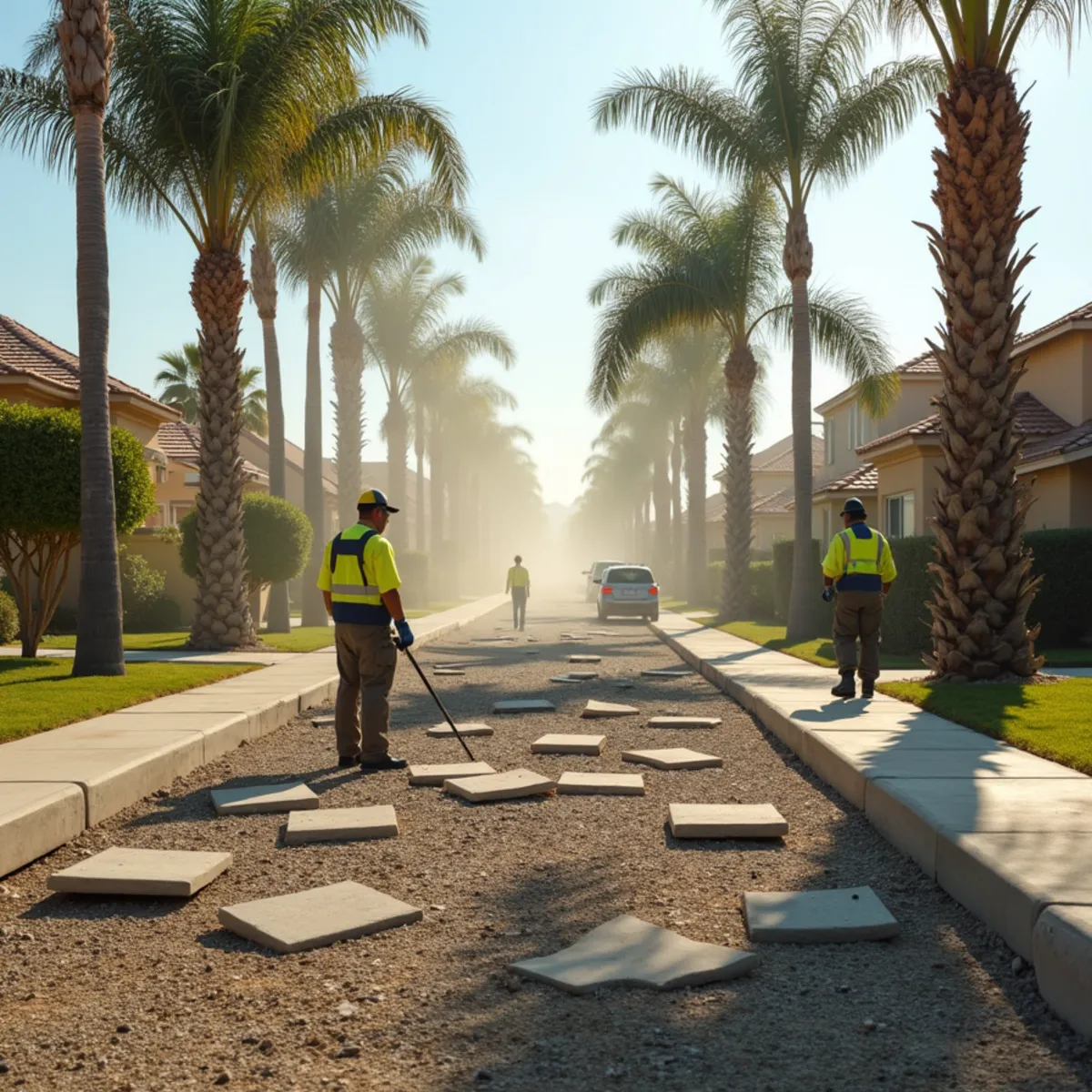
Sun-baked hardpan sheds water almost like pavement. A cell that drops half an inch in twenty minutes sends nearly all of it downhill at once.
The short answer
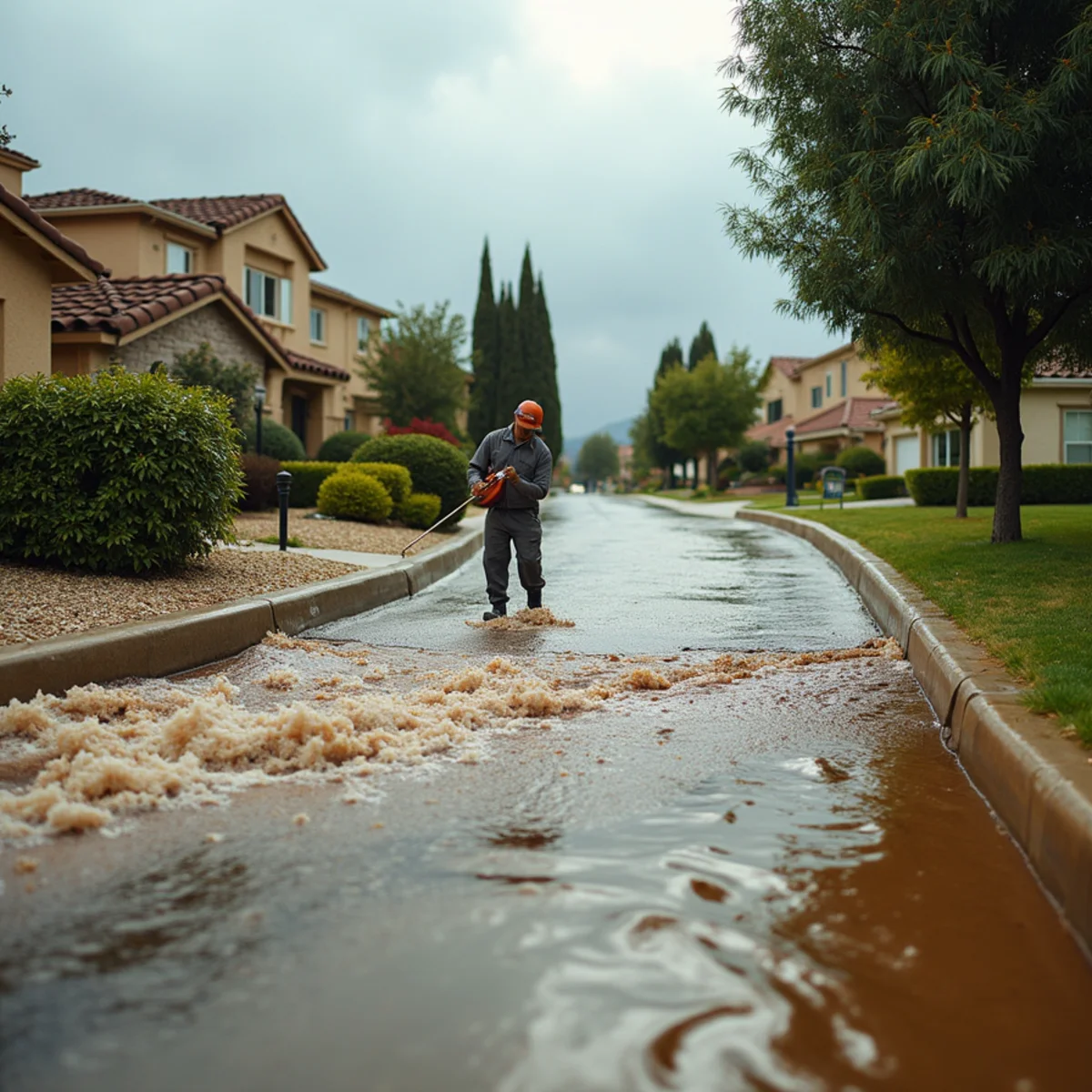
Menifee floods because it is dry, not despite it. Sun-baked hardpan sheds water almost like pavement, so a monsoon cell dropping half an inch in twenty minutes produces near-total runoff. It enters under garage doors, over slider thresholds and through floor drains — and because it has crossed the ground, it is Category 3.
Menifee averages very little annual rainfall, and every summer some of it arrives in twenty minutes.
That is the whole problem. Flood risk is not about how much rain falls in a year — it is about how much falls at once relative to how fast the ground can take it. And in a city where the soil has been baked hard since April, the answer is: almost none of it.
Two flood seasons, two different problems
July through September: monsoon cells
Moisture pushes in from the southeast and builds into thunderstorm cells over the Inland Empire. These are small, intense, and highly localized — Heritage Lake can take a downpour while Sun City stays completely dry.
The intensity is what matters. Half an inch in twenty minutes on hardpan behaves nothing like half an inch over six hours. The ground cannot absorb it, so it sheets across yards, driveways, and streets, finds the lowest opening in a building envelope, and goes in.
December through March: Pacific storms
The opposite pattern — lower intensity over much longer duration. Soil eventually saturates, yard drains reach capacity, and water works slowly into thresholds and along foundations.
Winter intrusion is less dramatic and frequently more expensive, because it soaks in for hours before anyone notices, and it often finds its way into wall bases rather than just crossing a floor.
How water actually gets into a Menifee house
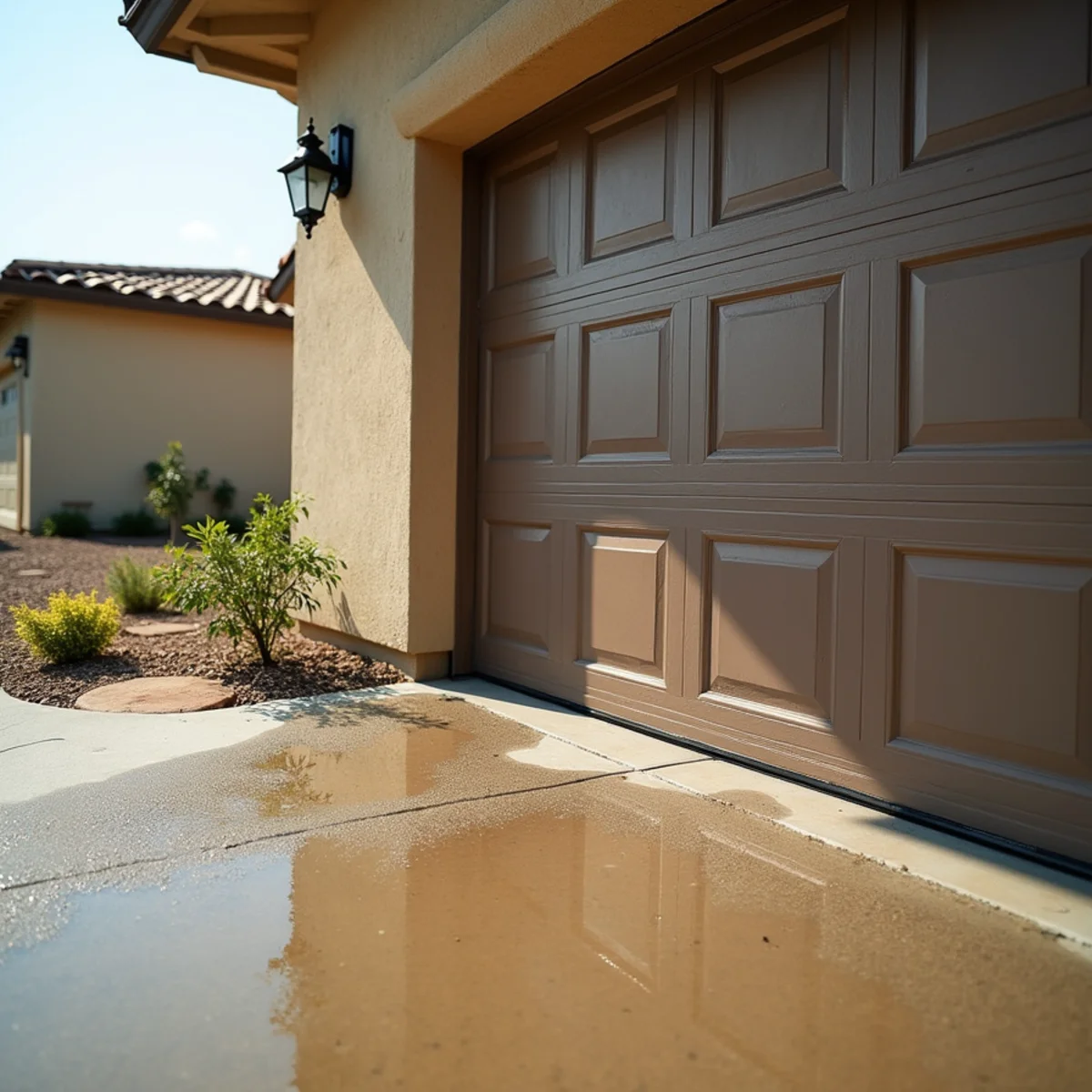
Under the garage door. By a wide margin the most common entry point. Garage slabs sit low, the door seal is the weakest part of the envelope, and from the garage it moves under the shared wall into the hallway or laundry.
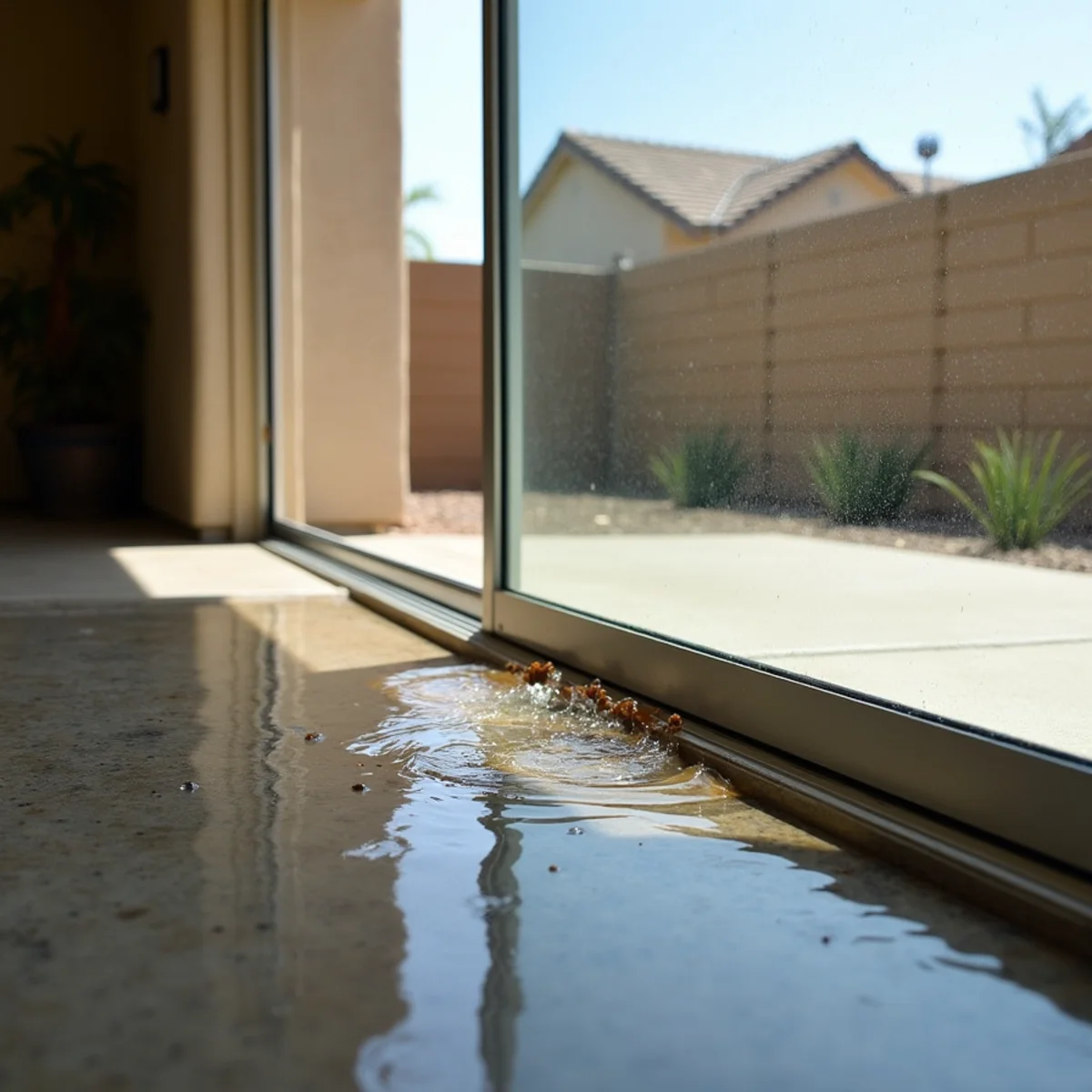
Over a slider threshold. When a patio drain backs up, water pools against the door track. Rear-yard sliders in the flatter tracts are repeat offenders.
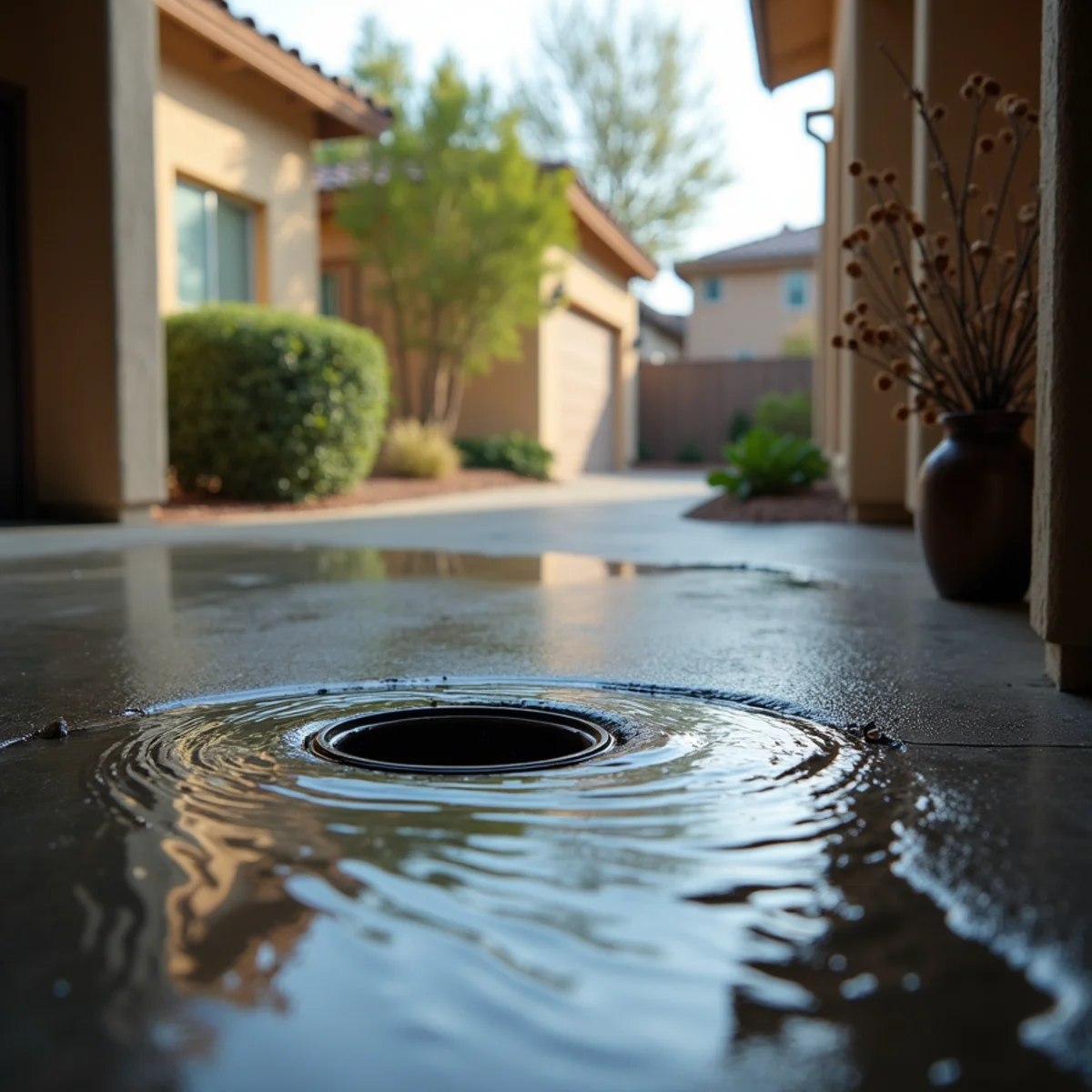
Backflow from a floor drain or shower. When the sewer system surcharges during heavy inflow, the lowest fixture in the house is where it surfaces — and that is Category 3 water.
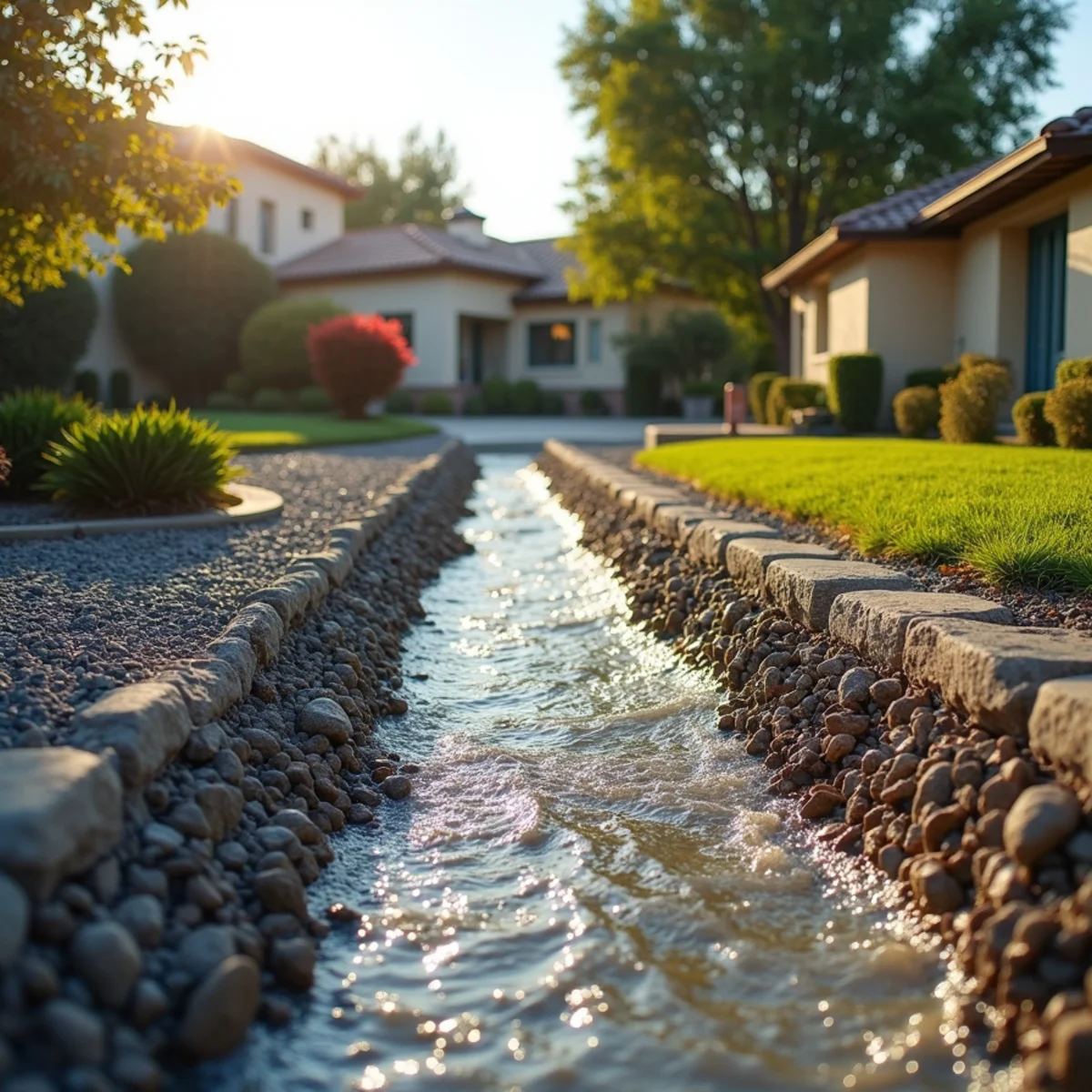
Sheet flow from uphill. In Canyon Hills and the sloped pockets, water crossing from neighbouring lots arrives with volume and speed.
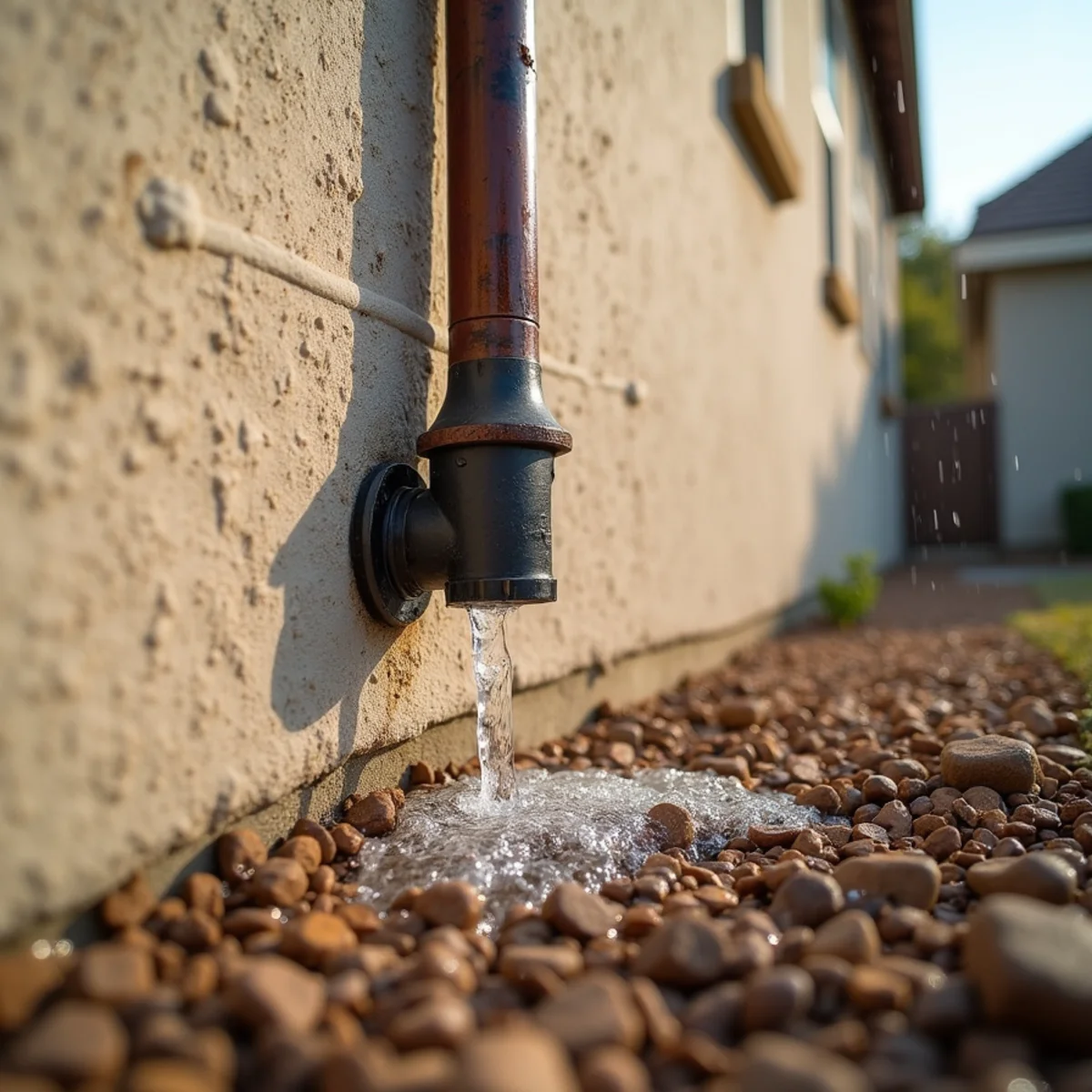
Through a wall penetration. Hose bibs, dryer vents, and utility entries with failed sealant let wind-driven rain in directly.
Why Menifee's geography makes it worse
Much of the city is former ranch land that was graded flat for development. Flat ground means water sheets rather than channels — it spreads out across a wide front and arrives at many structures at once instead of running down one path.
The southern and eastern edges do have terrain, and there water channels instead, arriving fast at whatever sits downhill. Newer master-planned tracts have engineered drainage designed for this. Older pockets in Quail Valley, Homeland, and Romoland frequently do not.
The pre-season checklist
Do this in June, before the first cell.
- Clear gutters and downspouts, and check that downspouts discharge well away from the foundation rather than straight down beside it.
- Flush yard and area drains. They silt up quietly over a year. A blocked drain during a monsoon cell is worse than no drain, because water ponds where it was meant to leave.
- Check the garage door seal. A worn bottom seal is a ten-minute replacement and it is the single most effective flood prevention item on this list.
- Walk the grade. Soil settles over years. Confirm the ground still falls away from the house on every side; a reversed grade sends water back to the slab.
- Clear retaining wall weep holes if you are on a slope. Blocked weeps build hydrostatic pressure behind the wall.
- Know where water goes. During the first real rain, go outside and watch. Learning your lot's drainage pattern beats guessing about it.
The insurance reality
This is the part that catches people every season: standard homeowners insurance does not cover flooding from surface water. Rising water and mudflow are excluded, and that is exactly what monsoon flooding is.
Three things to check before you need them:
- Whether you carry a sewer and drain backup endorsement. It is usually inexpensive and it covers the backflow scenario, which is separate from surface flooding.
- Whether a flood policy — NFIP or private — makes sense for your parcel. A great deal of the flooding we respond to happens well outside mapped FEMA zones, and being outside a zone often makes coverage cheaper rather than unnecessary.
- Your parcel on the FEMA Flood Map Service Center, which is free and takes two minutes.
If water is coming in right now
Do not drive or walk through moving water — that is the actual danger, well ahead of your flooring. Get people and pets to a dry level or a dry room. If you can safely reach the breaker panel, shut off circuits to the affected area.
Then photograph everything, including the flow path outside while it is happening. That footage is far more useful than anything taken after the water recedes, both for your claim and for any conversation about where the water came from.
Why twenty minutes of rain overwhelms drainage that works all winter
Menifee handles winter rain reasonably well and can be badly caught out by a summer cell, and the reason is intensity rather than total volume. A winter storm might deliver an inch over eighteen hours, which drainage designed for this valley absorbs comfortably. A July monsoon cell can deliver a substantial fraction of that in twenty minutes over a very small area.
Ground conditions make it worse. Sun-baked decomposed granite and clay soils that have had no meaningful rain for months do not absorb quickly — the first several minutes of intense rain largely run off rather than soaking in, exactly as it would on paving. The water goes where the grade takes it, which in a tract development means driveways, side yards and garage thresholds.
That is also why the damage is so unevenly distributed. Two streets apart, one house takes water under the garage door and the next block sees nothing at all, because the cell footprint is small and the local grade did the rest.
The garage threshold, and why it is the usual entry point
In the great majority of Menifee monsoon losses we attend, the water came in under the garage door. It is worth understanding why, because it is one of the few genuinely fixable weak points.
Garage slabs are poured close to the driveway grade, the door seal is a rubber strip that flattens and hardens with age and heat, and driveways frequently slope toward the house rather than away from it. Add debris in the gutter line at the threshold and a few inches of fast-moving surface water finds a very easy path indoors. Once it is in, it runs across the slab to the shared wall with the house, and from there into the drywall of whatever room is behind it.
- Check the bottom door seal annually — if it is hard, cracked or no longer compresses against the slab, replace it, which is an inexpensive job
- Keep the threshold and the gutter line at the door clear; a small ridge of accumulated debris redirects water inward
- Look at where your downspouts discharge, because one aimed at a driveway that slopes toward the garage is doing real work against you
- Store anything absorbent — cardboard boxes especially — off the garage floor on shelving or pallets
- If your driveway genuinely slopes toward the house, a threshold dam or a channel drain is worth pricing before the next season
Frequently asked questions
Do I need flood insurance in Menifee?
It is worth pricing. Rainfall totals here are low but rainfall intensity is not, and a lot of the flooding we respond to is outside mapped FEMA zones — which usually makes a policy cheaper, not unnecessary. Check your parcel on the FEMA Flood Map Service Center and get a quote before deciding.
Why does a dry city flood so easily?
Because dry, sun-baked soil absorbs almost nothing. Hardpan behaves closer to pavement than to garden soil, so a short intense cell produces nearly total runoff. Long dry spells make the next storm worse, not better.
Is water that came in under the garage door contaminated?
Yes. Anything that crossed soil, a driveway, or a street is Category 3 regardless of how clear it looks. It needs containment, removal of porous materials, and disinfection rather than a wet vac.
Water came in under the garage door. Is that a flood claim or a regular claim?
It depends on the mechanism, and the distinction matters because standard homeowner policies exclude flood. Surface water arriving from outside is generally treated as flood and needs separate flood coverage; water backing up through a drain may fall under a sewer and drain endorsement if you carry one. Photograph how the water arrived, because that evidence is what the determination turns on. We document it as part of the inspection either way.
Is it worth carrying flood insurance in Menifee if I am not in a mapped flood zone?
That is a question for an insurance professional rather than a restoration contractor, and the answer depends on your specific property, grade and lender requirements. What we can tell you factually is that a meaningful share of the monsoon losses we attend are at addresses outside mapped flood zones, because flash flooding follows local grade rather than mapped watercourses.