Seasonal & Weather
Santa Ana Winds and Water Damage: What Menifee Homeowners Miss
The wind event is not the loss. It is the setup. Here is the ten-minute inspection that prevents the ceiling repair three months later.
The short answer
Santa Ana winds do not cause water damage directly — they create the openings the next storm comes through, often months later. Gusts of 40 to 60 mph lift tile and break shingle seals at ridges, hips and eaves, exposing the underlayment that actually keeps water out. Inspect within a day or two of any significant wind event.
Santa Ana events do not cause water damage. They cause the openings that water damage comes through two months later, which is exactly why the connection gets missed.
A homeowner sees a windy night, notes nothing broken, and moves on. In February the ceiling stains, and the wind never enters the explanation.
What the wind actually does to a roof
Santa Ana conditions run roughly September through April, driven by high pressure over the Great Basin pushing dry air down through the passes and out across the Inland Empire. Gusts of 40 to 60 mph are routine and higher is not unusual.
The damage is not from the wind pressing on the roof. It is from uplift — air accelerating over the roof edge creates low pressure above the surface, effectively sucking materials upward. That force concentrates at ridges, hips, rakes, and eaves.
On a tile roof, uplift lifts individual tiles and sets them back down slightly out of position, or cracks them at the fastener. On asphalt shingle, it breaks the thermal seal between tabs so they no longer lie flat. In both cases the visible surface can look almost normal from the driveway while the weatherproofing underneath is now exposed.
Why Menifee roofs are already vulnerable
The wind arrives at a roof that has been softened up all summer.
Intense UV at this latitude degrades asphalt binder and dries out underlayment. Thermal cycling does the rest — a tile surface can hit 150°F on an August afternoon and drop to 60°F overnight, expanding and contracting every single day. Fasteners work loose. Sealant at flashings cracks. Mortar at ridge and hip lines crumbles.
Add that many original roofs on Menifee Lakes, Sun City, and Quail Valley homes are at or past their design life, and a routine wind event finds plenty to work with. Much of the "storm damage" we tarp is really an old roof meeting an ordinary September gust.
The ten-minute post-wind inspection
Do this from the ground the day after a significant event. You do not need to climb anything.
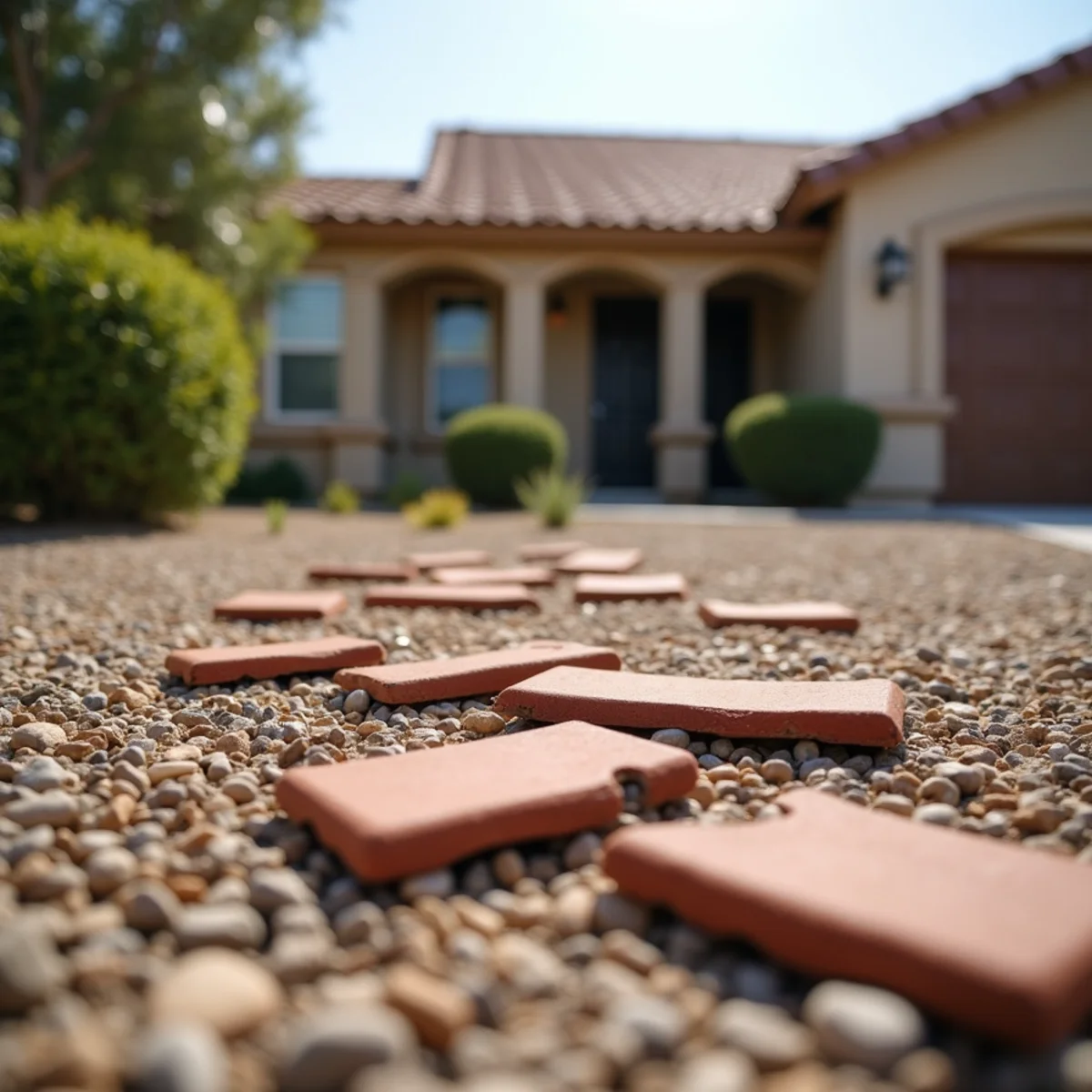
Walk the perimeter and look down. Tile fragments or a pile of asphalt granules where a downspout discharges means material has moved. Granules are the shingle's UV protection — losing them in quantity means the shingle is at end of life.
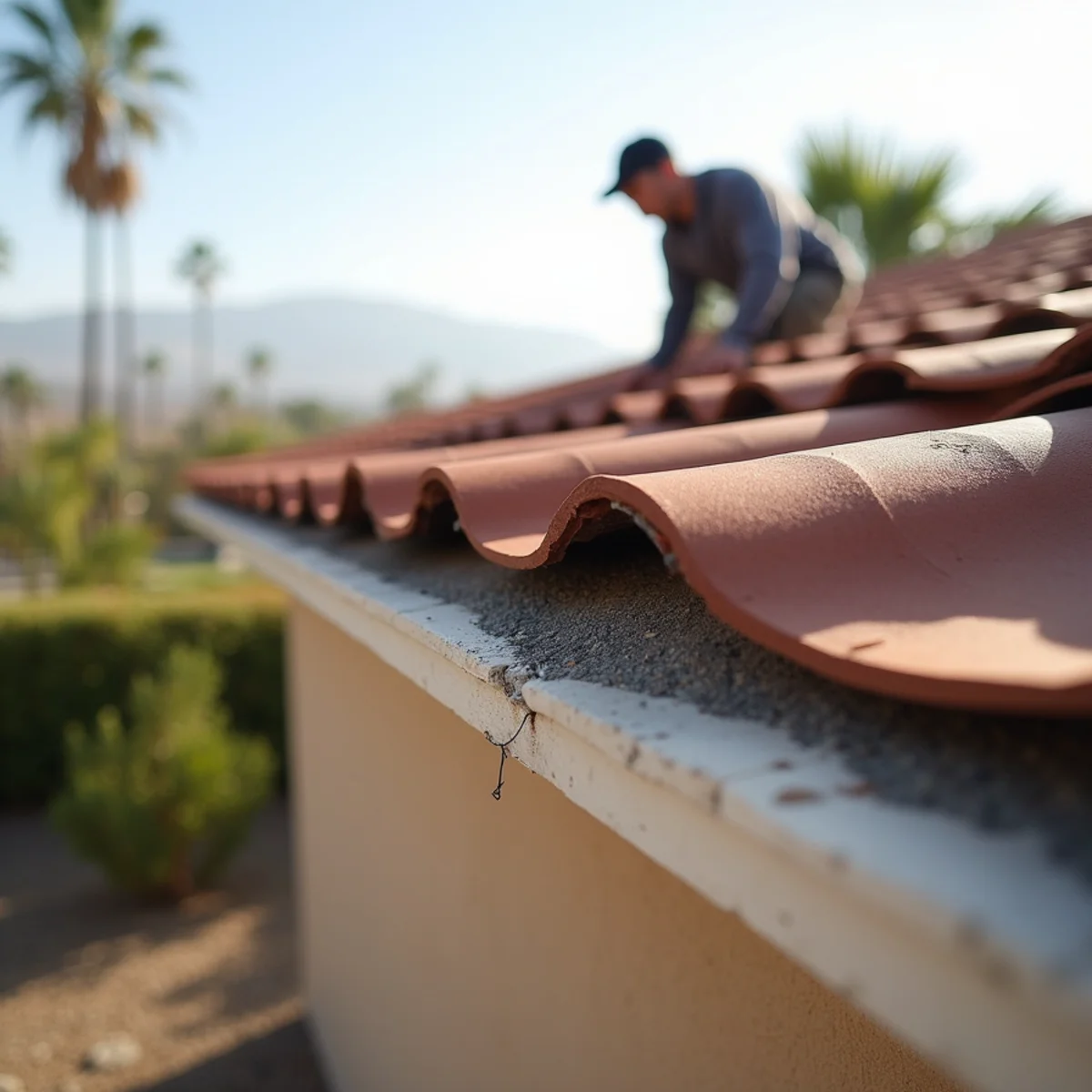
Look up at the ridge and hip lines. Cap tiles or ridge shingles sitting out of alignment, or a visible gap, are the highest-priority finding. That is where wind-driven rain enters directly at the peak.
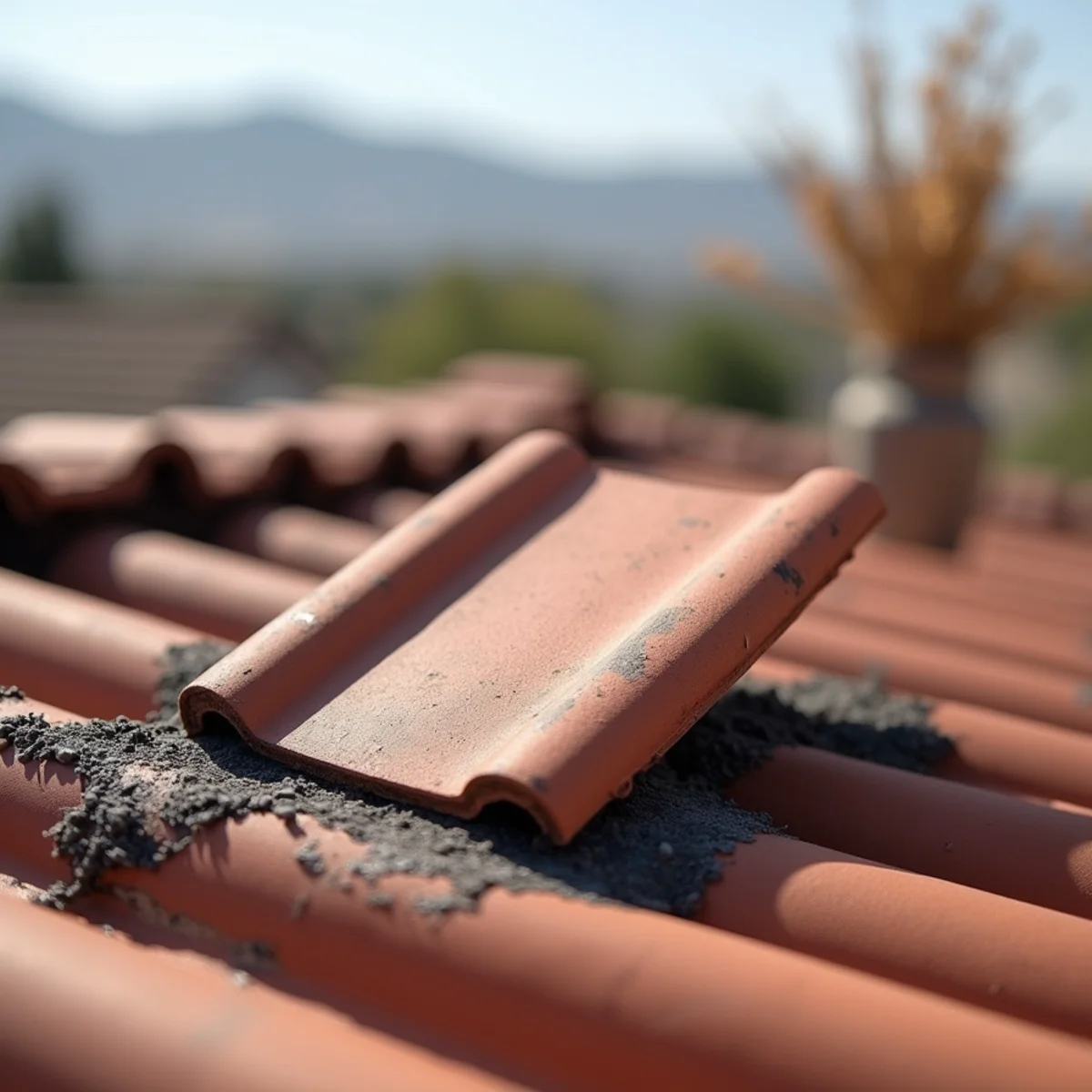
Scan the field of the roof for anything out of line. A tile sitting slightly proud of its neighbours, or a shingle tab standing up rather than lying flat, is a breach.
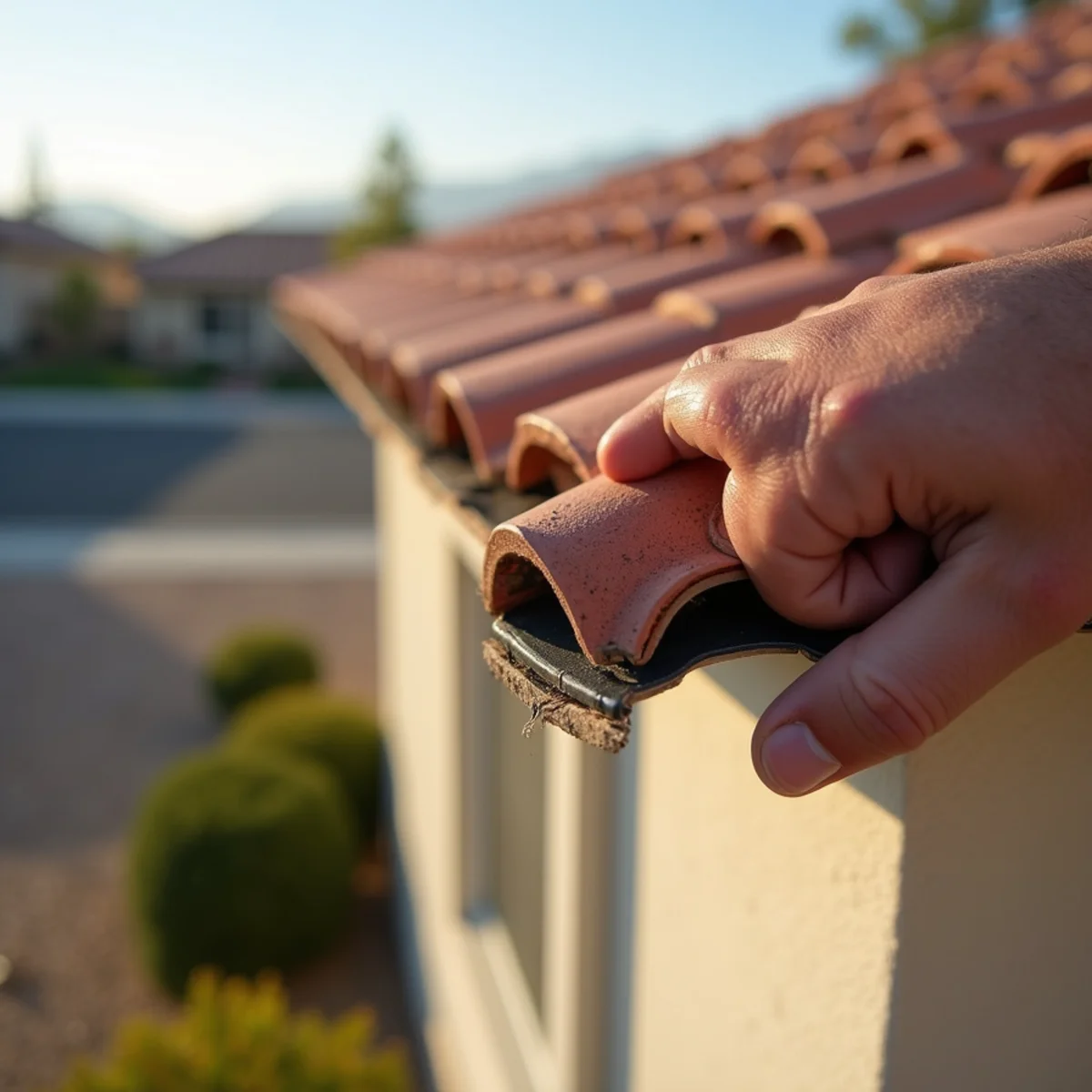
Check the eaves and rakes. These edges take the highest uplift. Look for lifted starter courses and missing edge tiles.
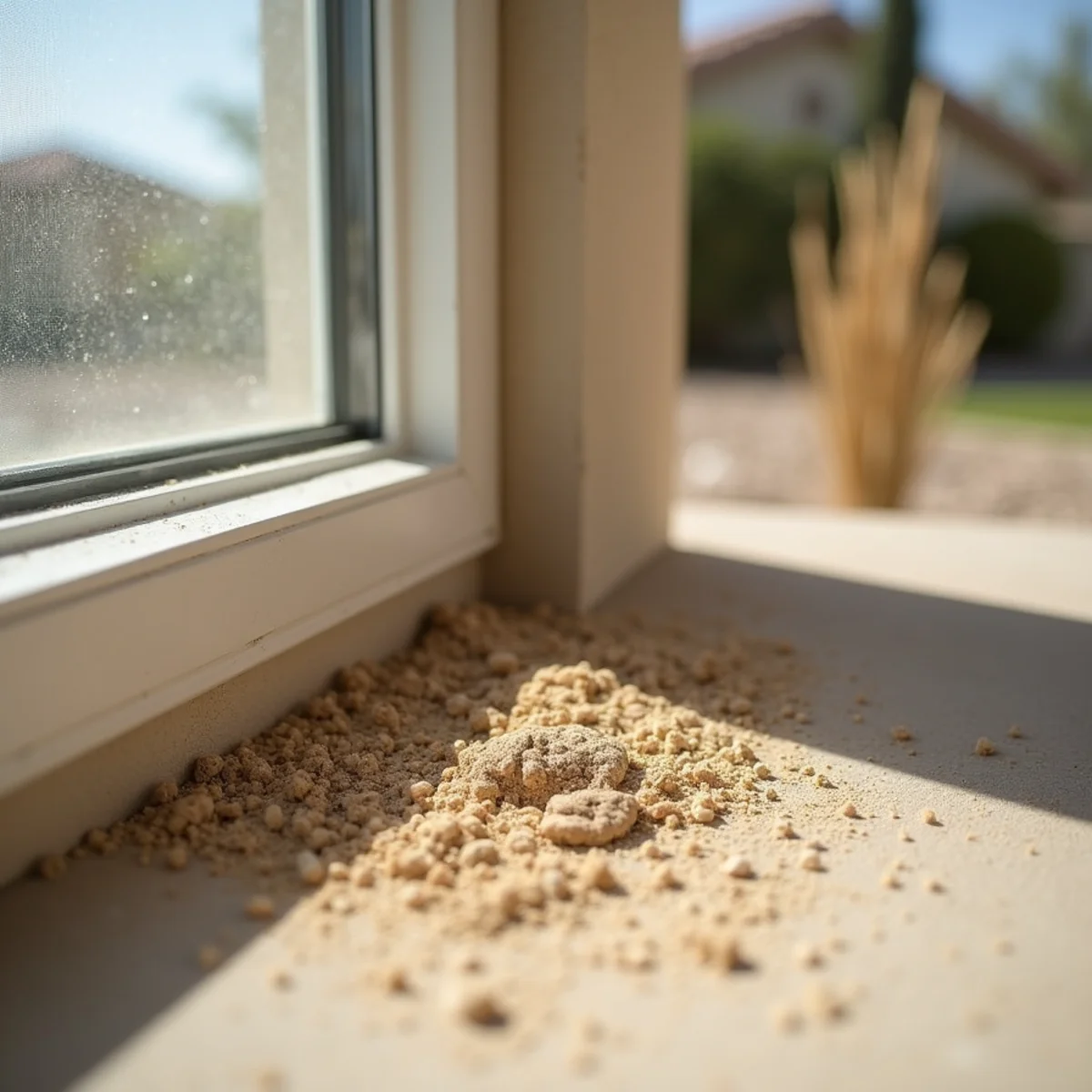
Check window and door tracks for packed dust. Santa Ana events carry fine grit that blocks the weep holes at the bottom of window frames. Blocked weeps mean the next rain backs up inside the frame instead of draining out.
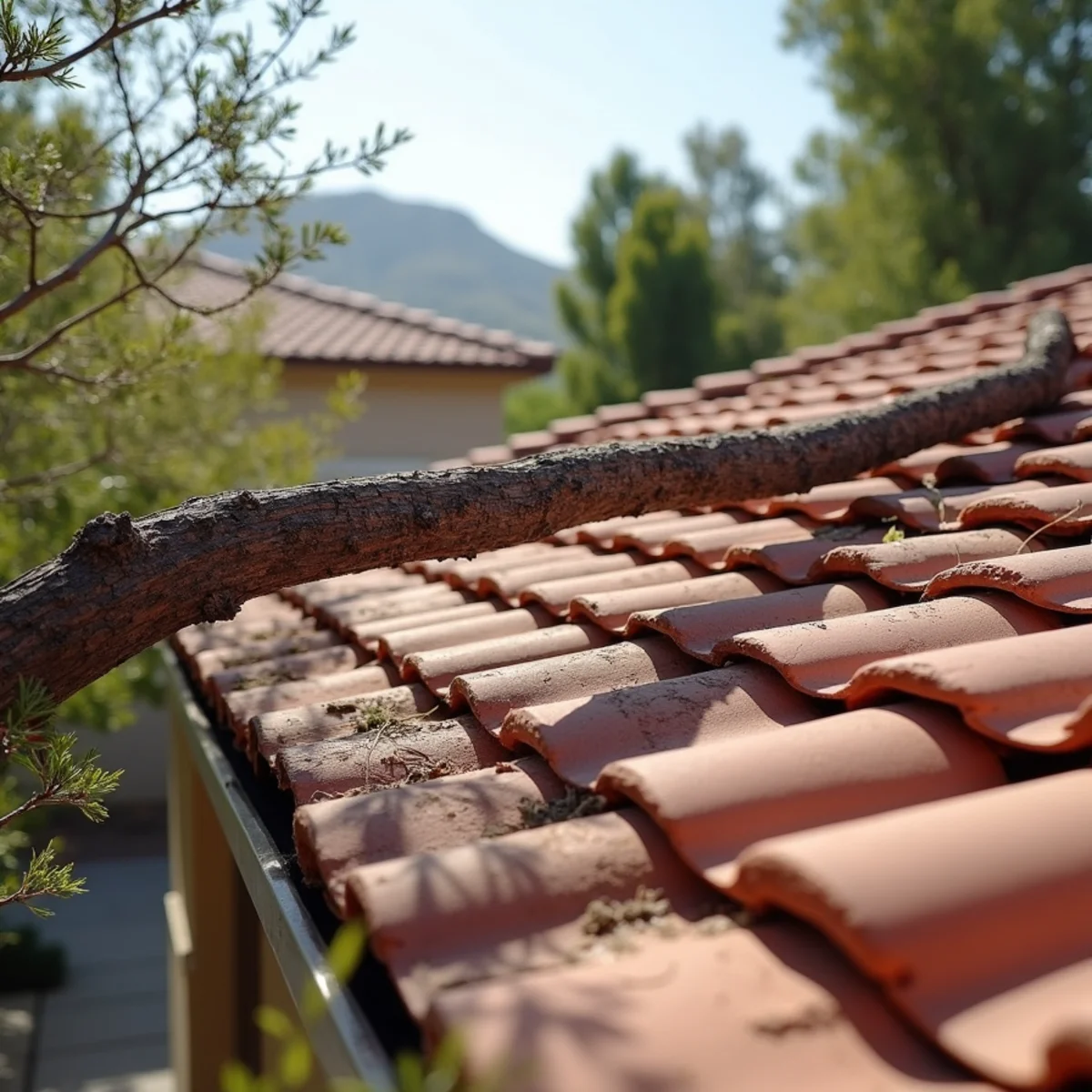
Look at anything resting on the roof. A branch that did not puncture anything is still abrading the surface every time the wind moves it.
The attic check that finds what the ground cannot
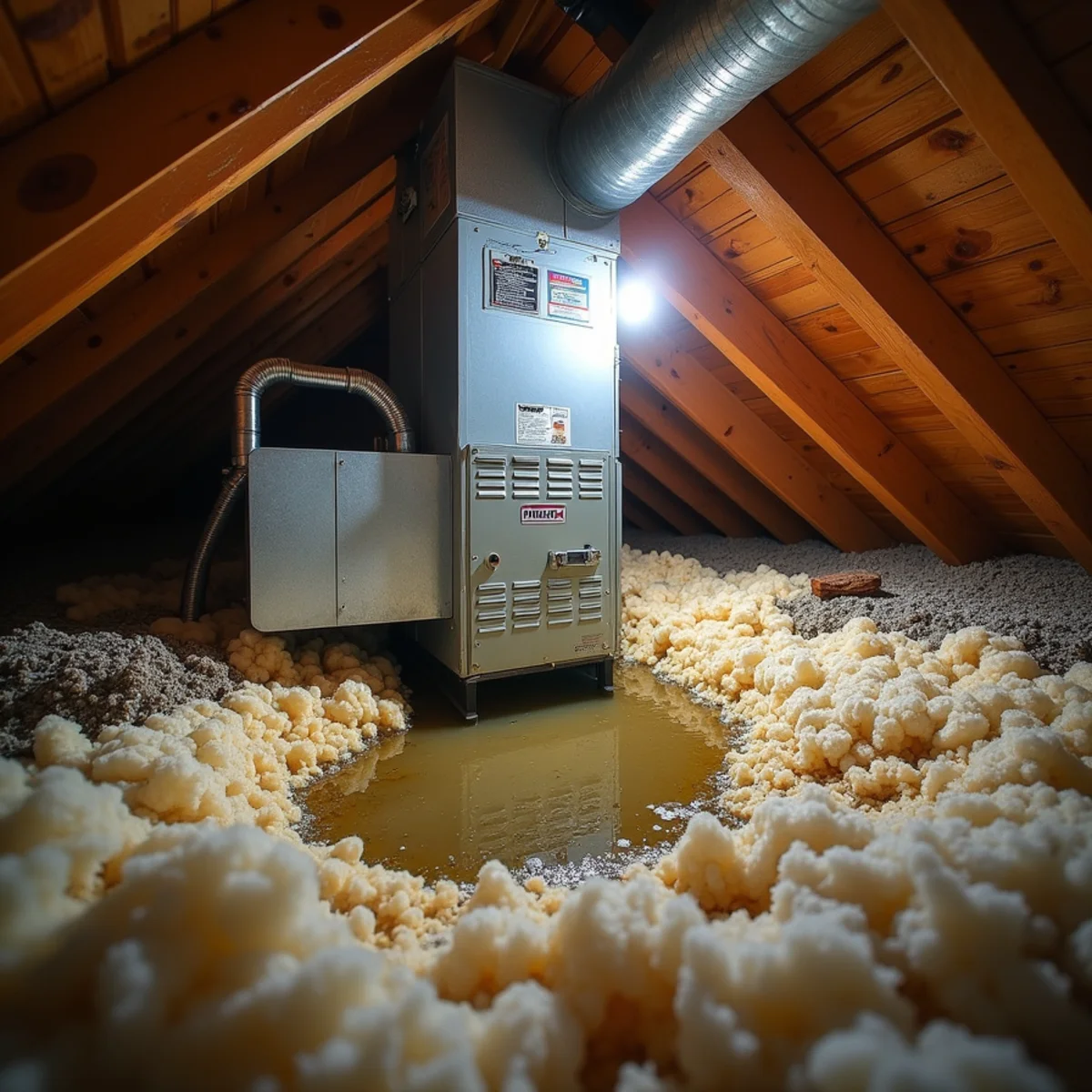
Go into the attic mid-morning on a bright day and turn your flashlight off. Any pinpoint of daylight is a hole. Then look at the sheathing for dark staining and at the insulation for anything matted or compressed — both are the record of past wetting.
Rusty nail tips protruding through the deck are another tell. That rust came from moisture, repeatedly.
The dust angle nobody thinks about
Santa Ana events move enormous quantities of fine desert dust, and it gets everywhere — including two places that matter for water damage.
The first is window weeps, covered above. The second is your air conditioning. Dust drawn across the evaporator coil and into the condensate system is a leading cause of the clogs that overflow drain pans into attics and ceilings. If you get a ceiling stain in August with an intact roof, the wind may still be responsible — indirectly, through your AC. That mechanism is covered in AC condensate drain line maintenance.
If you do find damage
Photograph it before anything is touched. Wind claims turn on cause, and carriers look hard at whether an aging roof simply failed on its own. Images of fresh breaks, lifted courses, and debris in the yard, dated to the event, are what separate a covered wind claim from a denied maintenance claim.
Then get it covered before the next rain. Emergency tarping is inexpensive, it is what your policy expects you to do to prevent further damage, and it is the difference between a roof repair and a roof repair plus an attic, a ceiling, and a room of flooring. Our storm damage restoration and roof leak water damage pages cover both phases.
The seasonal rhythm worth adopting
- Late summer, before September: clear gutters and downspouts, trim branches back from the roof, and have the roof inspected if it is over fifteen years old.
- After each significant wind event: the ten-minute ground inspection above.
- Before the first winter storm: clear window weeps, check the attic for daylight, and confirm the grade around the house still falls away from the foundation.
The delay is the whole problem
Wind damage and water damage are almost never the same event here, and that gap is what makes Santa Ana losses so expensive. The wind arrives on a bright, dry day. Nothing leaks, nothing stains, nothing looks wrong from the ground, and everybody moves on. The water arrives with the first real rain, which might be six weeks later.
By then the connection between the two is no longer obvious to the homeowner, and — more importantly — it is no longer obvious to a carrier. A ceiling stain appearing in December after a wind event in October invites the question of whether the roof was simply worn out, which is the distinction between a covered sudden event and an excluded maintenance issue.
The practical consequence is that the most valuable thing you can do after a wind event is create a dated record that nothing was wrong, or that something was. Photographs of the roof line taken from the ground the day after the wind, with the date attached, cost nothing and are worth a great deal if you end up arguing about causation in three months.
What to do with damage you find but cannot afford to fix yet
A displaced tile or a lifted shingle section found in October is a real problem, and roofing is not always something that can be scheduled immediately. That does not mean the only options are fix it now or wait and see.
- Photograph it, dated, from the ground and from the attic side if you can reach it safely
- Get it inspected and get the finding in writing, even if you are not booking the repair yet — a dated professional observation is strong evidence of when the damage occurred
- Have it temporarily covered before the first forecast rain rather than after it; a tarp is inexpensive and it demonstrates that you mitigated
- Tell your carrier about the wind damage when you find it, not when it leaks — reporting an event is not the same as filing a claim, and it establishes the timeline
- Check the attic after the first heavy rain regardless, because a repair that looked adequate from the ground may not be
Frequently asked questions
My roof looks fine after the wind. Am I clear?
Not necessarily. Most Santa Ana roof damage is not visible from the ground — a tile that lifted and settled back into place, or a shingle whose seal broke, looks normal until it rains. The attic check for daylight and staining is the more reliable test.
Is Santa Ana wind damage covered by insurance?
Wind is a covered peril on essentially every homeowners policy. The dispute is over cause: carriers scrutinize whether an old roof failed on its own. Dated photographs of fresh damage taken before any repair are what settle it.
When is Santa Ana season?
Roughly September through April, with the strongest events typically between October and February. That is also when you should be most alert to roof condition, because the winter storms that exploit any opening follow immediately behind.
The leak appeared months after the wind. Can I still connect the two?
Yes, and it is worth doing, because the cause determines coverage. What makes the connection credible is documentation from the time — dated photographs after the wind event, a roofing inspection report, or a record that you notified your carrier of wind damage when you found it. Without any of those the argument becomes your recollection against an adjuster question about ordinary wear, which is a much weaker position.
Should I get on the roof myself to check after a wind event?
We would rather you did not, and on a tile roof in particular you can easily do more damage walking on it than the wind did. The ten-minute ground-level inspection with binoculars, plus a look in the attic with a torch during daylight, finds most of what matters. If those turn up anything questionable, that is the point to have somebody with fall protection go up.