Forty-plus years of service is a long time for supply lines, sewer laterals, and everything in between.
Water damage risks specific to Homeland
Every neighborhood in this region fails in its own way, and it is usually predictable from the construction era and the terrain. Here is what we actually respond to here.
1Supply lines four decades into service
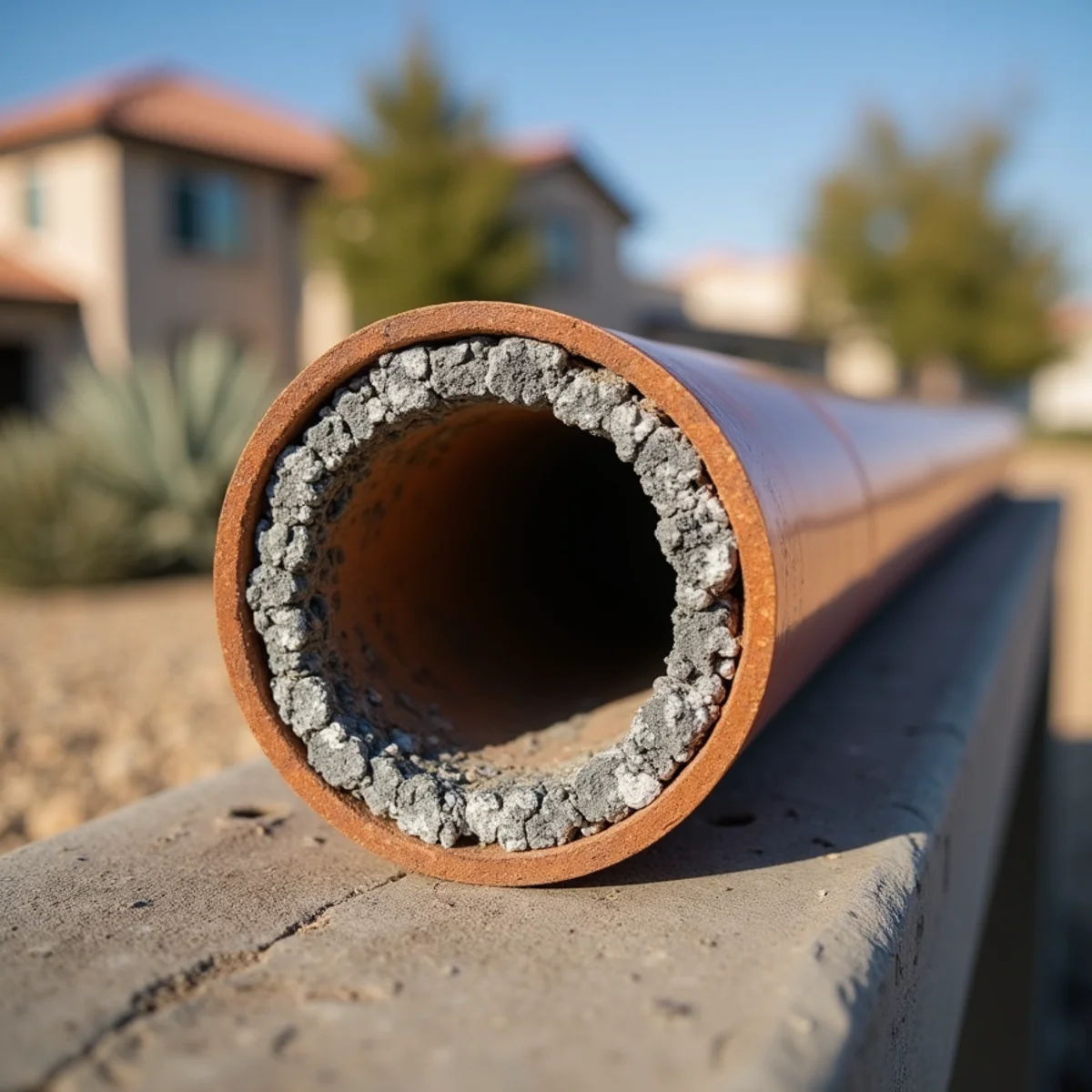
Homes of this era were plumbed in galvanized steel or early copper. Both are well past their design life, and four decades of mineral-rich EMWD water has been working on them the entire time. Failures here tend to be sudden rather than gradual.
2Mature trees over aging sewer laterals
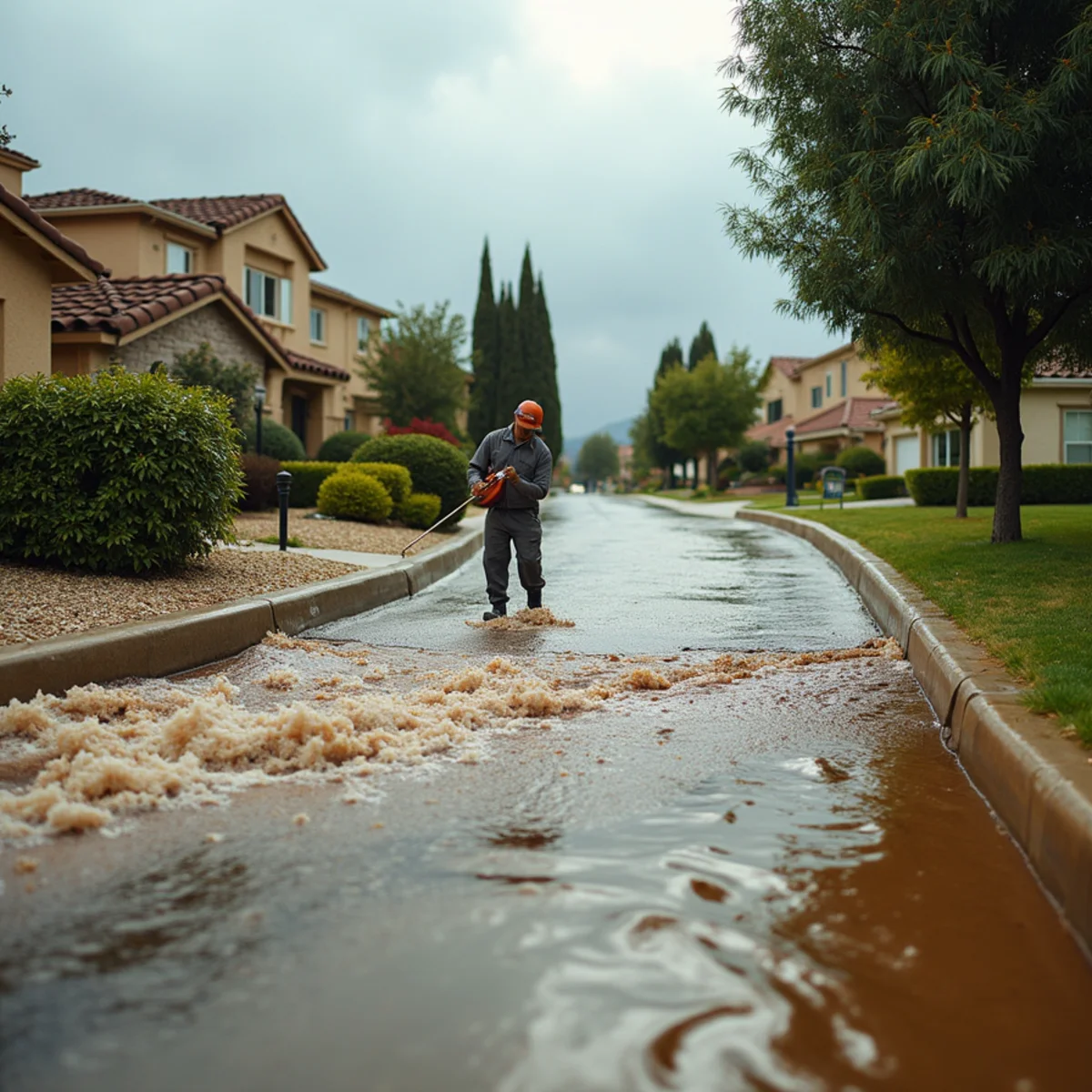
The large established trees on these lots have had forty years to find the joints in clay and cast iron sewer lines. Root intrusion causes recurring blockages that clear and return, and eventually a backup that arrives as contaminated water in the lowest fixture.
3Larger lots with long irrigation runs
The rural roots of this area mean bigger parcels and more buried irrigation. A broken lateral near the house can saturate soil at the slab edge for weeks with nothing visible except unusually good grass.
4Outbuildings and detached structures
Detached garages, workshops, and storage buildings on these properties typically have simpler roofing and drainage. They also have nobody inside to notice a leak, so damage compounds before discovery.
The housing stock we work in Homeland
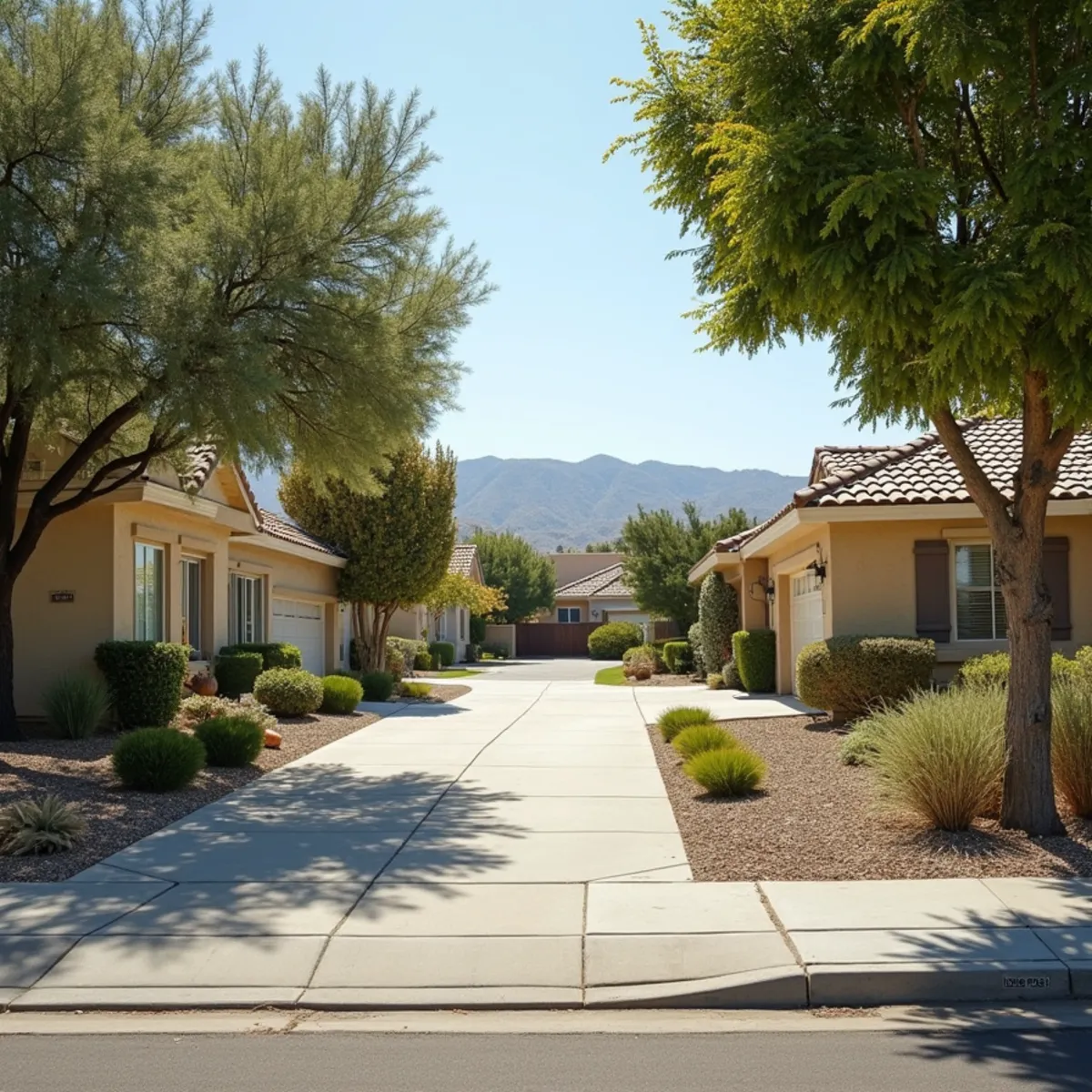
Single-family homes predominantly from the 1970s and 1980s on generously sized lots with mature trees, plus some newer infill. A mix of slab and raised-floor construction, original or first-replacement supply plumbing in most homes, and original sewer laterals in the majority. Some properties retain well or septic service.
Local landmarks
Homeland community areas · Highway 74 corridor
Services we run most often in Homeland
Every service we offer is available here. These are the ones this area calls for most, based on what actually breaks in these homes.
- Burst Pipe & Slab Leak RepairThe failure Menifee sees most: pinholed copper under a slab. We find it, dry it, and put the floor back.
- Sewage Cleanup & SanitizationCategory 3 water done properly: containment, PPE, removal of porous materials, and verified sanitization.
- Water Damage RestorationFull-scope extraction, structural drying, and repair — one crew from the first moisture reading to the last coat of paint.
- Leak Detection & Moisture InspectionFind it before it becomes a claim. Acoustic and thermal detection that pinpoints the leak without opening walls.
- Water Damage Repair & ReconstructionDrying is half the job. We put the house back — drywall, texture, flooring, cabinetry — so the repair does not show.
Why Homeland homeowners call us
Forty-plus-year-old systems under mature trees. Two facts that shape almost every call we take here.
10 to 15 minutes from the shop
Homeland sits close to our Palomar Road base, which matters because failures in supply lines of this age tend to be sudden rather than slow.
We identify the pipe material first
Homes from the 1970s and 1980s carry galvanized steel or early copper, both well past design life. Which one you have changes whether we are talking about a repair or a repipe conversation, and we would rather tell you honestly.
Mature trees mean we check the lateral
Four decades is plenty of time for roots to find the joints in clay or cast iron. If your drains have been slow and clearing them keeps working temporarily, that is the answer.
We handle wells, septic and larger parcels
The rural roots of this area mean private systems, long irrigation runs and outbuildings. All three fail differently to a city-serviced tract home and we scope them that way.
Getting to you in Homeland
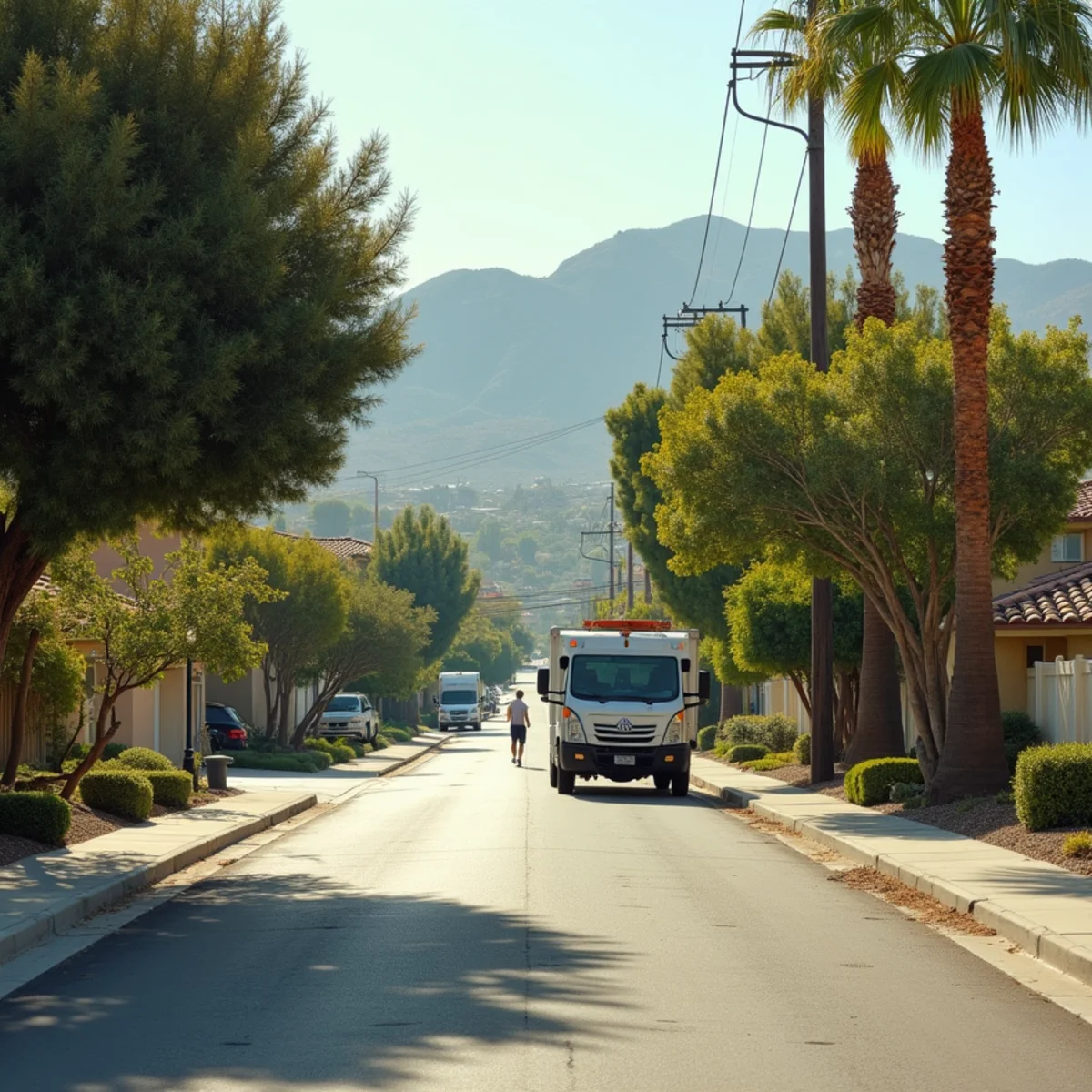
Ten to fifteen minutes, straight along the Highway 74 corridor.
Highway 74 is the route in
Access is simple and quick, and the 92548 and 92585 parts of Homeland are both comfortably inside the band. This is one of the areas where our arrival time barely changes between a quiet night and a weekday afternoon.
Slab and raised foundations both appear here
Homeland is genuinely mixed on foundation type, and that is the first thing we establish. A raised foundation with a crawl space needs a sub-floor inspection that a slab job does not, and skipping it is how water sits under a house for weeks after the visible rooms have been dried.
Mature trees and large lots mean root and irrigation issues
The generous lots and established landscaping here produce a steady share of calls that turn out to be irrigation or root-related rather than plumbing. We check the exterior as part of the standard inspection here rather than treating it as a special case.
If you own a Homeland home with original plumbing and big trees near the sewer line, two inspections are worth more than any insurance: a moisture survey of the supply system and a camera run down the lateral. Both are inexpensive, and both catch problems while they are still cheap.
Homeland questions we get asked
How long do supply pipes actually last?
Galvanized steel is typically 40 to 50 years, and often less in mineral-rich water. Copper commonly runs 50 to 70 years in ideal conditions but starts pinholing at 25 to 40 in this valley. Homes built here in the 1970s and 1980s are at or past those numbers.
Do I need to worry about tree roots in my sewer line?
On a forty-year-old lateral with mature trees nearby, yes. The signs are recurring slow drains, gurgling when the washer discharges, and blockages that clear and come back. A camera inspection settles it and costs far less than a backup cleanup.
Do you serve properties on well and septic out here?
Yes. Well pressure tank failures, pump house flooding, and septic backups all show up in this part of Menifee, and each needs a different response than a city-service home would get.
My Homeland drains keep backing up. Is that the sewer line?
On a forty-year-old lateral with mature trees nearby, very likely root intrusion. The signature is blockages that clear and then return within months, gurgling when the washing machine discharges, and several slow drains at once rather than one. A camera inspection settles it definitively and costs far less than the backup cleanup it prevents.