Sewage cleanup in Menifee is Category 3 remediation, not cleaning. Sewer backups and septic failures carry bacteria, viruses and parasites into porous materials that cannot be disinfected in place, so those materials are removed and disposed of under regulated waste rules. We contain, extract, strip, disinfect, verify and rebuild — available 24/7.
Category 3 water carries bacteria, viruses, and parasites. It soaks into porous materials that cannot be disinfected — carpet pad, drywall, particle board, upholstered furniture — and those materials have to come out, not be cleaned. Handled wrong, a shop vac and a mop spread pathogens through the rest of the house and put your family and pets at real risk.
We handle sewage losses under full Category 3 protocol: containment, negative air, protective equipment, removal and regulated disposal, then disinfection and verified drying. We answer 24/7, and this is a call you should make immediately.
What you are dealing with
Any of these is a Category 3 loss regardless of how it looks or how much water is involved.
Backup at the lowest fixture
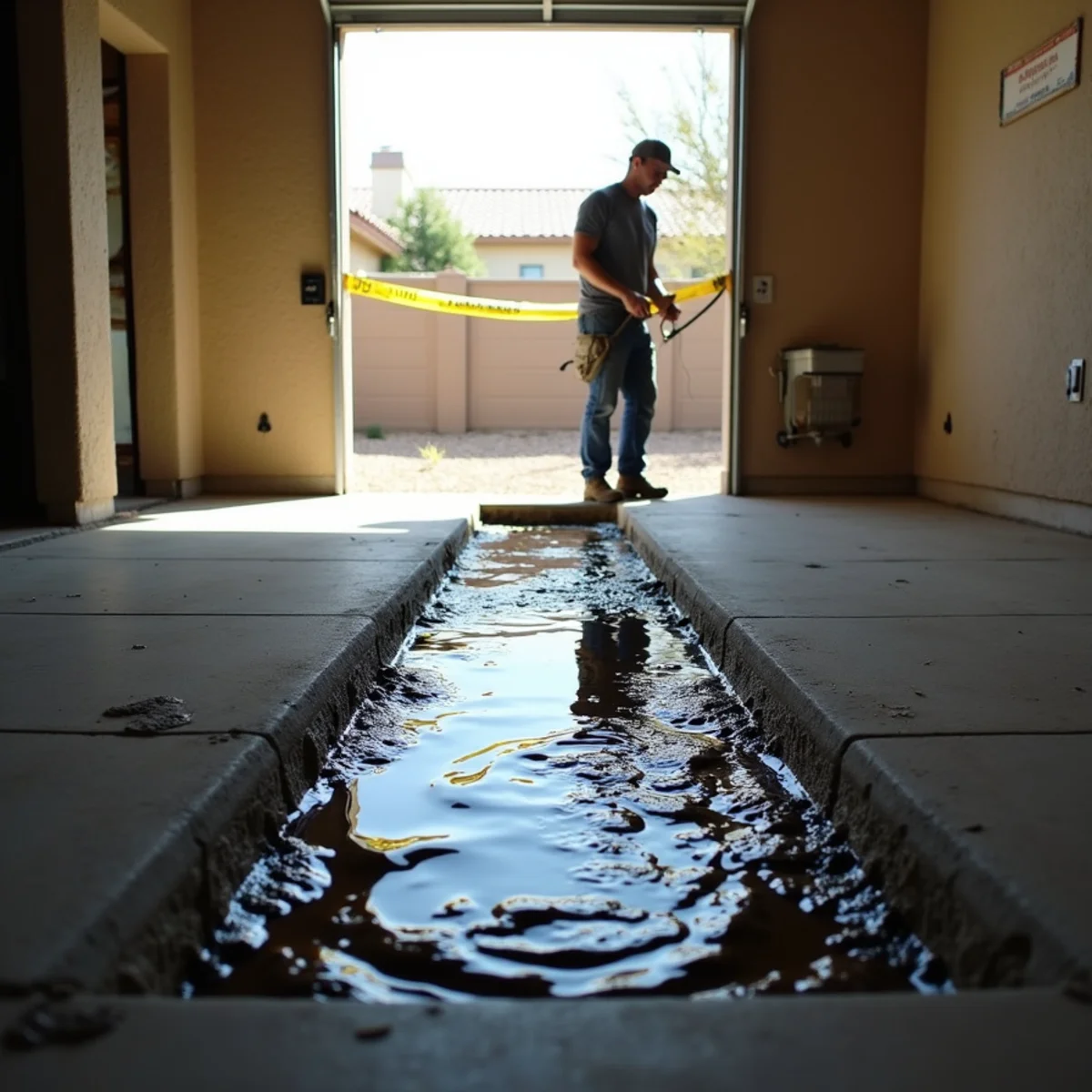
A main line blockage surfaces at the lowest drain in the house — a shower pan, a floor drain, a downstairs toilet. If it comes up when you run a different fixture, the main is blocked.
Toilet overflow that carried waste
Clean water from a running supply is Category 1. The moment waste is involved it is Category 3, and the flooring it reached is not salvageable.
Multiple slow drains at once
One slow drain is a fixture problem. Several at once, or gurgling when the washer discharges, means the problem is downstream in the main.
Septic surfacing in the yard
Soggy ground or odor over the leach field in the rural pockets of Romoland, Homeland, Winchester, or Quail Valley means the system is failing and can back up indoors next.
Sewer odor with no visible water
A persistent sewer smell can mean a broken line under the slab discharging into the soil beneath your house. It needs a camera inspection, not an air freshener.
What a sewage cleanup job includes
Every step here exists to keep contamination inside the affected zone. None of it is optional and all of it is in one scope.
Sealed containment and negative air
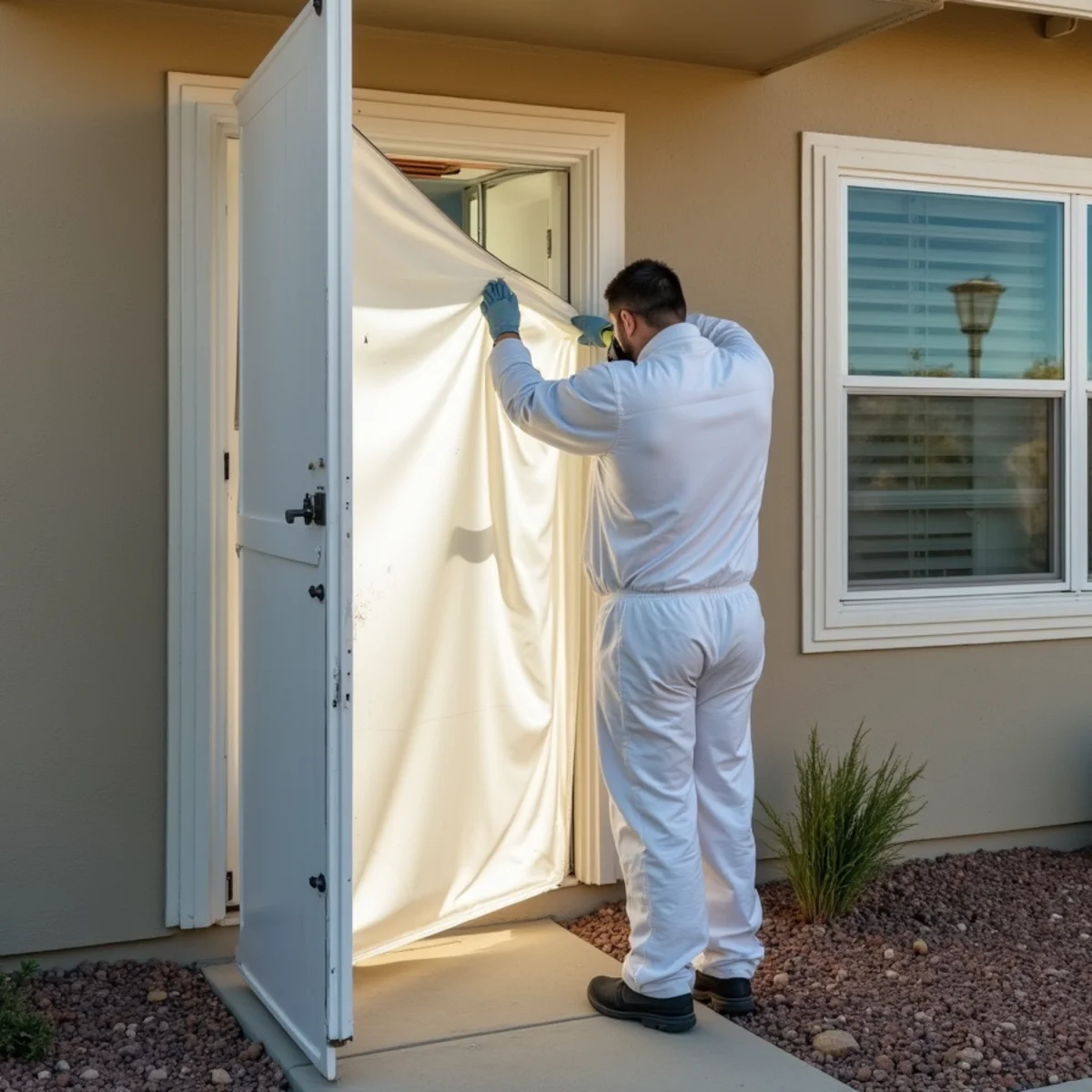
Poly barriers isolate the area and negative air machines with HEPA filtration hold it under negative pressure, so contaminated air cannot migrate into clean parts of the property. This goes up first.PPE extraction with dedicated equipment
Crews work in full protective equipment, and the extraction gear used on Category 3 water is never used on clean-water losses. Cross-contamination between jobs is a real risk and we do not take it.Removal and regulated disposal of porous materials
Carpet, pad, affected drywall, insulation and particle board are cut out, bagged inside containment and disposed of under regulated waste handling. Nothing porous that absorbed Category 3 water goes back in.Disinfection, verified drying and rebuild
Every remaining surface — framing, subfloor, slab — is cleaned and treated with an EPA-registered antimicrobial, then dried with daily logged readings. Containment stays up until the space verifies clean and dry.
Sewage risks specific to Menifee
Menifee's wastewater infrastructure is uneven, because the city assembled itself from separate communities in 2008. The newer master-planned tracts — Audie Murphy Ranch, Heritage Lake, Spencer's Crossing — have modern engineered sewer systems on EMWD collection. Their risk is mostly what goes down the drain: family neighborhoods flush a lot of "flushable" wipes, and those wipes are the leading cause of residential main line blockages nationwide.
Older areas are a different picture. Parts of Quail Valley, Homeland, and Romoland have older sewer connections or remain on septic. Clay and older lines in mature landscaping are vulnerable to root intrusion — the trees that make those streets pleasant are the same trees finding the joints in the pipe.
Mineral scale is the quiet contributor across the whole city. Hard water leaves deposits inside drain lines just as it does in a water heater, narrowing the effective diameter over decades. A line that handled the load fine in 1995 has less room in it now, and it blocks on things that would once have passed.
Monsoon season adds the last variable: heavy inflow can surcharge the system, and when that happens, backflow surfaces in the lowest fixtures of the lowest homes.
Category 3 cleanup protocol
Every step here exists to keep contamination inside the affected zone. None of it is optional.
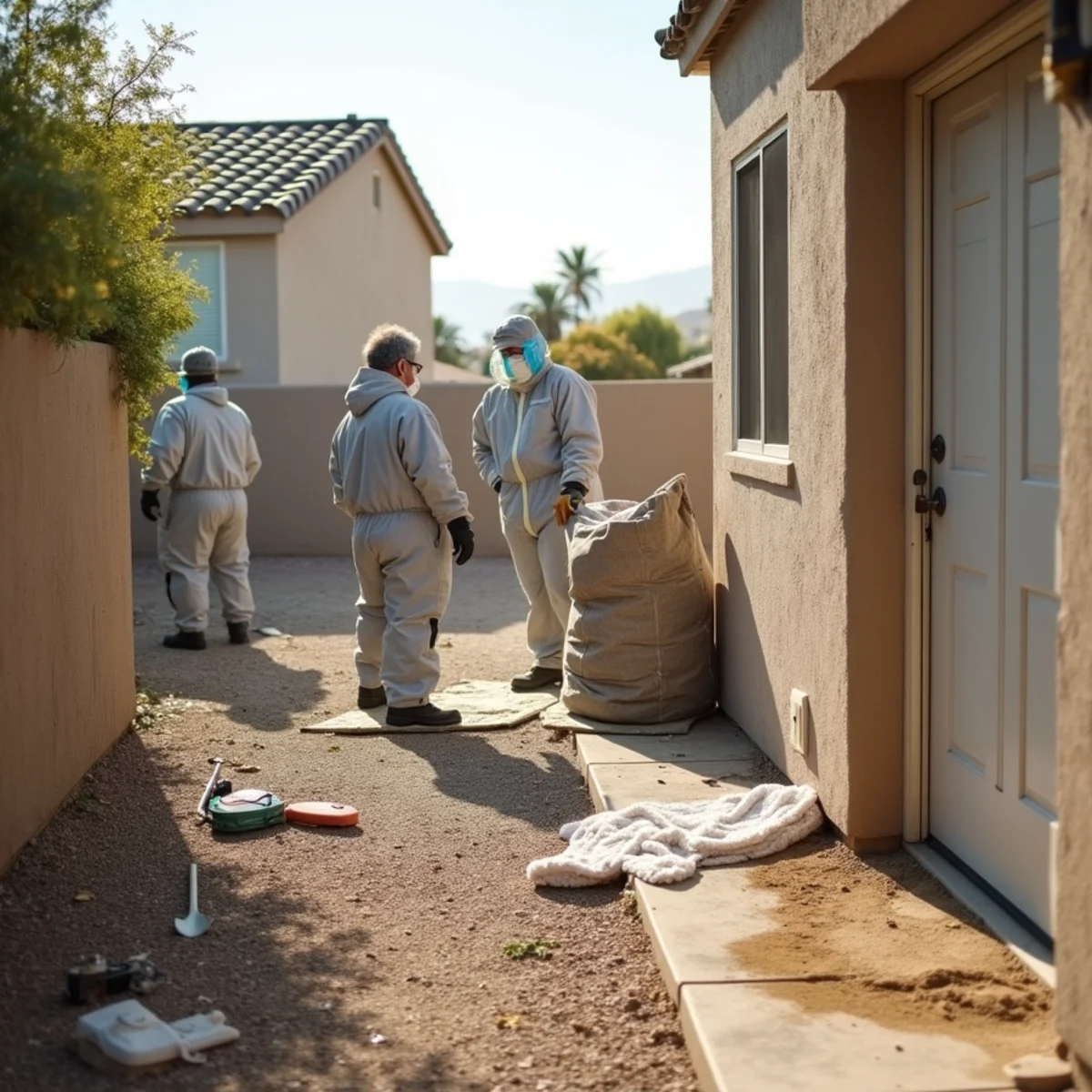
- 1
1. Containment and negative air
Poly barriers seal the affected area, and negative air machines with HEPA filtration keep contaminated air from moving into the rest of the house.
- 2
2. Protective equipment and extraction
Crews work in full PPE. Contaminated water is extracted with dedicated equipment that is never used on clean-water losses.
- 3
3. Remove porous materials
Carpet, pad, affected drywall, insulation, and particle board are cut out and disposed of under regulated waste handling. Porous material that absorbed Category 3 water cannot be disinfected reliably.
- 4
4. Clean and disinfect
All remaining surfaces are cleaned, then treated with EPA-registered antimicrobials. Framing, subfloor, and slab included — every surface the water touched.
- 5
5. Dry and verify
Structural drying with daily moisture logging, HEPA air scrubbing throughout. We verify dry before containment comes down.
- 6
6. Rebuild
Drywall, insulation, flooring, and finishes restored. We also flag the cause — root intrusion, scale, a failing septic system — so it does not repeat.
What sewage cleanup costs in Menifee
Category 3 work carries the highest mitigation rate of any water loss, and disposal is the main reason.
Category 3 rate
Sewage mitigation generally starts around $7 to $7.50 per square foot. That covers containment, PPE, negative air, antimicrobial treatment, and regulated disposal.
How much material must be removed
Every porous surface the water touched comes out. That demolition and disposal is usually the largest single component of the bill.
Where the backup surfaced
A garage floor drain is contained. A hallway that carried it into three bedrooms with carpet is a much larger affected area.
The underlying plumbing repair
Clearing a blockage, cutting roots, or repairing a collapsed line is separate from the cleanup and is priced on its own.
Why sewage work needs a certified crew
This is the service where the gap between a properly equipped restoration company and a general cleaner is widest, and most consequential.
AMRT-trained technicians on containment
IICRC Applied Microbial Remediation training covers containment, negative air and safe removal protocols. Setting a barrier wrong turns a contained bathroom problem into a whole-house one.
We know Menifee's two sewage profiles
Newer tracts like Audie Murphy Ranch have modern engineered sewer on EMWD collection, where the usual culprit is flushed wipes. Older pockets in Quail Valley, Homeland and Romoland have aging laterals with root intrusion, or septic systems entirely. The response differs.
We address the cause, not just the mess
Recurring backups are usually roots in an old lateral or decades of mineral scale narrowing the pipe. We camera the line and tell you which, so you are not paying for the same cleanup twice.
Straight talk on the endorsement
Sewer and drain backup is usually excluded from base homeowners policies and available as an inexpensive endorsement. We tell you where you stand before you file rather than after the denial.
Frequently asked questions
Can I clean up sewage myself?
Please do not. Category 3 water carries pathogens that cause real illness, household vacuums aerosolize them, and porous materials that absorbed it cannot be safely disinfected in place. Keep people and pets out of the area, shut off any fixture feeding it, and call.
Does homeowners insurance cover a sewer backup?
Usually only with a sewer/drain backup endorsement. Base policies commonly exclude it. The endorsement is inexpensive, and if you own an older home in Quail Valley, Homeland, or Romoland, it is one of the higher-value add-ons available to you.
How long does sewage cleanup take?
Cleanup and disinfection typically run one to three days depending on area. Drying adds another two to four. The rebuild depends on how much material came out. We keep containment up until the space verifies clean and dry.
What actually causes most backups here?
Wipes marketed as flushable, grease poured down kitchen drains, root intrusion in older lines, and decades of mineral scale narrowing the pipe. The first two are entirely preventable, and in family neighborhoods they account for most of what we see.
How long before the affected rooms are usable again?
Cleanup and disinfection typically run one to three days depending on the area, with drying adding another two to four. The rebuild depends on how much material came out. Containment stays up for the whole of that — you can use the rest of the property normally throughout, which is the point of setting a barrier properly. We verify the space clean and dry before anything is closed back up.
Where we provide sewage cleanup and sanitization in Menifee
We run this service across every Menifee neighborhood and out into the surrounding cities. Response times are honest drive-time bands from our shop on Palomar Road, not marketing numbers.
- Sewage Cleanup & Sanitization in Menifee, CA
- Sewage Cleanup & Sanitization in Menifee Lakes
- Sewage Cleanup & Sanitization in Audie Murphy Ranch
- Sewage Cleanup & Sanitization in Heritage Lake
- Sewage Cleanup & Sanitization in Quail Valley
- Sewage Cleanup & Sanitization in Sun City, Menifee
- Sewage Cleanup & Sanitization in Paloma Valley
- Sewage Cleanup & Sanitization in Canyon Hills
- Sewage Cleanup & Sanitization in Romoland
- Sewage Cleanup & Sanitization in Homeland
- Sewage Cleanup & Sanitization in McCall Boulevard
- Sewage Cleanup & Sanitization in Newport Road