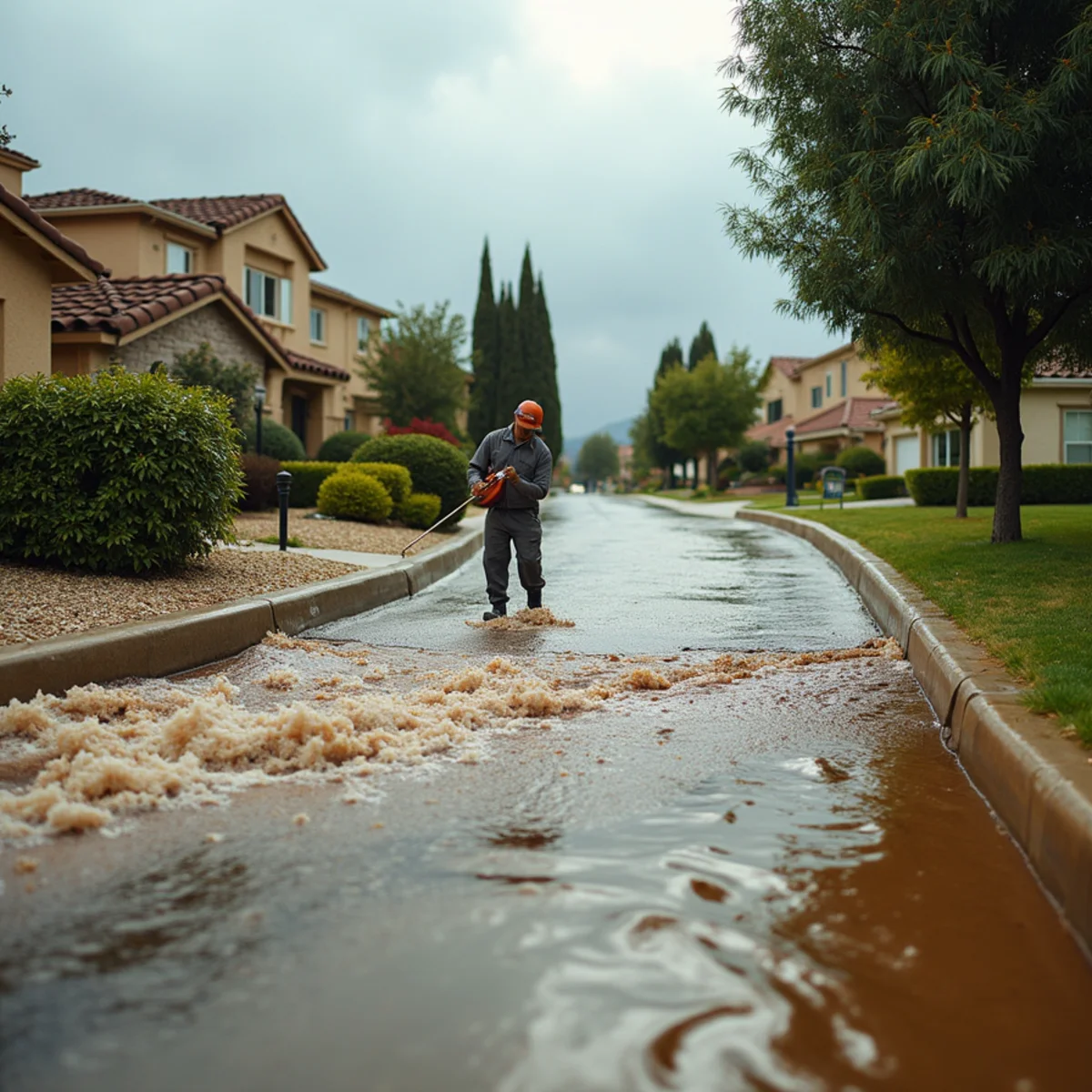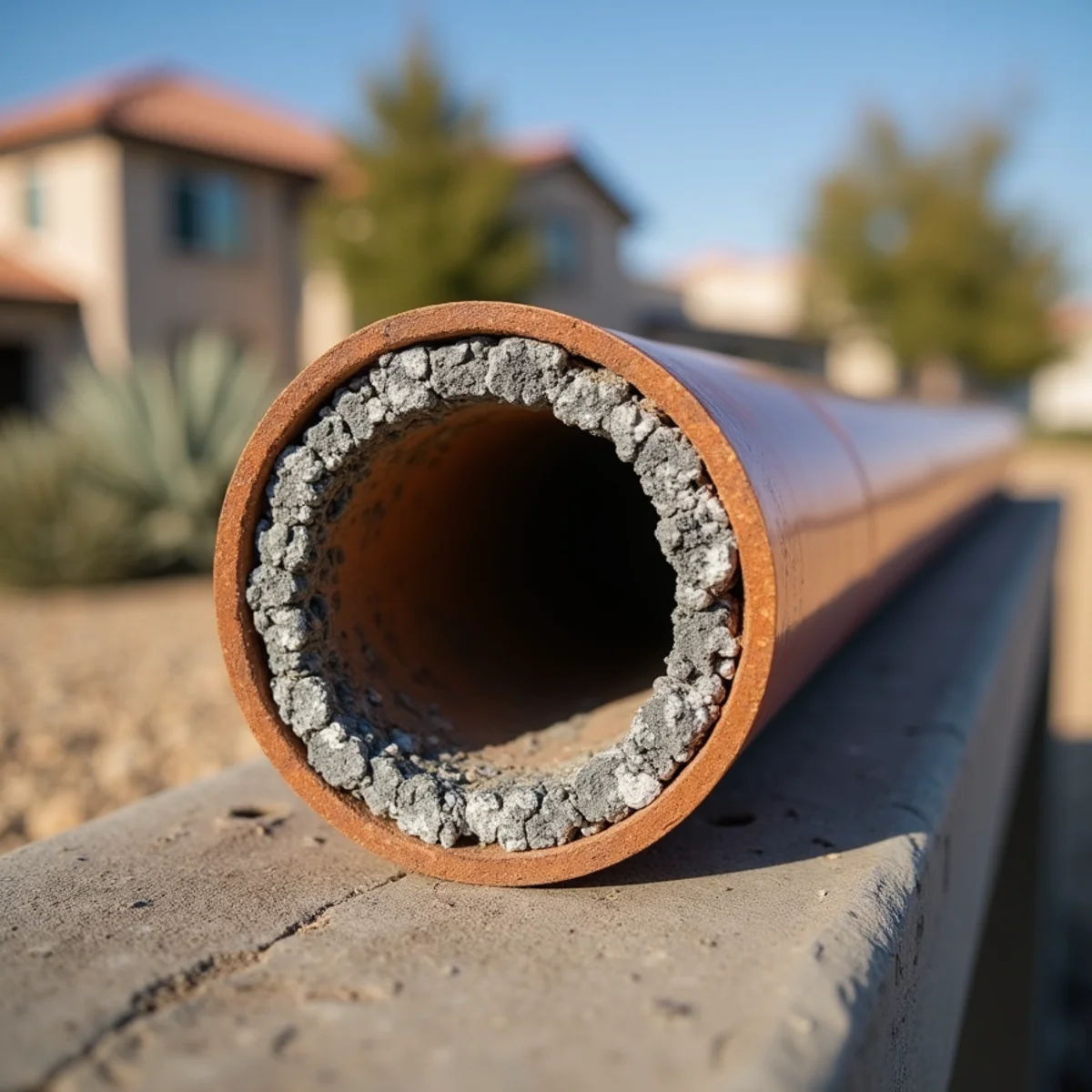
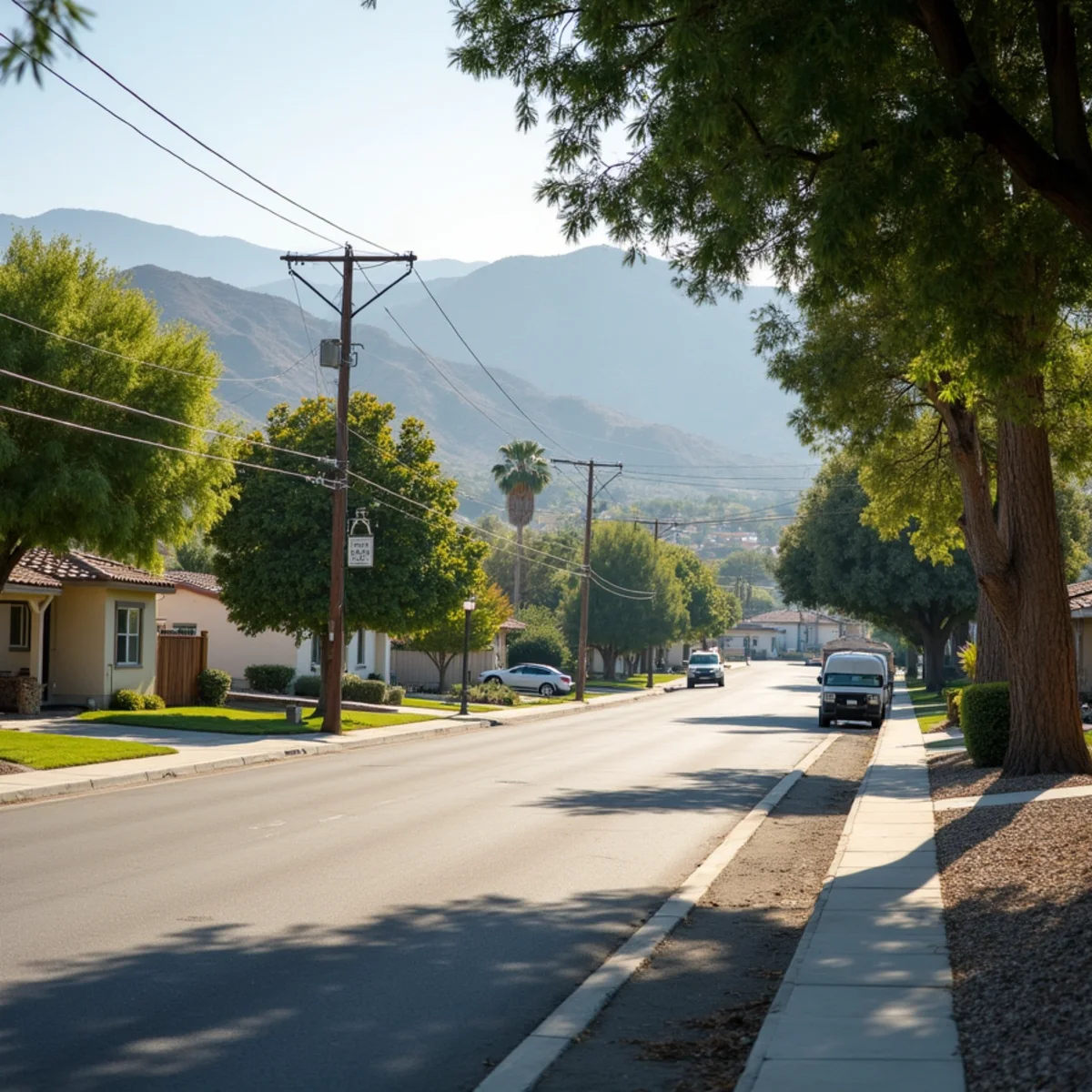
Higher neighbourhoods are cooler and take mountain runoff. Lower ones are hotter and receive whatever comes down from above.
Water damage risks specific to Yucaipa, CA
Every neighborhood in this region fails in its own way, and it is usually predictable from the construction era and the terrain. Here is what we actually respond to here.
1Runoff moving downhill through the city
Water shed by the higher slopes travels through the developed areas below. Properties along drainage paths take concentrated flow during winter storms and summer cells, and lots at the bottom of a run collect what several properties above them shed.
2Cooler, wetter conditions at elevation
The upper neighbourhoods are noticeably cooler and damper than the Inland Empire floor. That means slower natural drying after any leak and a somewhat higher baseline mold risk in enclosed spaces.
3Post-fire runoff and debris flow
Foothill communities near burn areas face debris flow risk for several seasons after a fire, when denuded slopes shed water and sediment rather than absorbing them. That produces Category 3 intrusion carrying mud rather than clean runoff.
The housing stock we work in Yucaipa, CA
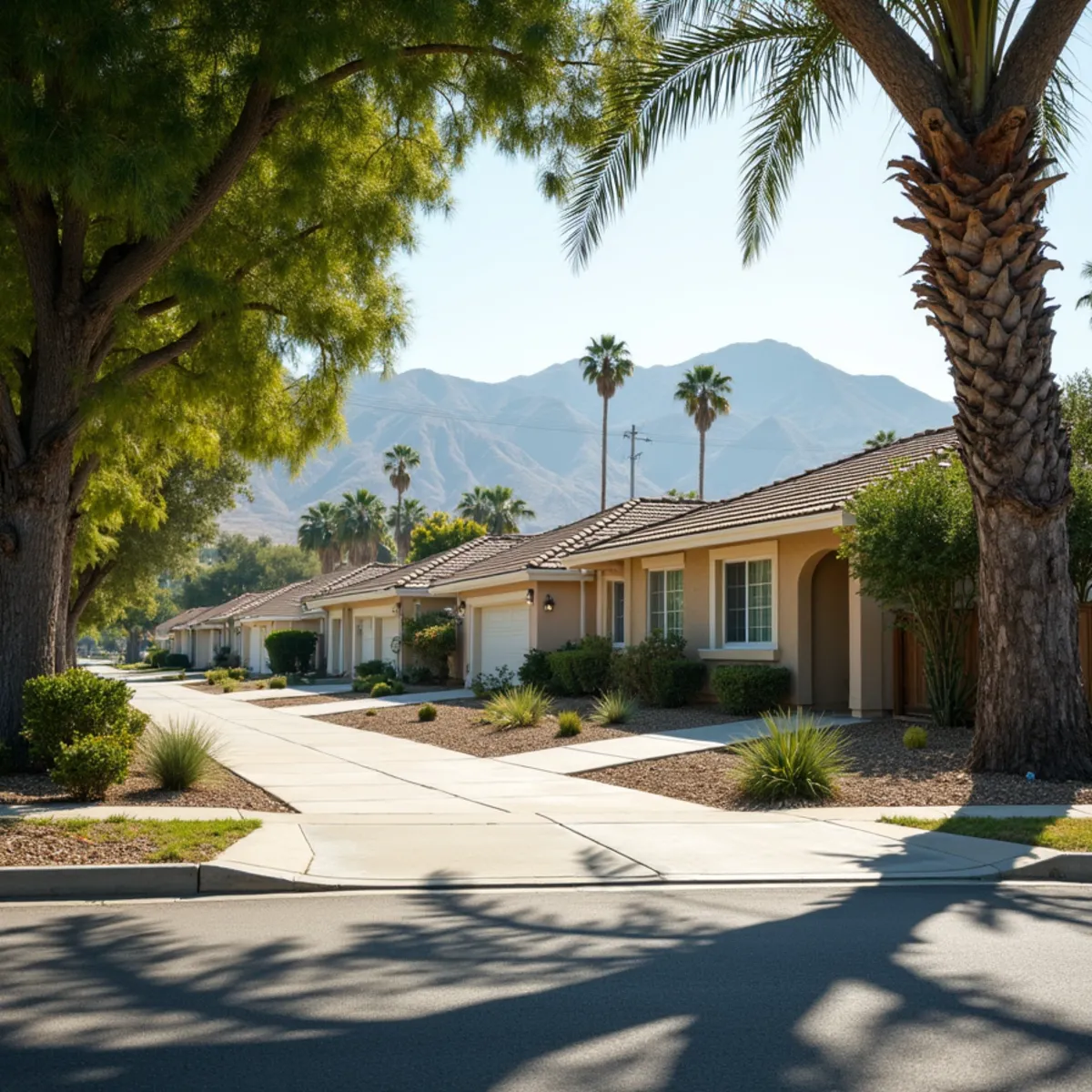
A mix of older established homes, mid-century development, and newer construction spread across a substantial elevation range. Both slab and raised-floor construction. Properties at the upper end sit on sloped lots with retaining structures and engineered drainage.
Local landmarks
Yucaipa Regional Park · Crafton Hills College · San Bernardino Mountain foothills
Services we run most often in Yucaipa, CA
Every service we offer is available here. These are the ones this area calls for most, based on what actually breaks in these homes.
- Flood Damage RestorationMonsoon runoff, winter storm intrusion, and drainage failures — handled as the Category 3 losses they actually are.
- Storm Damage RestorationEmergency tarping and board-up the same night, then the full repair — wind, rain, and fallen-limb damage handled end to end.
- Water Damage RestorationFull-scope extraction, structural drying, and repair — one crew from the first moisture reading to the last coat of paint.
- Mold RemediationContained removal, HEPA filtration, and the moisture fix behind it — because mold that is only cleaned comes back.
- Crawl Space & Sub-Floor Water DamageMenifee has almost no basements — it has wet slabs, crawl spaces, and irrigation soaking foundations. That is what we dry.
Why Yucaipa homeowners call us
Elevation changes across a small city produce genuinely different conditions street to street.
We ask which part of Yucaipa you are in
Upper neighbourhoods are cooler and damper with slower natural drying. Lower ones are hotter and receive whatever comes down from above.
Runoff moves downhill through the developed area
Properties along drainage paths take concentrated flow, and lots at the bottom of a run collect what several properties above them shed.
Post-fire debris flow risk
Slopes stripped by fire shed water and sediment rather than absorbing it for several seasons, producing mud-laden Category 3 intrusion.
Extended service area, stated plainly
We are straight about being an extended-range page: response here is longer than our Menifee core, and if water is actively spreading we will tell you to call the nearest available crew as well.
Elevation changes the job here. Tell us where in Yucaipa you are when you call — upper and lower neighbourhoods need different drying plans.
Yucaipa, CA questions we get asked
What is debris flow and should I worry about it?
It is a fast-moving slurry of water, soil, and rock that comes off slopes stripped by fire. If a burn area sits above you, the risk persists for several rainy seasons until vegetation re-establishes. It is treated as Category 3 intrusion because of what it carries.
Does the cooler climate up here change drying?
Yes. Cooler, damper air dries a structure more slowly than the valley floor does, which means a longer equipment schedule and a somewhat shorter window before mold becomes a factor.
Do you serve Yucaipa?
Extended service area, longer response times. Call for an honest arrival estimate, and get the nearest available crew moving if water is actively spreading.
How long does debris flow risk last after a fire above Yucaipa?
Typically several rainy seasons, until vegetation re-establishes on the burned slopes. The first winter after a fire is usually the most dangerous. County and USGS publish debris flow hazard maps after significant fires and they are worth checking for your specific parcel, because the risk is very location-dependent rather than city-wide.