Local Menifee Risks
Menifee's Master-Planned Homes Are Hitting Their First Repair Cycle
A city built in waves fails in waves. Find your neighbourhood below and you can predict, with uncomfortable accuracy, what breaks next.
The short answer
Menifee was built in waves, so its plumbing fails in waves. Quail Valley and Homeland homes from the 1970s and 1980s are on galvanized at end of life. Menifee Lakes and Sun City are in the copper pinhole window. Heritage Lake and Paloma Valley are entering it. Audie Murphy Ranch is failing at the connectors.
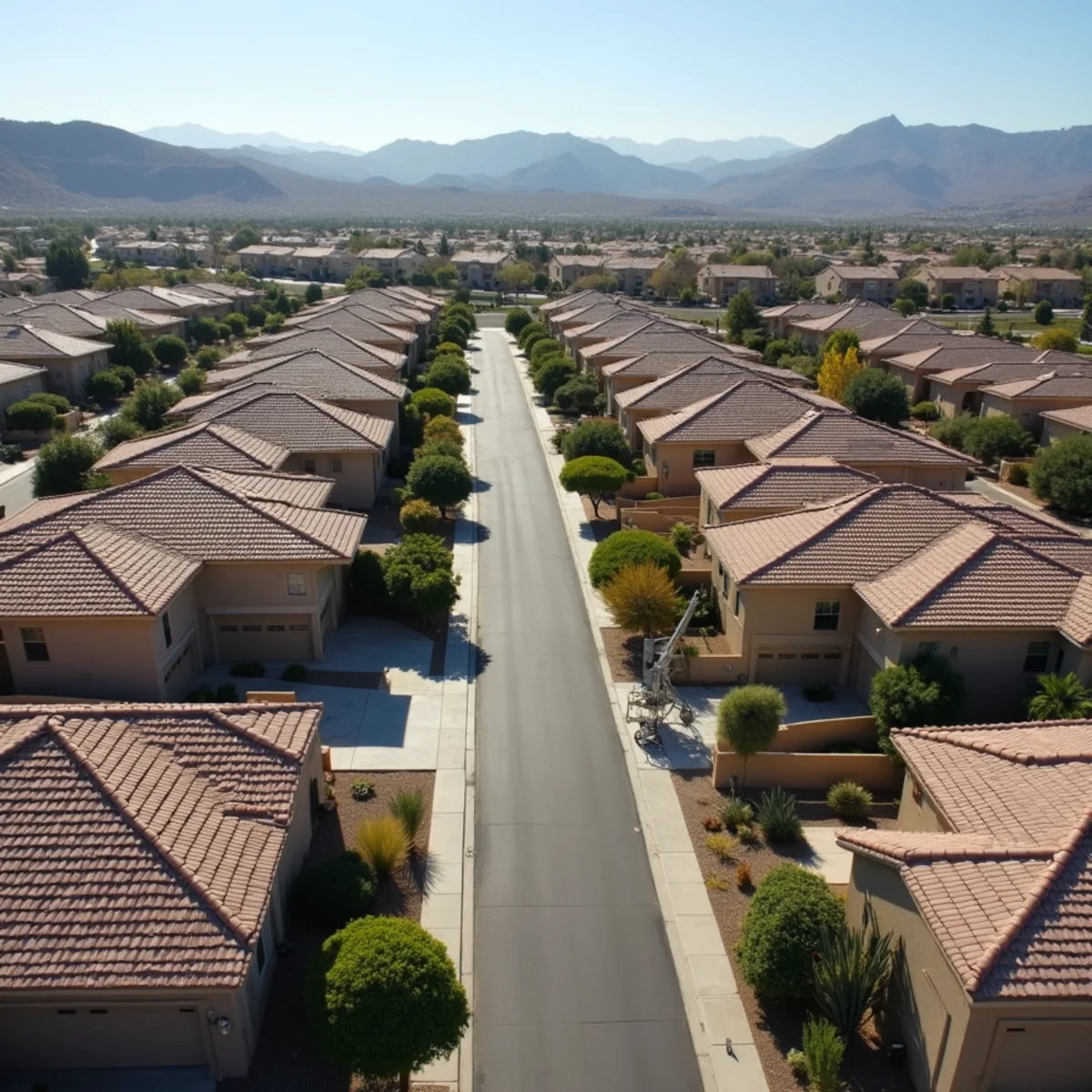
When a neighbourhood goes up in three years, every house in it gets the same pipe, the same water heater location, the same fittings, installed by the same crews to the same standard. Thirty years later, they all reach the end of that equipment's service life within a few years of each other.
That is the single most useful thing to understand about water damage in Menifee. Failures here are not random. They are scheduled, and the schedule is written into the year your tract was built.
Menifee by era
| Era | Where | Age now | What is failing |
|---|---|---|---|
| 1970s – early 1980s | Quail Valley, Homeland, parts of Romoland | 40 – 50 years | Galvanized supply lines, original sewer laterals, root intrusion, main line breaks |
| Mid 1980s – 1990s | Sun City, Menifee Lakes | 30 – 40 years | Copper pinholes under slabs, water heaters on replacement #2 or #3, seized angle stops |
| Late 1990s – 2000s | Heritage Lake, Paloma Valley, Canyon Hills | 20 – 30 years | First copper pinholes, original water heaters overdue, AC condensate systems clogging |
| 2000s – 2010s | Audie Murphy Ranch, newer north Menifee | 10 – 20 years | Appliance connectors, washer hoses, water heaters, condensate lines, envelope defects |
1970s and 1980s: the galvanized problem
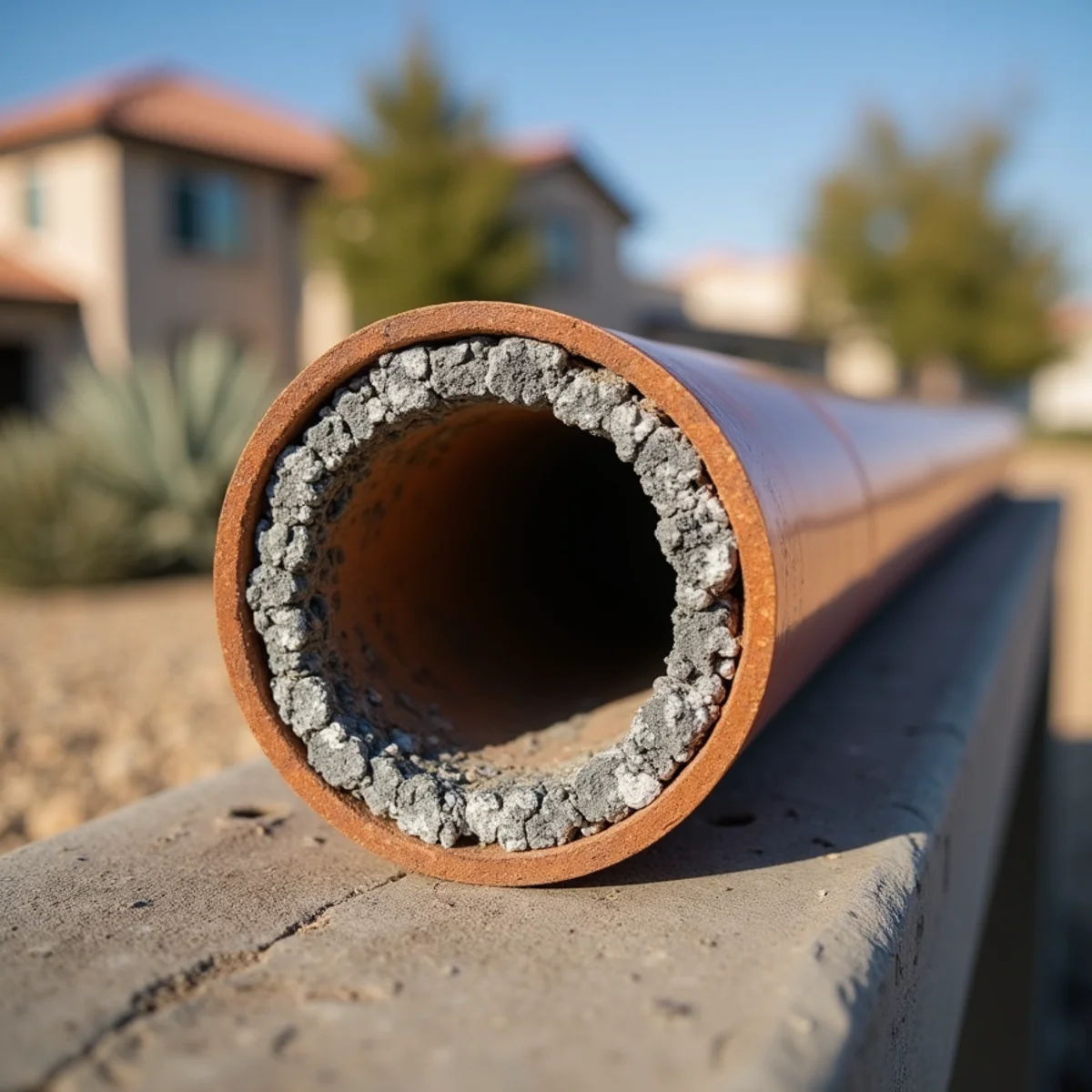
The oldest housing in Menifee predates the master-planned era entirely. Homes in Quail Valley and Homeland were commonly plumbed in galvanized steel, which corrodes from the inside out.
The interior diameter narrows year after year with rust and scale until flow drops noticeably. Then a section gives way — usually abruptly, at a threaded joint. Galvanized has a service life of forty to fifty years, and often less in mineral-heavy water. Homes of this era are at or past that number.
The warning signs are gradual and easy to normalize: pressure that has slowly declined over the years, rust-tinted water at the first draw in the morning, and hot water that runs out faster than it used to.
1980s and 1990s: the pinhole years
Sun City and Menifee Lakes went up in the middle of the copper era, and copper under a slab is now thirty to forty years old — squarely in the pinhole window.
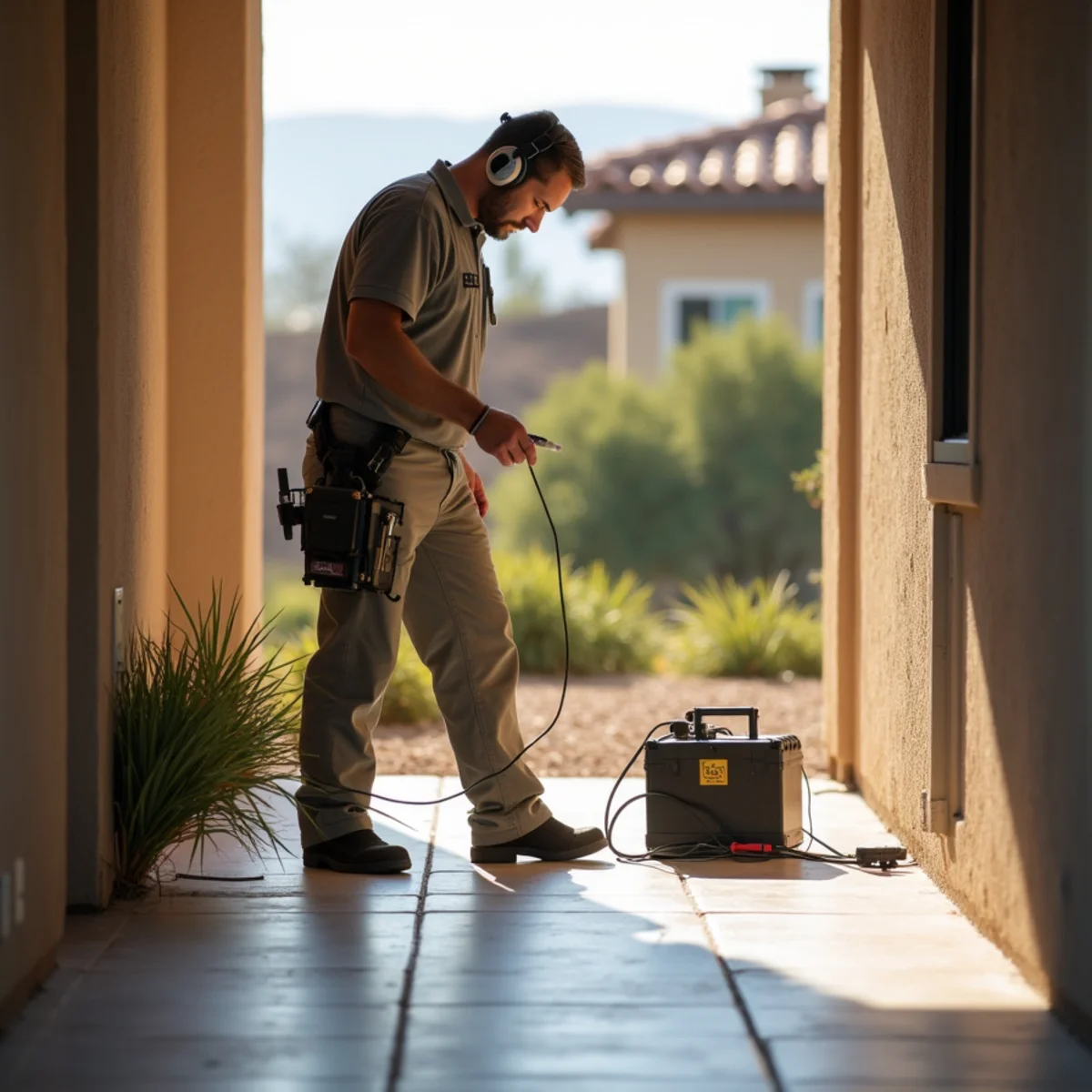
This is the most common water loss we respond to in this city, and the most expensive when it goes undetected. A slab leak has no obvious symptom. It shows up as a warm patch on the floor, a water bill that climbed without explanation, or the faint sound of running water in a silent house. By the time flooring lifts, it has usually been running for weeks.
These homes are also on their second or third water heater, and the angle stops under the sinks are frequently original — crusted with mineral and effectively welded shut.
Late 1990s and 2000s: the newcomers to the club
Heritage Lake, Paloma Valley, and Canyon Hills are twenty to thirty years old, which owners still think of as new. They are not, at least not to their plumbing.
This is where the first pinholes start appearing, and where original water heaters are well past a reasonable replacement point. It is also the era where AC condensate becomes a leading problem, because these homes have been running air handlers through Menifee summers for two decades and nobody has ever cleared the drain line.
2000s and 2010s: newer does not mean immune
Audie Murphy Ranch and the newer north Menifee tracts have modern plumbing, and their owners are frequently surprised to find themselves calling a restoration company.
But the parts that fail first are not the pipes. They are the connectors: washing machine hoses, ice maker lines, dishwasher supply fittings, angle stops. All have service lives measured in years, and hard water shortens every one of them. A twelve-year-old home is well inside the window for all four.
Envelope defects are the other category. Improperly lapped flashing, missed sealant at penetrations, and window installation issues typically surface in years five through ten, when a wind-driven rain finally hits the wall at the right angle.
What to do about it
Find your era above, then work the corresponding list.
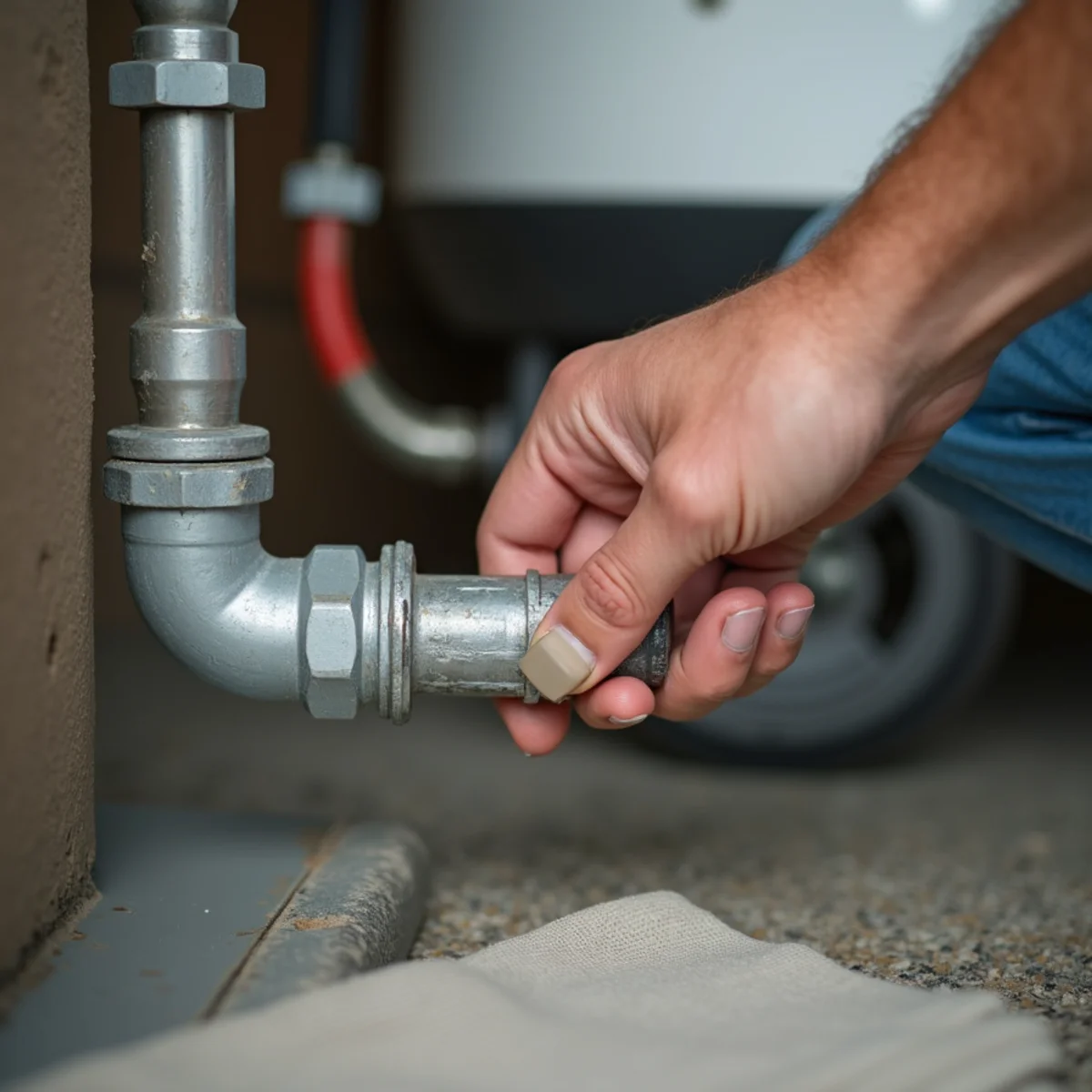
1970s–80s home: identify your supply pipe material at the water heater. If a magnet sticks to it, it is galvanized and you should be planning replacement rather than waiting for a failure. Get the sewer lateral camera-inspected if you have mature trees.
1980s–90s home: check the floor for warm spots, watch your water bill monthly, and get a moisture inspection if either looks off. Replace the water heater proactively if it is over ten years old.
Late 90s–2000s home: flush the water heater annually, clear the AC condensate line every spring, and exercise every shutoff valve in the house.
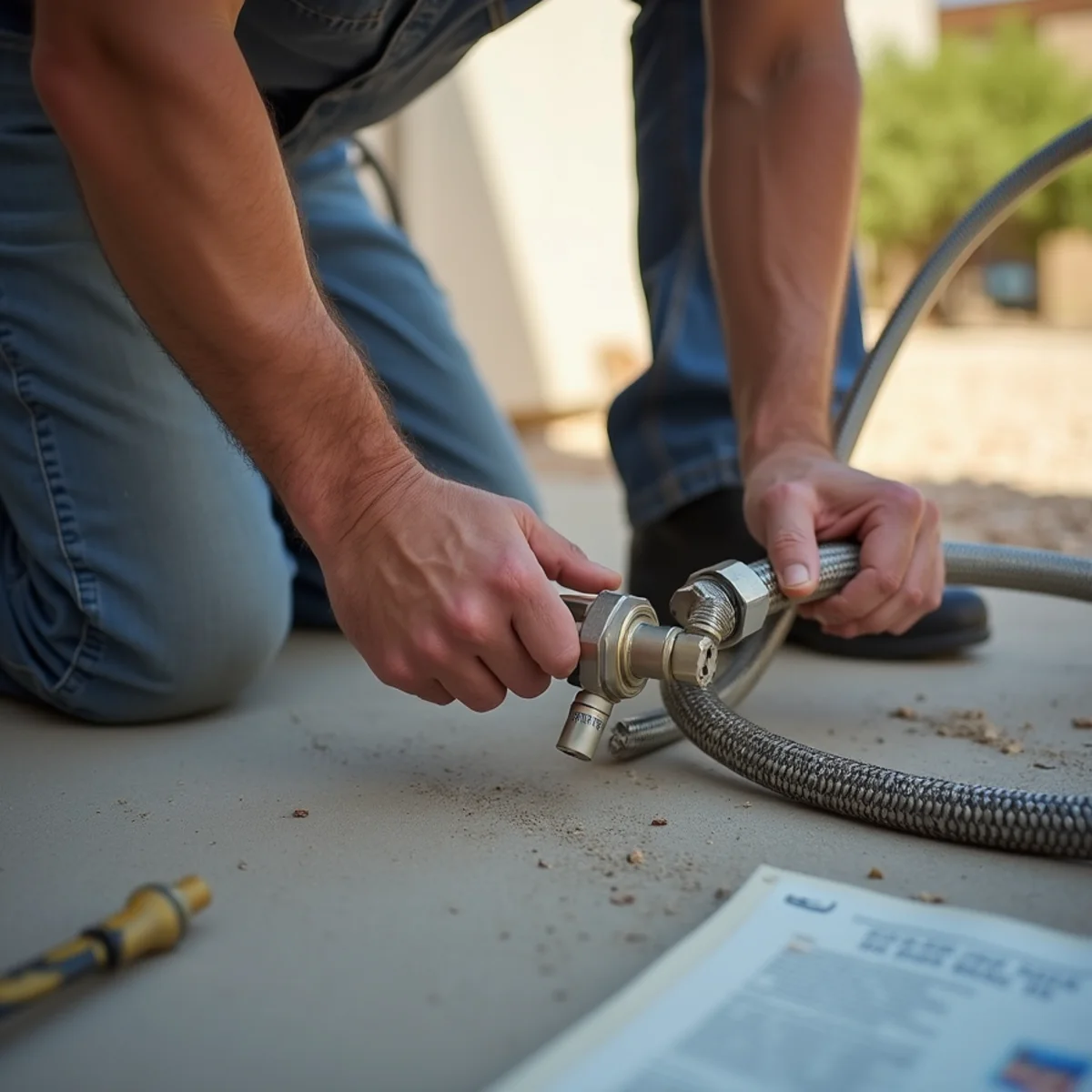
2000s–2010s home: replace washer hoses with braided stainless on a five-year cycle, put a pan and drain under the water heater, and check the attic after the first hard rain each season.
The case for getting ahead of it
A proactive water heater replacement costs a known amount on a day you choose. The same tank failing on its own costs the replacement plus extraction, drying, flooring, drywall, and possibly cabinetry — and a deductible.
A leak detection and moisture inspection on a thirty-year-old Menifee home is one of the cheapest pieces of information you can buy. It either finds something while it is still small, or it tells you that you have some time. Both answers are worth having.
Why failures arrive in cohorts rather than one at a time
The thing that makes Menifee unusual is not that plumbing fails. It is that so much of the housing stock was built in concentrated bursts, which means the components in it reach end of life at roughly the same moment across an entire neighbourhood.
A tract of four hundred homes completed across eighteen months got the same water heaters from the same supplier, the same angle stops, the same flexible supply lines and the same builder-grade fixtures. Those parts have a service life. When that life is up, it is up across the tract, not house by house, and the local restoration and plumbing trades feel it as a wave.
That is genuinely useful information for a homeowner, because it means your neighbours are a better predictor of your next failure than any inspection. If three houses on your street have replaced water heaters in the last year, yours is not fine — yours is next, and you have the enormous advantage of being able to replace it on a Tuesday morning rather than at midnight on a Sunday.
The five-minute conversation worth having with your neighbours
Ask three questions of anyone on your street who has been there longer than you.
- Has anyone had a slab leak, and if so which part of the house was it under?
- What year did people start replacing water heaters here?
- Has anyone repiped, and did they do it after a failure or before one?
The answers give you something no home inspection will: the actual failure pattern of your specific construction cohort, from people living in the same floor plan. In the older Sun City and Quail Valley stock this conversation frequently surfaces a slab leak history that a buyer would never otherwise learn about.
Frequently asked questions
My house is from 1995. Should I repipe preemptively?
Not automatically. One pinhole in an otherwise sound copper system is often a reasonable spot repair. A second or third in the same slab is the system telling you it is done — at that point a reroute usually costs less than the next two emergencies plus their deductibles.
How do I tell what my pipes are made of?
Look at the exposed supply at the water heater or under a sink. Galvanized is dull grey and magnetic. Copper is unmistakable by colour and not magnetic. PEX is flexible plastic, usually red and blue. That thirty-second check tells you most of what you need to know.
Does this pattern apply outside Menifee?
Very much so. Murrieta, Moreno Valley, Temecula, and most of the master-planned Inland Empire were built in the same windows with the same materials on the same water. The era table above travels well across the region.
How do I find out exactly when my house was built?
Riverside County property records list the year built, and it is usually on your title paperwork or your property tax record. For plumbing purposes the more useful detail is what the supply lines are made of, which you can often establish by looking at the exposed pipe at the water heater connection and at the hose bibs. Copper, galvanised steel and the various plastics all age very differently.
Does replacing the water heater mean the rest of the plumbing is fine?
No. The water heater is simply the component with the shortest service life, so it fails first and acts as an early warning. Angle stops, flexible supply lines and toilet fill valves are all on similar clocks and cost very little to replace preventively. If your heater has just failed on age rather than on a fault, treat that as a signal about everything else installed at the same time.