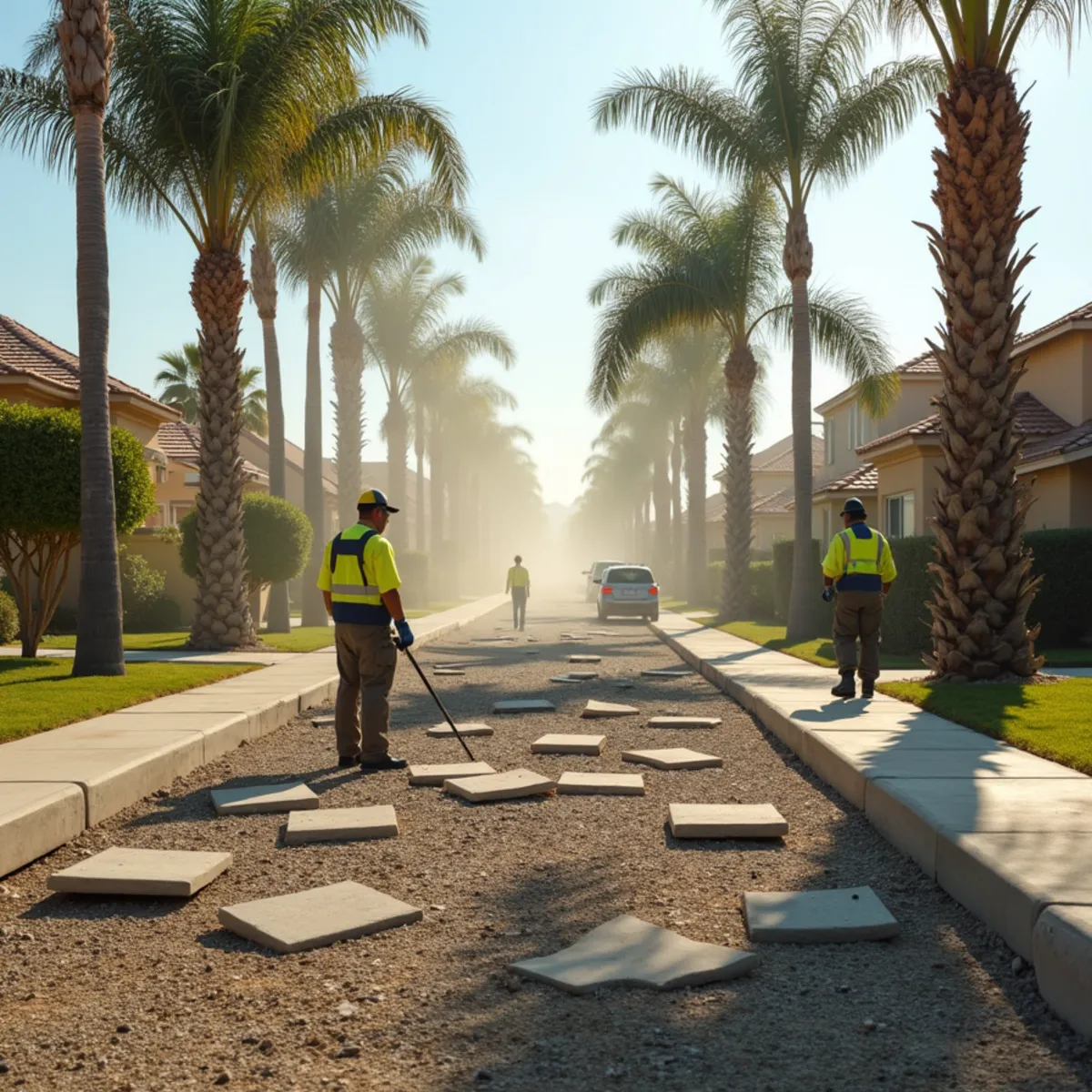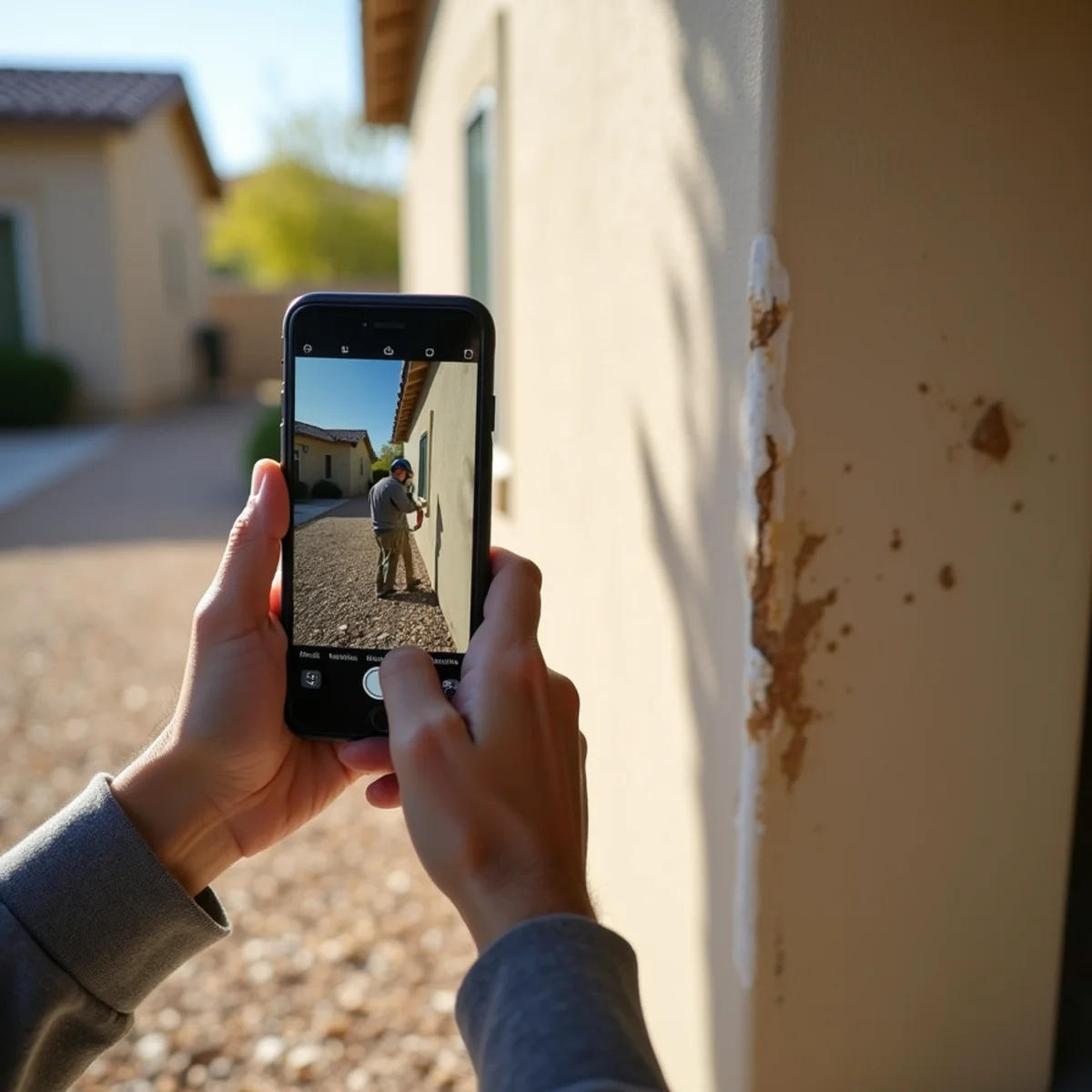
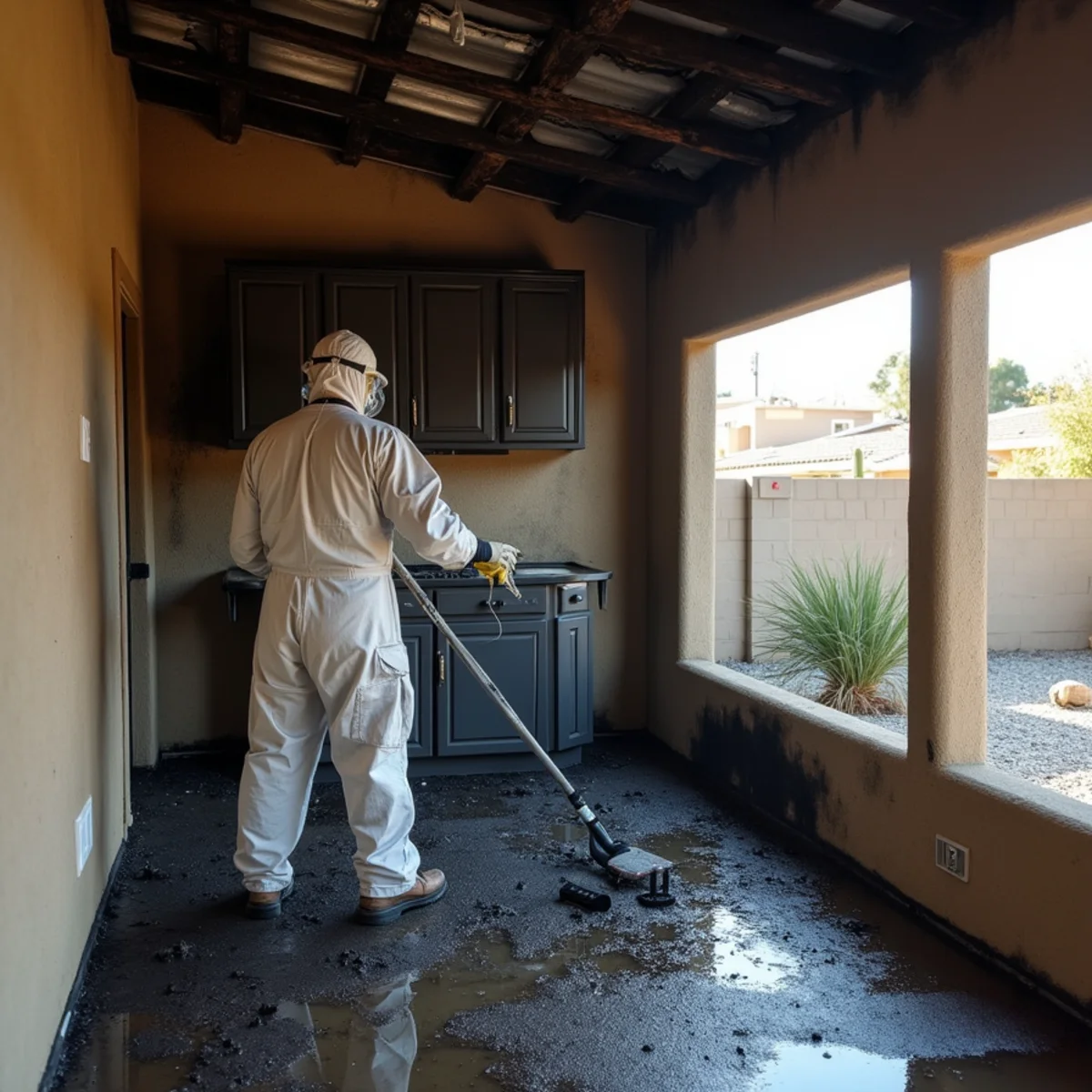
Fire and smoke damage restoration in Menifee handles three losses at once: the fire damage, the smoke and soot that travelled far beyond it, and the thousands of gallons of suppression water that went through the floor. We board up, extract, clean soot before it etches, neutralise odour and rebuild — all under one contract.
That is why a restoration company that handles both matters here. Soot needs cleaning within days before it etches and sets permanently. Water needs extracting within hours. Doing them in the wrong order, or with two separate contractors, costs you time you do not have.
We board up, extract, clean soot, neutralize odor, and rebuild — with one scope and one point of contact for your adjuster.
What has to happen in the first 48 hours
Fire damage gets worse on a schedule. These are the things that become permanent if they wait.
Secure the structure
Board-up and roof tarping keep weather and unauthorized entry out. Insurers expect it immediately and it protects your claim.
Extract the suppression water
Fire hose water saturates everything below and around the fire. Left alone in Menifee's warmth, it produces mold within days on top of the fire damage.
Address acidic soot residue
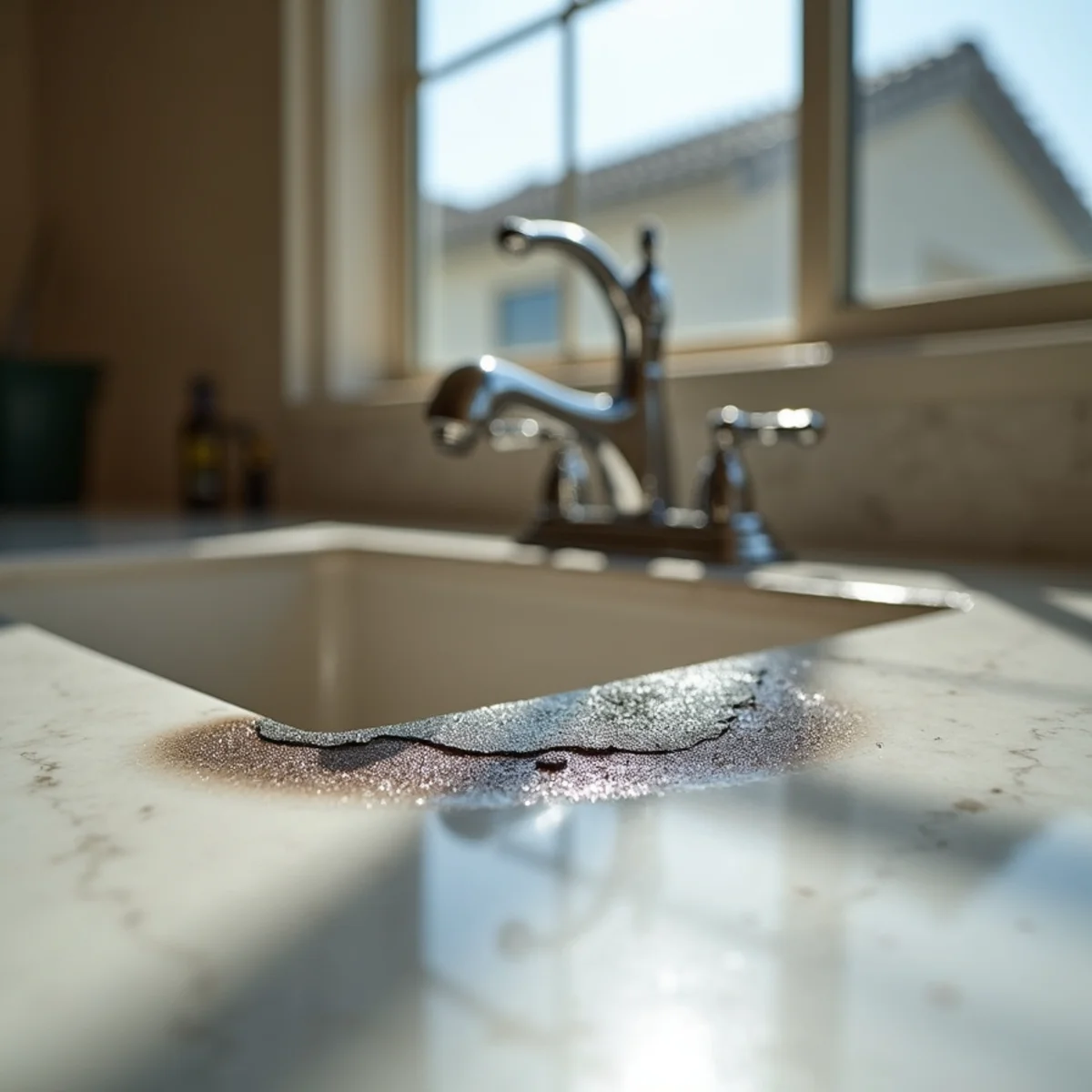
Soot is acidic. Within 48 to 72 hours it begins etching chrome, aluminum, marble, and grout permanently. Fast cleaning is what saves those surfaces.
Protect the electronics
Soot conducts and corrodes circuit boards from the inside. Powering equipment back on before it is cleaned is what actually destroys it.
Start odor control early
Smoke odor migrates into porous materials continuously. The longer before treatment starts, the deeper it penetrates and the harder it is to remove.
What a fire restoration job includes
Water first, soot second, odour third, rebuild last. Changing that order costs money and material.
Board-up, roof tarping and structural assessment
Openings secured and the structure assessed for safety before anyone works inside. Insurers expect this immediately and it is what protects the claim from weather and unauthorised entry.Suppression water extraction and structural drying
Fire hose water saturates everything below and around the fire. Left alone in Menifee's warmth it produces mold within days on top of the fire damage, so extraction starts the same day as a normal water loss.Residue-appropriate soot cleaning
Dry chemical sponges for light soot, wet cleaning for protein residue, abrasive methods for heavy char. Using the wrong method drives soot into the surface permanently, which is why the assessment matters more than the scrubbing.Odour neutralisation, contents and reconstruction
HEPA filtration, thermal fogging or hydroxyl treatment as appropriate, plus duct cleaning. Salvageable contents inventoried, cleaned and stored; non-salvageable documented for the claim. Then framing, drywall, texture, flooring and cabinetry.
Fire and smoke in Menifee homes
Menifee's tract homes share construction assemblies, and that shapes how fire and smoke move through them. Open-plan great rooms and vaulted ceilings let smoke travel fast and deposit high. Shared attic spaces above a common truss run let smoke into rooms well away from the origin. Standard drywall and lightweight framing means suppression water passes between floors quickly in the two-story plans.
Santa Ana conditions matter here too. Those same dry, high-wind events that lift roofing also drive regional fire risk, and they can push exterior smoke into homes that never came near flame. Smoke intrusion from a wildfire event is its own kind of loss: no fire damage, but soot in the ductwork, on the attic insulation, and in every soft furnishing in the house.
The suppression water is what most people underestimate. A moderate kitchen fire in an Audie Murphy Ranch two-story can leave the kitchen scorched and the entire downstairs saturated — and if the water sits while everyone focuses on the fire damage, you get a mold problem layered on top of a fire claim.
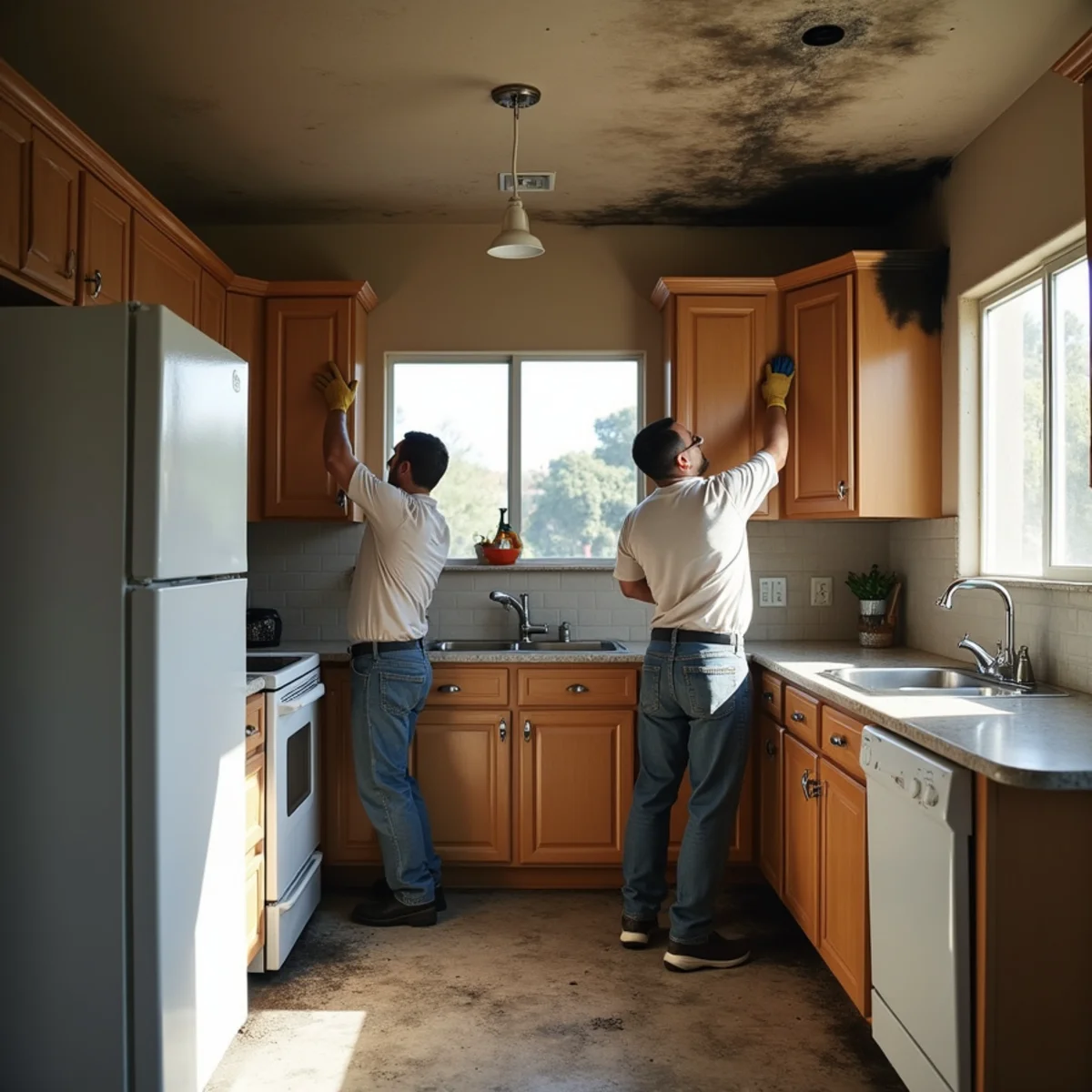
How fire restoration runs
Water first, soot second, odor third, rebuild last. Changing that order costs money.
- 1
1. Board-up and stabilization
Openings secured, roof tarped, structure assessed for safety before anyone works inside.
- 2
2. Water extraction and drying
Suppression water comes out immediately and structural drying starts, exactly as it would on any water loss.
- 3
3. Soot and residue removal
Different residues need different methods — dry chemical sponges for light soot, wet cleaning for protein residue, abrasive methods for heavy char. Using the wrong one drives soot into the surface.
- 4
4. Contents handling
Salvageable items are inventoried, cleaned, deodorized, and stored. Non-salvageable items are documented in detail for your claim.
- 5
5. Odor neutralization
HEPA filtration, thermal fogging, hydroxyl or ozone treatment as appropriate, and duct cleaning. Masking odor instead of neutralizing it always fails within weeks.
- 6
6. Reconstruction
Framing, drywall, texture, paint, flooring, cabinetry, and fixtures. Same crew, same scope, straight through to finished.
What fire and smoke restoration costs
Fire losses have the widest range of any job type, because smoke travels far beyond what burned.
Smoke travel
The affected area is almost always much larger than the fire area. Smoke reaches every connected space, and every one of those needs cleaning.
Residue type
Protein residue from a kitchen fire is nearly invisible and extremely hard to remove. Dry soot from a fast-burning fire is easier. They price very differently.
Suppression water damage
A full water mitigation scope layered on top of the fire scope — extraction, drying, and often significant demolition.
Contents volume
Cleaning, deodorizing, inventorying, and storing household contents is labor-intensive and frequently a large share of the claim.
Why one crew for fire and water
Fire damage is a water damage job wearing a different hat, and splitting the two is where fire claims go wrong.
We treat every fire loss as a water loss simultaneously
A contained kitchen fire can put hundreds of gallons through the floor into the rooms below. If that water sits while everyone focuses on the burned area, you get a mold problem layered on top of a fire claim.
Soot is time-sensitive and we work to that clock
Soot is acidic. Within 48 to 72 hours it begins etching chrome, aluminium, marble and grout permanently. Fast, correct cleaning is what saves those surfaces, and the window is genuinely short.
We handle wildfire smoke intrusion too
The same Santa Ana conditions that lift roofing drive regional fire risk. Smoke can reach homes that never came near flame, leaving soot in ductwork, attic insulation and soft furnishings. That is a real loss and it needs HEPA filtration and duct cleaning.
Contents documentation that protects the claim
Contents are where most homeowners leave money on the table. We inventory and photograph everything, including what cannot be saved, and remind you that additional living expenses coverage starts on day one.
Frequently asked questions
Can I go back in and get my things?
Only after the fire department releases the structure and it has been assessed as safe. Beyond structural concerns, disturbing soot spreads it into unaffected rooms. Tell us what matters most and we will retrieve and protect it properly.
Can smoke odor really be removed completely?
Yes, with the right approach. It requires removing the source residue, treating porous materials, sealing where necessary, and cleaning the duct system. What does not work is masking — air fresheners and surface deodorizers buy a couple of weeks and the smell returns every humid day.
Why is there water damage when the fire was small?
Fire suppression uses enormous volumes very quickly. A contained kitchen fire can put hundreds of gallons through the floor and into the rooms below. That is why we treat every fire loss as a water loss simultaneously.
Do you handle smoke damage from a wildfire without fire in the house?
Yes, and it is a real category of loss during Santa Ana events. Exterior smoke infiltrates through the envelope and HVAC, depositing soot in ductwork, attic insulation, and soft furnishings. It needs HEPA filtration, duct cleaning, and contents treatment even though nothing in the house burned.
Can smoke odour actually be removed for good?
Yes, with the right approach — and no, if anyone tries to mask it. Permanent removal means taking out the source residue, treating porous materials, sealing where necessary and cleaning the duct system. Air fresheners and surface deodorisers buy a couple of weeks and the smell returns on every humid day. If a company leads with fogging and does not mention duct cleaning or contents, that is the wrong plan.
Where we provide fire and smoke damage restoration in Menifee
We run this service across every Menifee neighborhood and out into the surrounding cities. Response times are honest drive-time bands from our shop on Palomar Road, not marketing numbers.
- Fire & Smoke Damage Restoration in Menifee, CA
- Fire & Smoke Damage Restoration in Menifee Lakes
- Fire & Smoke Damage Restoration in Audie Murphy Ranch
- Fire & Smoke Damage Restoration in Heritage Lake
- Fire & Smoke Damage Restoration in Quail Valley
- Fire & Smoke Damage Restoration in Sun City, Menifee
- Fire & Smoke Damage Restoration in Paloma Valley
- Fire & Smoke Damage Restoration in Canyon Hills
- Fire & Smoke Damage Restoration in Romoland
- Fire & Smoke Damage Restoration in Homeland
- Fire & Smoke Damage Restoration in McCall Boulevard
- Fire & Smoke Damage Restoration in Newport Road