
Insurance & Claims
Filing a Water Damage Insurance Claim: A Menifee Walkthrough
Claims are won in the first hour with a phone camera. Here is exactly what to capture, in what order, and what to do when the adjuster arrives.
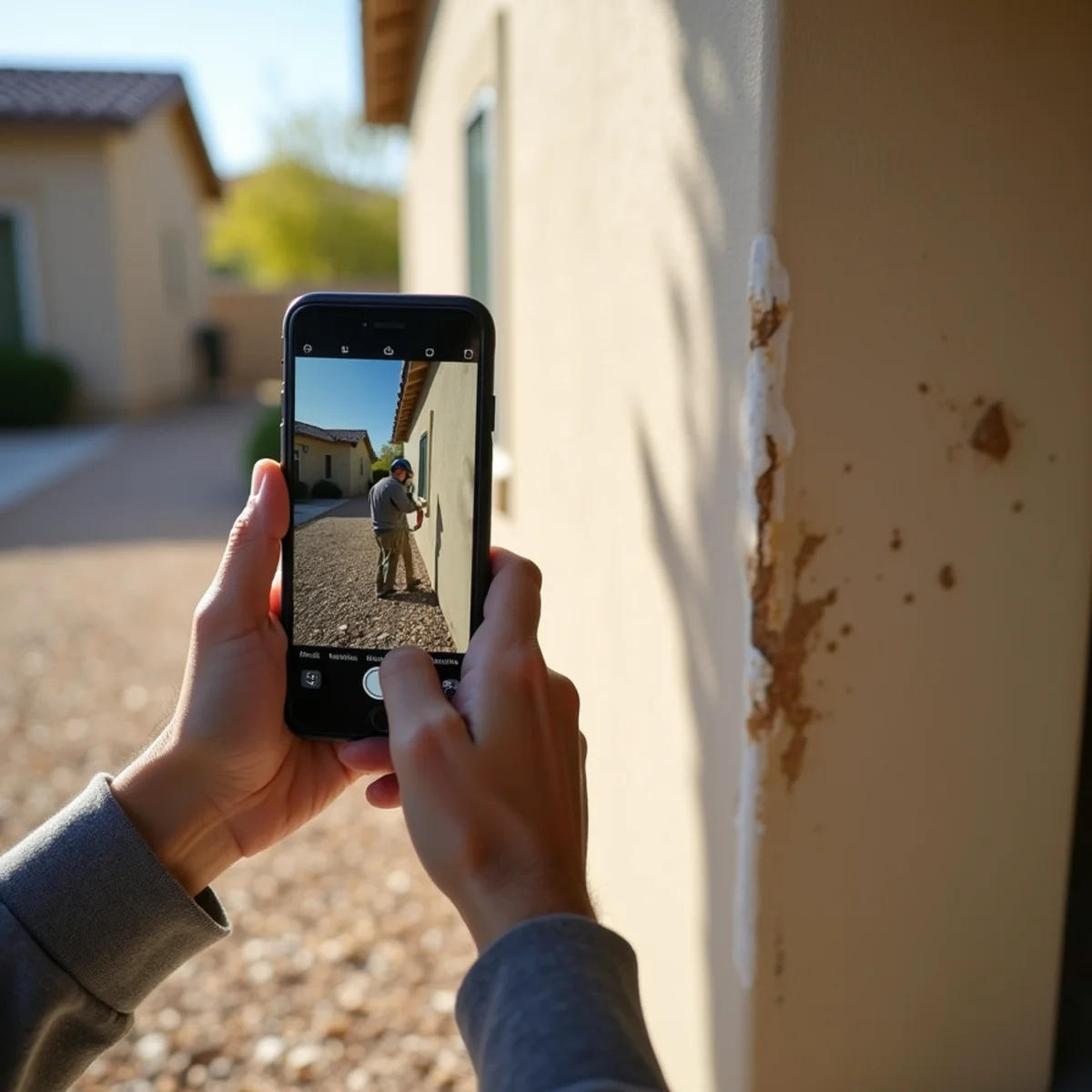
The short answer
Stop the damage first, then photograph and video everything before any cleanup. Call for mitigation before you call your insurer. Keep every receipt including hotel and meals if you are displaced. Ask your restoration company for the moisture map and daily drying logs — carriers pay documented drying and push back on undocumented drying.
Most of the money lost on water damage claims is lost in the first hour, before anyone has spoken to an insurance company. It is lost because nobody photographed the damage before cleanup started.
Your adjuster will not see your house until the water is gone and equipment is running. Whatever you capture now is the only record of what it actually looked like.
Step 1 — stop the damage, then document
Shut the water off and make the area safe first. Every policy obliges you to take reasonable steps to prevent further damage, and failing to do so can reduce or void a claim.
Then, before you move or clean anything:

Shoot a slow video walkthrough of the whole affected area, narrating what you see and where the water came from. This is the single most valuable piece of evidence you will produce.

Photograph the source. The split hose, the failed heater, the ceiling breach.
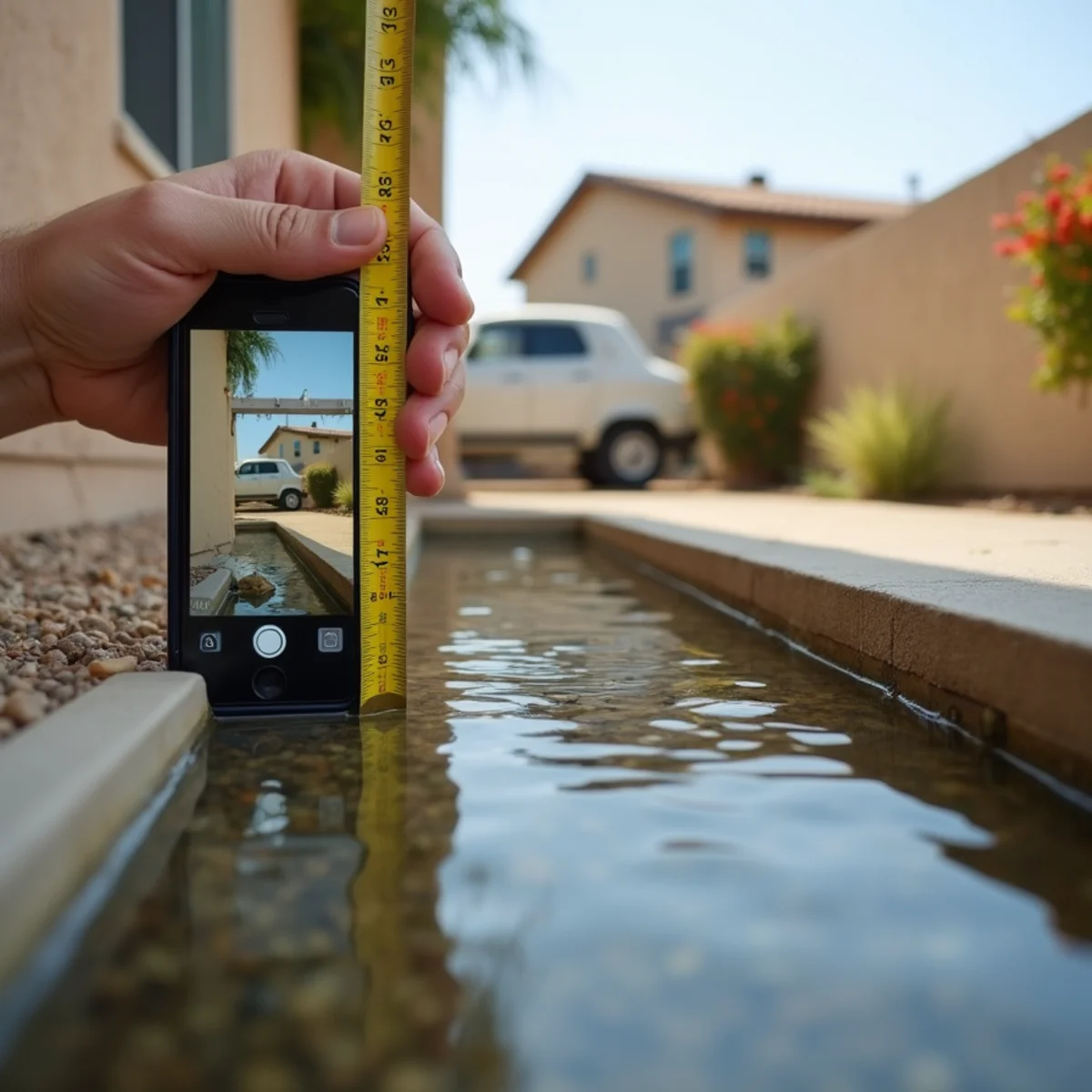
Photograph standing water with something for scale — a shoe, a ruler, a hand against a baseboard.
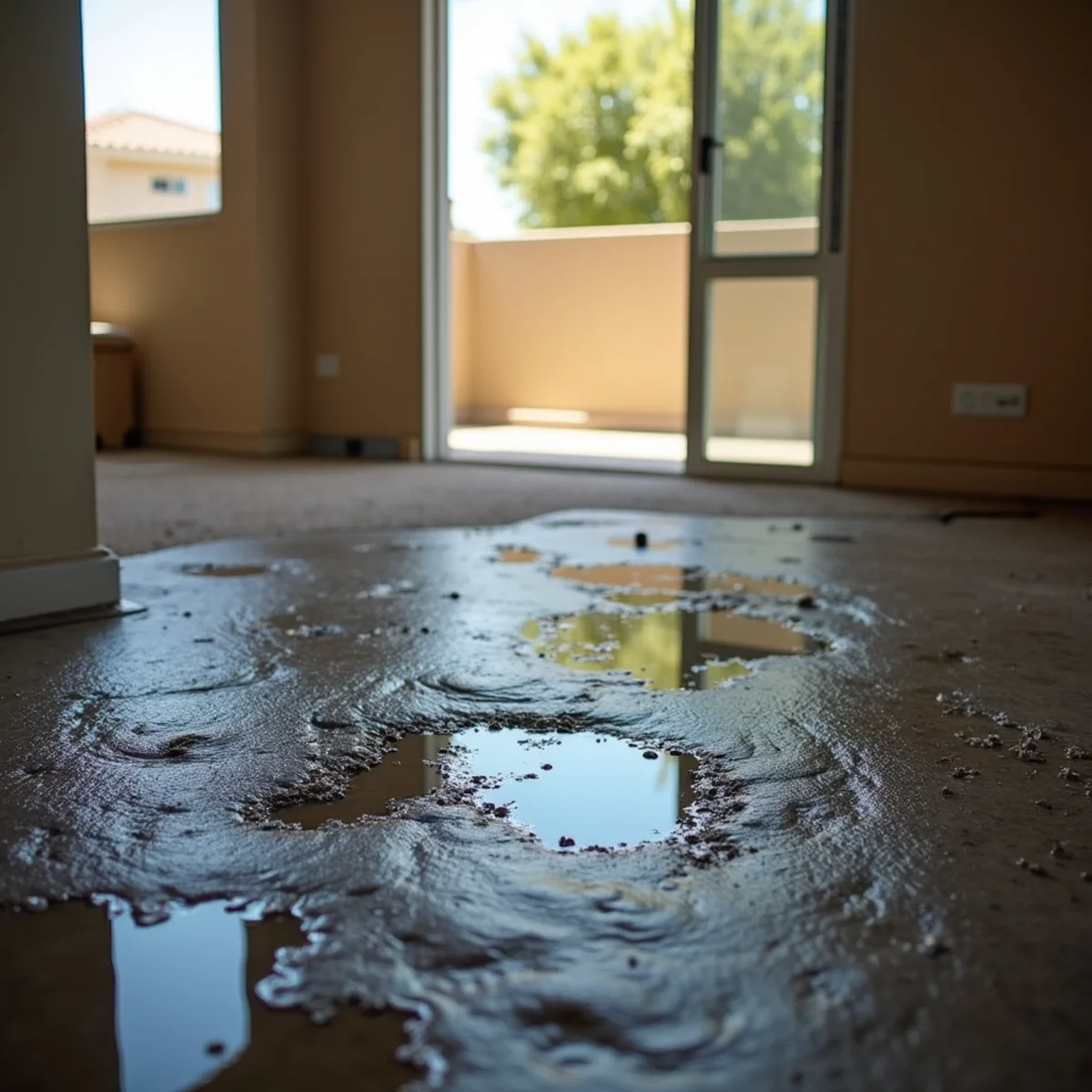
Photograph every affected room wide, then close on wet flooring, wet baseboards, and stained walls.

Photograph contents, especially anything valuable. Get model numbers and serial plates on appliances and electronics.

Note the date and time you discovered it. Write it down.
Step 2 — call for mitigation, then call your insurer
In that order. Extraction and drying are the loss-prevention your policy requires, and starting them promptly strengthens your position rather than weakening it.
When you do call the carrier, keep it factual: what happened, when you discovered it, what rooms are affected, and that mitigation is underway. Do not speculate about cause. "I think the pipe has been leaking for a while" is a sentence that can cost you a claim, and you genuinely do not know yet.
Step 3 — understand who the adjuster is
The adjuster assigned to you works for your insurance company. That does not make them adversarial — most are reasonable people applying a policy — but their job is to determine what the policy owes, not to advocate for you.
You are entitled to disagree with their scope, to provide your own documentation, and to have your restoration contractor discuss the scope with them directly. That last one matters more than most homeowners realize.
Step 4 — what to have ready for the inspection
- Your photos and video from before mitigation started
- The moisture map and daily drying logs from your restoration company
- A written mitigation scope
- A contents inventory of damaged items with approximate ages and values
- Any receipts already incurred, including hotel or meal costs if you were displaced
- The date and time you discovered the loss, and what you did in response
Be present for the inspection if you can. Walk through with the adjuster and point out affected areas — particularly ones that are no longer obvious because the water is gone.
Where Menifee homeowners most often lose money
Undocumented pre-cleanup condition
Covered above, and it remains the biggest one. Cleaning up before photographing is the most expensive helpful instinct there is.
Accepting a patch when a match does not exist
Your policy pays to return the property to pre-loss condition. If your flooring is discontinued — routine in a 1993 Menifee Lakes home — a mismatched patch is not pre-loss condition. Continuous-run replacement to a natural transition is frequently covered when a genuine match no longer exists, but you generally have to ask for it and document why.
Not claiming additional living expenses
If the home is uninhabitable, ALE covers hotel, meals above your normal spend, laundry, and pet boarding. Keep every receipt from day one. Homeowners routinely forget this coverage exists.
Undervaluing contents
Contents claims are habitually under-filed because building an inventory is tedious. Go room by room. Include the things that are easy to forget — clothing, linens, kitchenware, tools, garage storage, holiday decorations.
Missing the drying documentation
Carriers pay for documented drying and push back on undocumented drying. Daily moisture logs are what turn an equipment invoice into an approved line item — which is one reason we produce them on every job. More on that in structural drying and dehumidification.
If you disagree with the settlement
- Ask for the estimate in writing, itemized. You cannot dispute a number you cannot see broken down.
- Have your contractor review it. Missing line items are common — texture matching, paint to a natural break, insulation replacement, and antimicrobial treatment are the usual omissions.
- Submit a supplement with documentation for anything missed. This is normal and routine; it is not a fight.
- Request re-inspection if new damage surfaces once material is opened up, which happens often.
- Escalate to a supervisor, then to the California Department of Insurance, if you cannot resolve it. Public adjusters are an option on large losses, though they take a percentage.
Timeline expectations
California requires carriers to acknowledge a claim within a set period and to accept or deny within a defined window once they have what they need — which is a strong reason to give them complete documentation early rather than in pieces.
In practice: adjuster contact within a few days, inspection within a week or two, initial payment shortly after the scope is agreed. Supplements for anything discovered during reconstruction follow later. Mitigation should never wait for any of it.
We bill carriers directly on covered losses and deal with the adjuster on scope, which removes most of the friction. What you cannot outsource is the first hour with a phone camera — that part is yours, and it matters more than everything after it.
Public adjusters, contractor advocacy, and who is actually working for you
Several different people will offer to help with your claim, and their interests are not identical. It is worth being clear on who is who before you sign anything.
| Role | Who pays them | What they are for |
|---|---|---|
| Carrier adjuster | Your insurance company | Assessing the loss on behalf of the insurer. Professional and often helpful, but not your representative. |
| Independent adjuster | Your insurance company, via a third party | The same function, contracted out. Frequently the person who actually walks your house. |
| Restoration contractor | You, via the claim | Documenting the loss, performing the work, and filing supplements supported by readings and photographs. |
| Public adjuster | You, typically as a percentage of the settlement | Representing you in the claim itself. Can be worth it on large or disputed losses; rarely worth the percentage on routine ones. |
A restoration contractor documenting and supplementing a scope is doing something different from a public adjuster negotiating a settlement, and neither is a substitute for the other. On a typical Menifee residential water loss, good documentation from the contractor resolves most of what would otherwise become a dispute.
What a supplement is, and why you should expect one
The initial scope is written from what could be seen and measured at the first inspection. Water damage is, by its nature, partly hidden — that is the whole reason moisture meters exist. When drying reveals additional affected material, the additional scope is submitted as a supplement.
Supplements are ordinary. Roughly speaking, any job where a wall gets opened has a reasonable chance of producing one. What distinguishes a legitimate supplement from a padded invoice is entirely evidentiary: a dated moisture reading or photograph showing material that was not visible on day one, submitted to the carrier at the time rather than presented to you at the end.
- Ask, before work starts, who files supplements — the contractor or you
- Ask to be copied on anything submitted to your carrier
- Expect the scope to change if a wall is opened; be concerned only if it changes without documentation
- Keep every daily moisture log — they are the evidentiary basis for the whole claim
- If a supplement is denied, ask specifically what evidence would change the decision, and whether it can be re-submitted
Frequently asked questions
Will filing raise my premium?
It can, and multiple water claims in a short period particularly affect renewal terms. Weigh that against the cost of the repair. For losses well under your deductible it is often not worth filing — but get the property properly dried regardless.
Can I choose my own restoration company?
Yes. Carriers maintain preferred vendor programmes and will often recommend one, but in California you choose who works on your property. A preferred vendor works within the carrier's pricing structure, which is not always aligned with your interests.
What if the adjuster says it is gradual damage?
Ask for that determination in writing with the reasoning. Then provide counter-documentation: when you first noticed anything, what you did, and your contractor's assessment of the failure mode. Initial determinations are reversed more often than people expect when the documentation is good.
Should I hire a public adjuster?
On a large, complex or genuinely disputed loss it can be worth it. On a routine residential water claim that is properly documented, the percentage they take is usually more than the difference they make, because the thing that drives the settlement is the evidence rather than the negotiation. If you are considering one, the honest test is whether your current contractor is producing dated moisture logs and photographs — if they are not, that is the actual problem.
How long should the carrier take to respond?
California sets requirements for acknowledging and acting on claims, and your carrier is obliged to tell you what those are. In practice, acknowledgement is usually quick and the delay tends to sit in the adjuster inspection and in supplement review. If you are being left without a response, put the request in writing rather than by phone — a written record changes how these things move, and it gives you something to point at if you need to escalate.